United States
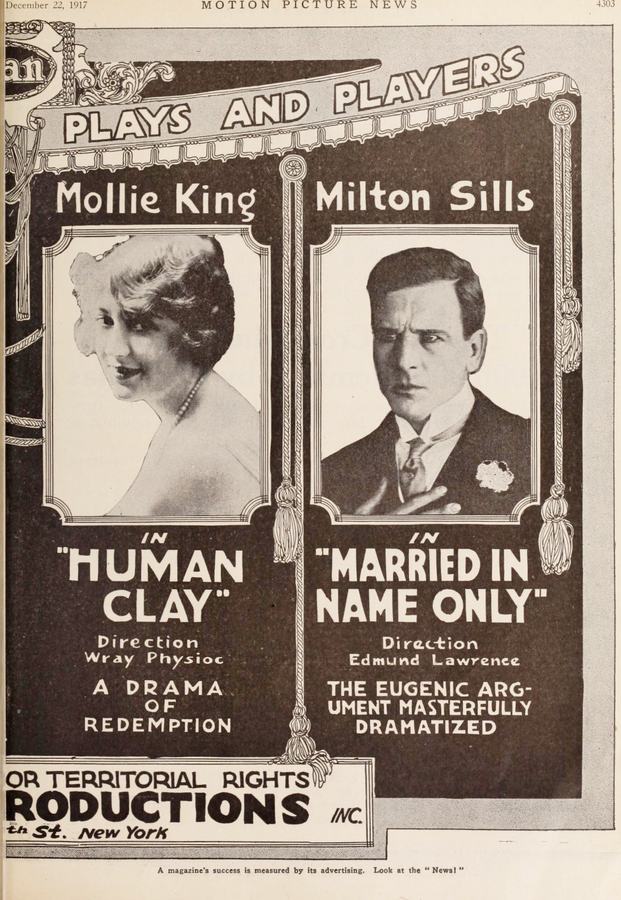
The first time we see Mollie King’s nameless sculptor press her thumb into the wet ochre, the screen holds so tight on the indentation that the surrounding clay seems to inhale. It is as though the film itself is learning to breathe. What follows is not a ghost story in any classical sense, but a slow transfusion of ...
publicity

Comparing the cinematic DNA and archive impact of two defining moments in cult history.
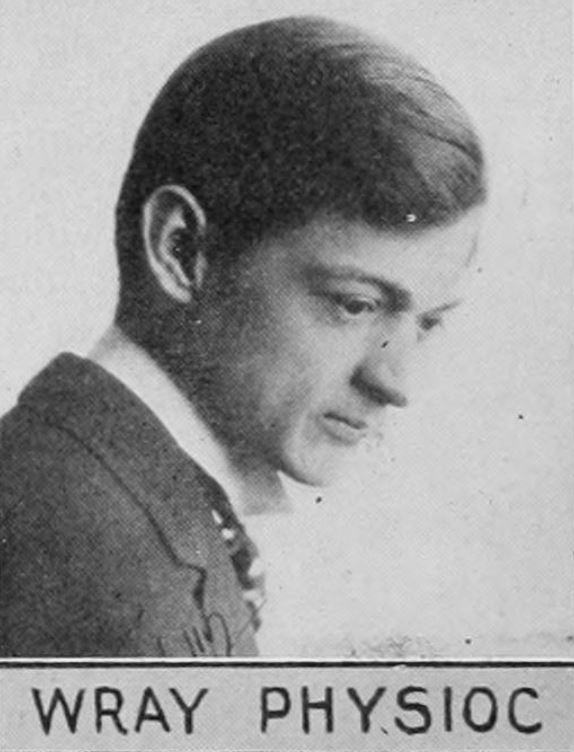
Wray Bartlett Physioc
Wray Bartlett Physioc
Community
Log in to comment.
" The first time we see Mollie King’s nameless sculptor press her thumb into the wet ochre, the screen holds so tight on the indentation that the surrounding clay seems to inhale. It is as though the film itself is learning to breathe. What follows is not a ghost story in any classical sense, but a slow transfusion of spirit into soil, a reverse autopsy where the corpse precedes the life. Director-writer Human Clay refuses the tidy taxonomy of folk horror or psychodrama, preferring instead the ..."
1916 · IMDb —
Wray Bartlett Physioc