DbcultAccessing Vault...
Cult Review
Senior Film Conservator
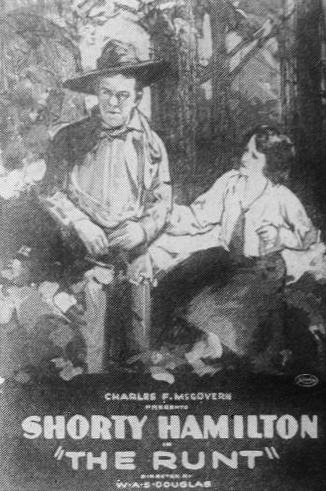
In the pantheon of early silent cinema, few figures possess the idiosyncratic magnetism of Shorty Hamilton. While the era was dominated by the rugged, towering silhouettes of stars who seemed carved from the very canyons they inhabited, Hamilton offered something radically different. In The Runt, released in 1919, we are presented with a subversion of the frontier icon. This is not a film about the conquest of the West through sheer brawn; it is a film about the survival of the clever, the swift, and the overlooked. The cinematic language employed here is remarkably sophisticated for its time, utilizing deep focus and wide-angle shots to emphasize the protagonist's diminutive frame against the overwhelming vastness of the horizon.
The narrative pulses with a rhythmic intensity that mirrors the galloping of hooves across the scrubland. Unlike the more traditional railroad dramas like Rule G, which focused on the mechanical progress of the nation, The Runt keeps its lens fixed on the human element—specifically the psychological toll of social marginalization. Hamilton’s performance is a masterclass in physical comedy blended with genuine pathos. He moves through the frame with a frantic grace, his every gesture a defiance of the gravity that seeks to pull him into the dirt.
Technically, the film is a marvel of its period. The cinematography captures the shimmering heat of the desert with a clarity that rivals the later works of the 1920s. There is an almost documentary-like quality to the way the camera observes the rituals of ranch life, a stark contrast to the heightened theatricality found in Kismet or the atmospheric dread of The Storm. The director understands that for the audience to believe in the 'runt,' the world around him must feel undeniably heavy and dangerous.
One cannot help but compare the tonal shifts in this film to Blue Streak McCoy. Where McCoy represents the high-octane energy of the traditional Western hero, the protagonist in The Runt operates with a quiet tenacity. There is a sequence involving a high-stakes confrontation in a dimly lit saloon that rivals the tension found in A Scream in Society, though here the stakes are not merely social standing, but physical survival. The use of shadow and light in these interior scenes creates a claustrophobic atmosphere that heightens the character's vulnerability.
What sets The Runt apart from contemporaries like Going Some is its refusal to turn the protagonist into a mere caricature for the sake of comedy. There is a dignity in Hamilton’s portrayal that anticipates the more complex character studies of the late silent era. We see echoes of this struggle for identity in The Great Redeemer, yet Hamilton’s journey feels more grounded, less tethered to the spiritual and more focused on the visceral reality of the flesh.
The film’s pacing is relentless. It avoids the episodic nature of The Road o' Strife, opting instead for a tight, linear progression that builds toward an explosive climax. The editing is sharp, cutting between the vast exteriors and the intimate reactions of the cast with a precision that keeps the viewer anchored in the emotional stakes. It lacks the whimsical nature of Tea for Two or the farcical energy of You Tell 'Em, Lions, I Roar, choosing instead a path of rugged sincerity.
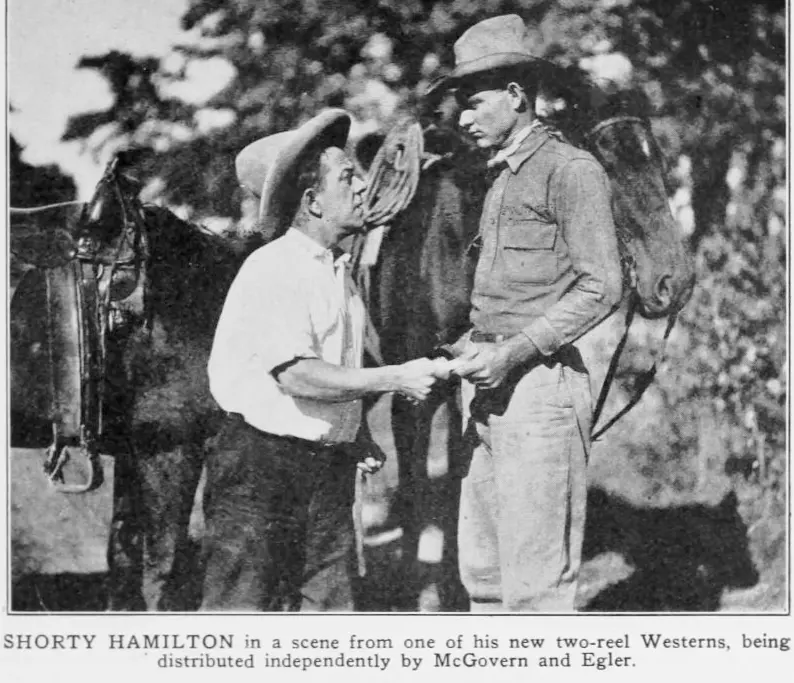
To watch The Runt today is to witness a cultural artifact that speaks to the anxieties of the post-WWI era. The 'little man' fighting against insurmountable odds was a resonant theme for a generation returning from the mechanized slaughter of the trenches. In many ways, the film shares a thematic DNA with The Primrose Path, exploring the consequences of choice and the weight of reputation. However, where Hawthorne of the U.S.A. looks outward with a sense of adventurous imperialism, The Runt looks inward, examining the internal fortitude required to stand tall in a world that only sees your height.
The interplay between the cast members provides a rich texture to the film. While Hamilton is the undeniable center of gravity, the supporting players provide the necessary friction to make his journey meaningful. The antagonists are not mere cardboard cutouts; they represent the systemic bullying of the era, the 'might makes right' philosophy that the film ultimately seeks to dismantle.
When placing this work alongside Coral, one notices a distinct difference in the treatment of the environment. In Coral, the setting is often an extension of the character’s internal state, whereas in The Runt, the landscape is an indifferent adversary. This provides a harsher, more cynical edge to the film that feels surprisingly modern. Even the international flavor of The Call of the East or the gothic undertones of Il castello dei Gufi cannot match the raw, sun-baked honesty of Hamilton’s Western.
The dialogue cards are sparse, allowing the visual storytelling to carry the weight of the narrative. This is pure cinema—a sequence of images that communicate complex emotional truths without the need for linguistic crutches. The way Hamilton interacts with his horse, for instance, tells us more about his character’s capacity for empathy and partnership than a thousand lines of dialogue ever could. It is a relationship built on mutual respect between two beings often undervalued by the world at large.
In the final analysis, The Runt is a triumph of character over circumstance. It stands as a testament to the power of the silent screen to convey the most fundamental of human struggles. Shorty Hamilton may have been small in stature, but his presence on screen is gargantuan. The film remains a vital piece of cinematic history, a reminder that the most compelling stories are often found in the smallest of packages. It challenges the viewer to look beyond the surface, to find the hero in the periphery, and to recognize that true strength is not found in the size of the man, but in the size of his resolve. This is a work of enduring relevance, a dusty, beautiful relic that still manages to shine with a fierce, uncompromising light.
The legacy of this film continues to ripple through the genre, influencing the way we perceive the 'everyman' in peril. It is a cornerstone of the silent Western, deserving of the same scholarly attention afforded to the works of Ford or Griffith. By centering the narrative on a figure who would typically be relegated to comic relief, the filmmakers achieved something truly revolutionary: they gave the underdog a voice that resonates long after the final frame has flickered out into darkness.

IMDb 6.3
1935
Community
Log in to comment.