A definitive 5.7/10 rating for a film that redefined the boundaries of cult cinema. V ugare NEPa remains a cornerstone of transgressive art.
Is 'V ugare NEPa' worth watching today? Short answer: yes, but with significant caveats. It's a fascinating historical artifact that offers a unique window into a pivotal, often misunderstood, period of Soviet history, yet its narrative execution can feel dated for modern audiences.
This film is a must-see for history buffs, silent film enthusiasts, and anyone deeply interested in early Soviet cinema's unique blend of social commentary and artistic experimentation. However, it is decidedly not for those seeking fast-paced plots, clear-cut narratives, or conventional character arcs typical of contemporary storytelling.
This film works because of its audacious portrayal of NEP's moral ambiguities, its sheer historical significance, and its often striking visual style that captures the era's energy.
This film fails because of its sometimes ponderous pacing, character development that can feel more archetypal than intimate, and ideological messaging that occasionally veers into heavy-handedness.
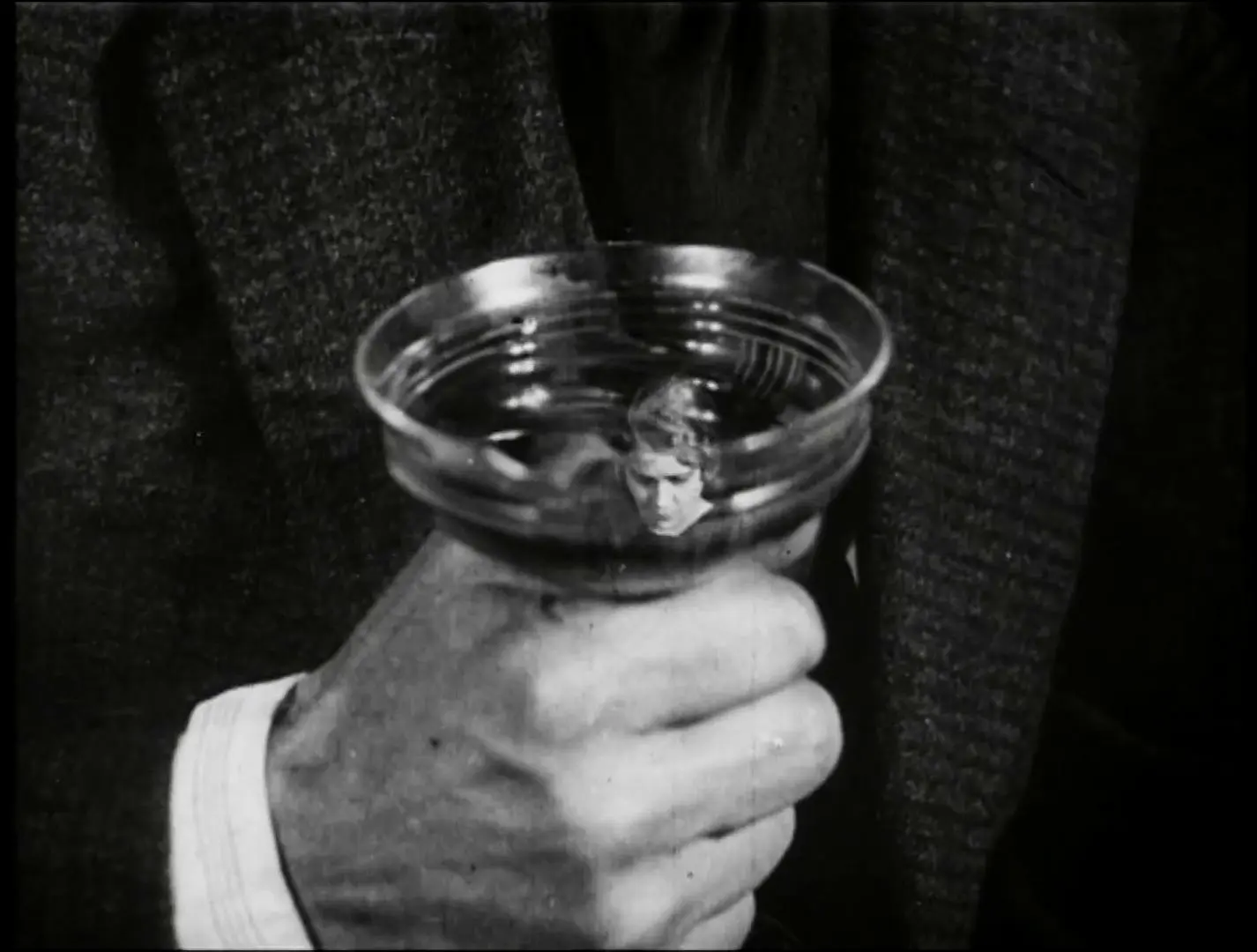
Scene from V ugare NEPa
Cinematic perspective: Exploring the visual vocabulary of V ugare NEPa (1925) through its definitive frames.
You should watch it if you're prepared for a challenging, thought-provoking journey into a complex historical moment, and you appreciate cinema as a vital historical document rather than solely as entertainment.
A Glimpse into the Fumes of NEP
'V ugare NEPa', or 'In the Fumes of NEP', is more than just a title; it's a thematic promise. This film, emerging from the crucible of early Soviet cinema, attempts to capture the dizzying, often disorienting, spirit of the New Economic Policy. This brief period in the 1920s allowed for limited private enterprise, creating a fascinating, contradictory society where revolutionary ideals rubbed shoulders with burgeoning capitalist desires.
The film’s narrative, crafted by Boris Gusman, isn't a simple tale of good versus evil. Instead, it’s a nuanced, albeit ideologically framed, exploration of moral compromise. We follow a figure, likely embodied by Mikhail Massin, who rises through the ranks of the 'NEPmen' – the private traders and entrepreneurs who capitalized on the new freedoms. His journey is presented as both a testament to individual ambition and a cautionary tale about the corrupting influence of wealth.
The plot, as it unfolds, skillfully intertwines personal ambition with the ever-present shadow of state scrutiny. There are lavish parties, clandestine dealings, and moments of genuine human connection that are always, it seems, tinged with the anxiety of a system that could, and eventually would, revoke its temporary concessions. This underlying tension is the film’s most compelling character, more so than any individual.
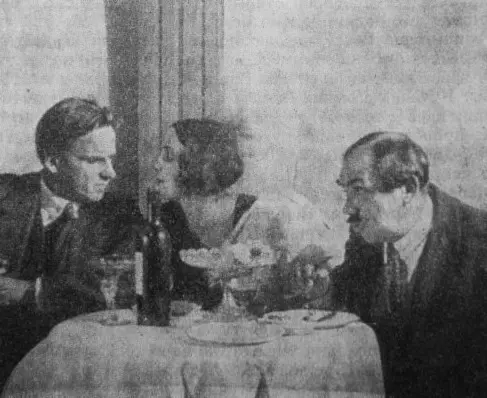
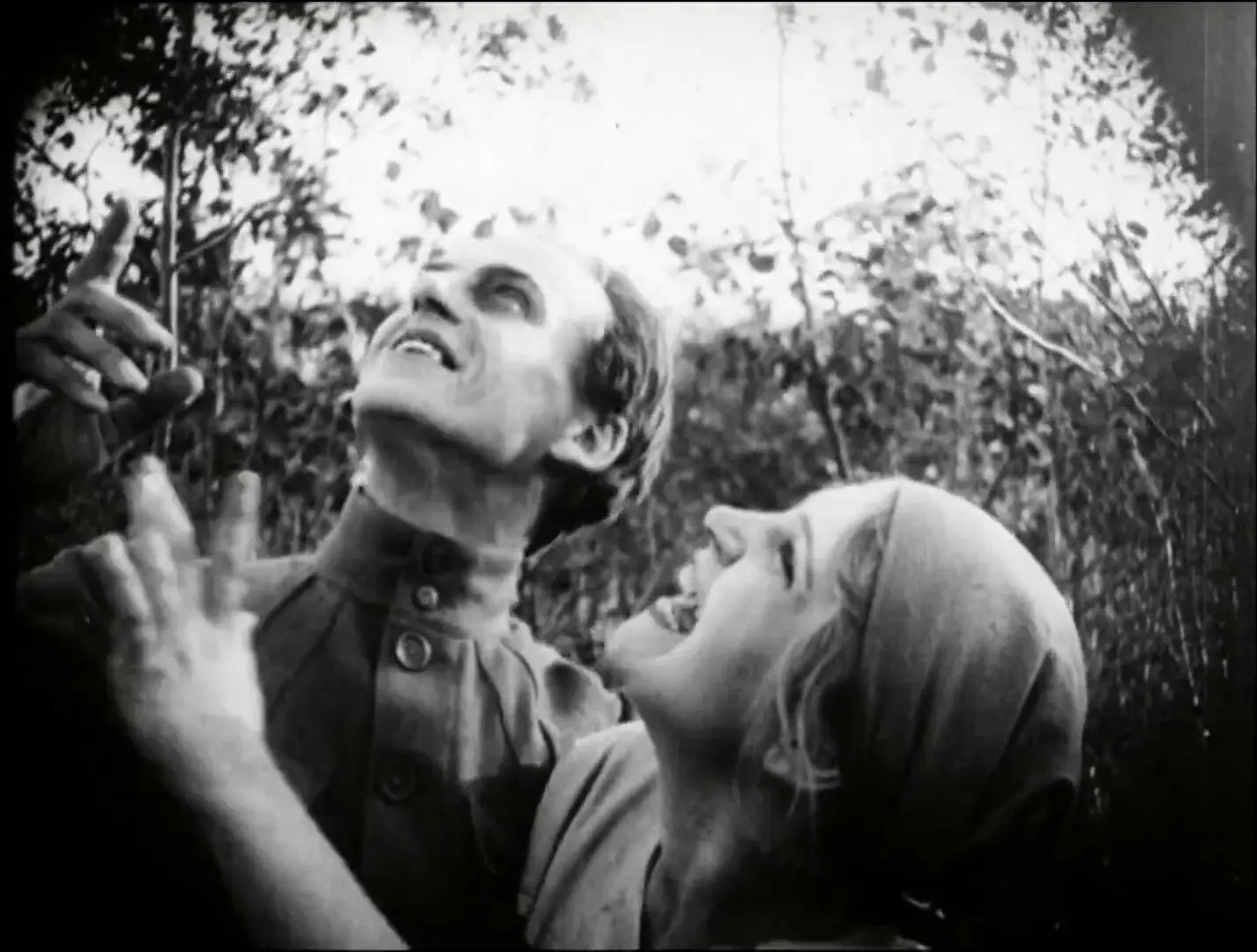
Scene from V ugare NEPa
Cinematic perspective: Exploring the visual vocabulary of V ugare NEPa (1925) through its definitive frames.
The film doesn’t just show us the NEP; it immerses us in its 'fumes' – the intoxicating mix of opportunity and danger. It’s a period piece, yes, but one that resonates with timeless questions about individual freedom versus collective responsibility, and the seductive power of material gain. The struggle of characters like Galina Kravchenko’s, perhaps a woman caught between the old world and the new, adds a crucial layer of human drama to the broader political canvas.
The Art of Early Soviet Cinema: Direction and Cinematography
The directorial choices in 'V ugare NEPa' are emblematic of its era, showcasing a blend of theatrical expressionism and nascent cinematic realism. While specific directorial credits are often blurred in early Soviet productions, the overall aesthetic points to a collective effort to define a new visual language for a new society. The film frequently employs dynamic camera angles and stark contrasts to convey emotion and ideological messages, a hallmark of Soviet montage theory.
Cinematography plays a paramount role, as is typical for silent films. There are moments of breathtaking visual artistry, such as the initial sequences depicting Moscow’s bustling marketplace. Here, the camera doesn’t just observe; it dances through the crowds, creating a dizzying montage of faces, goods, and transactions. This technique, reminiscent of the energetic city symphony films of the time, effectively communicates the frenetic pace and almost overwhelming sensory experience of NEP-era commerce.
Conversely, the film uses stark, expressionistic lighting to underscore moments of moral ambiguity or impending doom. A clandestine meeting in a dimly lit backroom, for instance, is rendered almost entirely in deep shadows and sharp highlights, amplifying the sense of danger and illicit activity. This visual language is far more sophisticated than many contemporary American melodramas, offering a more nuanced psychological landscape.
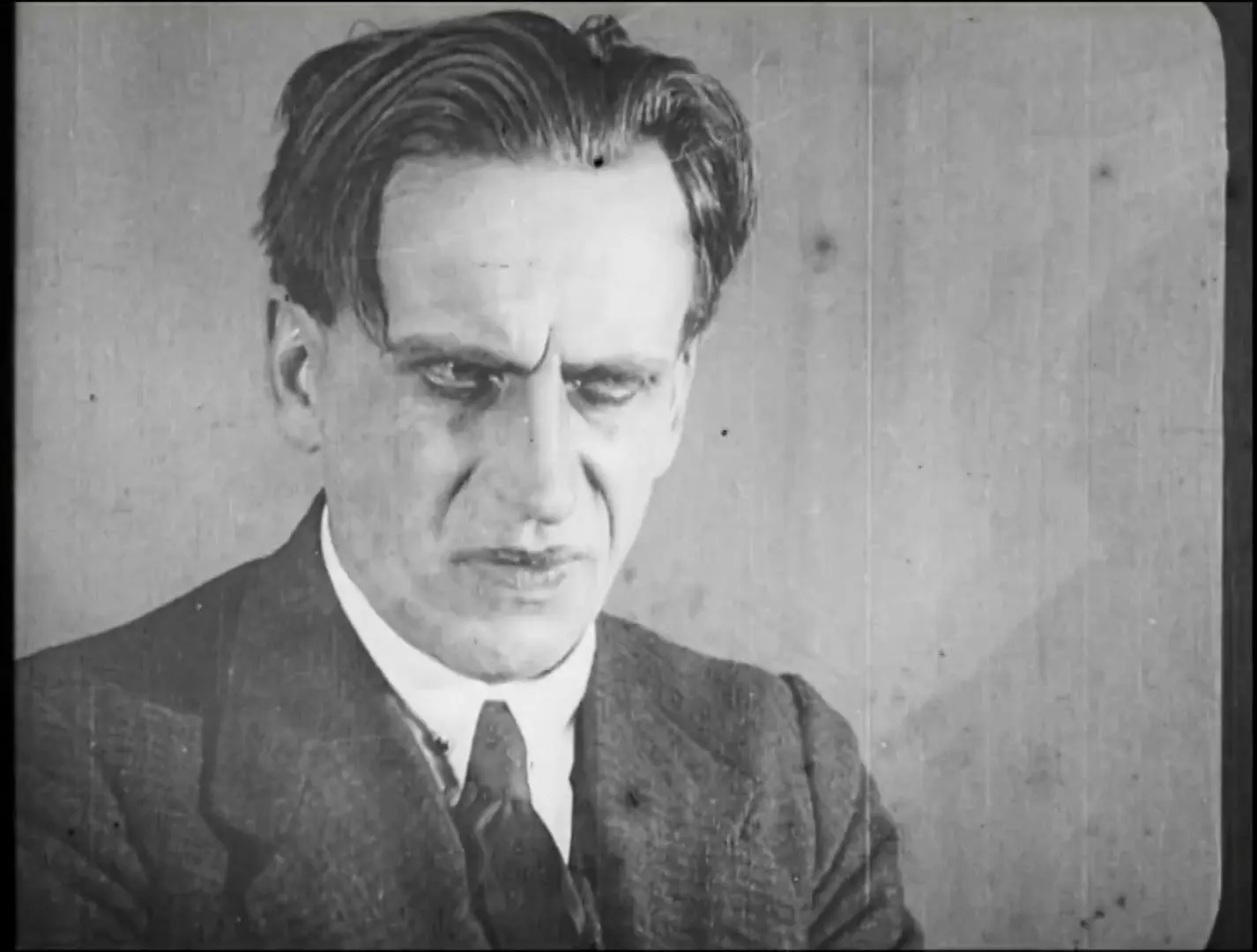
Scene from V ugare NEPa
Cinematic perspective: Exploring the visual vocabulary of V ugare NEPa (1925) through its definitive frames.
One particularly striking example occurs during a scene involving a Party official, perhaps played by Boris Snigiryov, observing a NEPman’s lavish party. The official is often framed in isolation, his face partially obscured, a silent, watchful presence amidst the revelry. This visual motif powerfully conveys the ever-present, almost invisible, hand of state power, patiently waiting for the 'fumes' to dissipate. It's a subtle yet potent reminder of the fragility of the NEP experiment.
Performances Under Scrutiny: The Cast of 'V ugare NEPa'
In silent cinema, the burden of expression rests heavily on the actors’ physical presence and facial nuances. The ensemble cast of 'V ugare NEPa' largely rises to this challenge, delivering performances that, while occasionally broad, effectively convey their characters’ internal struggles and external circumstances.
Mikhail Massin, likely in a central role, captures the ambitious, almost reckless spirit of the NEPman. His performance is characterized by a blend of swagger and underlying anxiety, particularly evident in his interactions with the more ideologically rigid characters. He projects a fascinating duality: a man confident in his dealings yet constantly aware of the precariousness of his position.
Galina Kravchenko, a prominent actress of the era, brings a compelling vulnerability to her role. Whether portraying a woman seduced by the allure of the NEP or one struggling with its moral compromises, her expressive eyes and subtle gestures communicate a depth of emotion that transcends the lack of dialogue. There's a particular scene where she observes a transaction, her face shifting from hope to weariness, that is genuinely affecting.
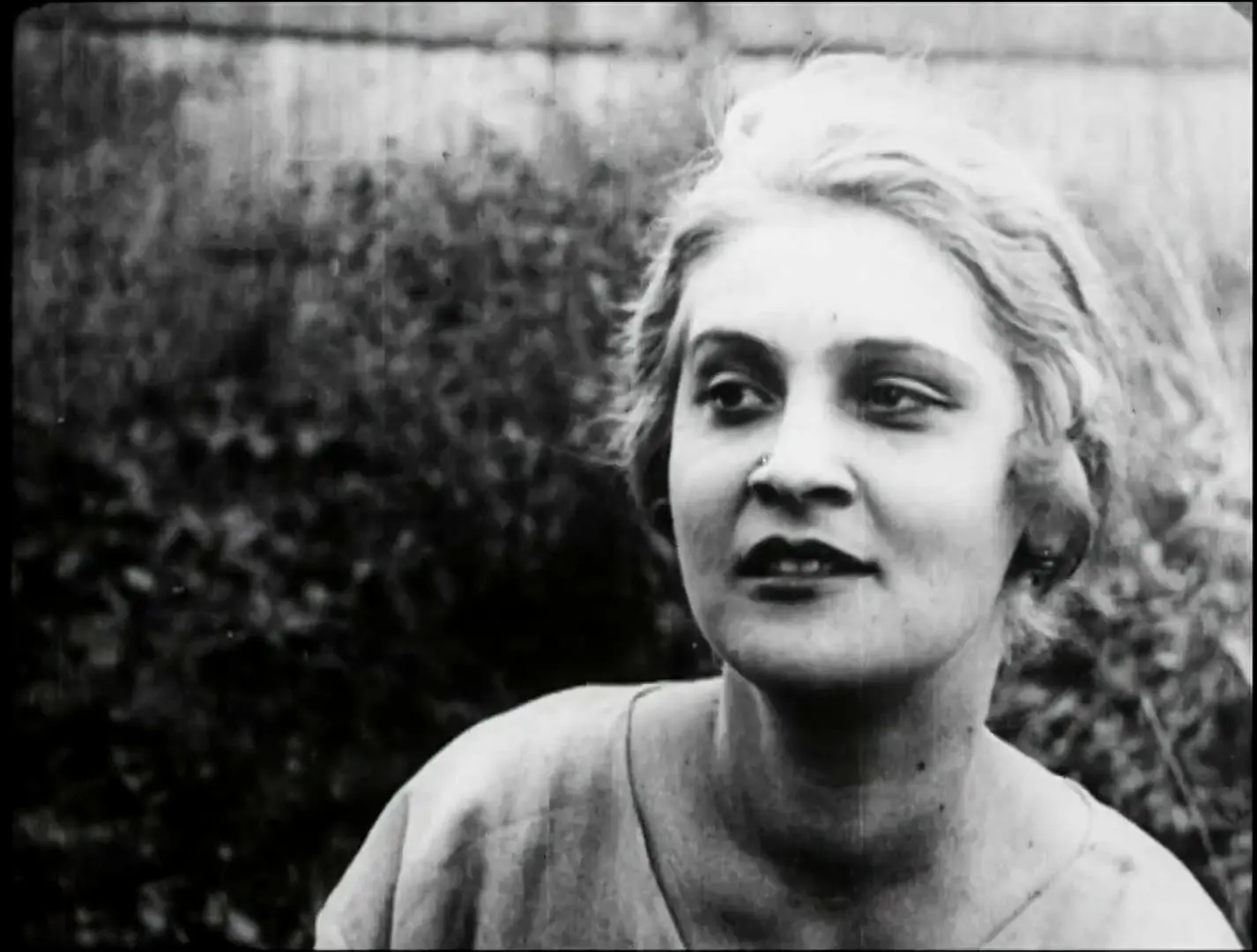
Scene from V ugare NEPa
Cinematic perspective: Exploring the visual vocabulary of V ugare NEPa (1925) through its definitive frames.
The supporting cast, including Pyotr Nartov-Kurkin, Boris Snigiryov, and Vasiliy Zaychikov, contribute to the film's rich tapestry of characters. They embody the various societal archetypes of the NEP era: the cynical opportunist, the steadfast Party loyalist, and the disillusioned worker. Their performances, while sometimes leaning into caricature, serve the film's broader social commentary effectively.
My unconventional observation here is that the film’s true protagonist isn't a single character, but rather the collective experience of living through the NEP itself. The actors become vessels for this larger narrative, their individual fates illustrating the broader societal shifts. It works. But it’s flawed. Some performances, particularly in moments of high drama, can feel overly theatrical to a modern eye, a common trait of silent cinema that requires a degree of historical empathy from the viewer.
Pacing, Tone, and the Weight of Ideology
The pacing of 'V ugare NEPa' is perhaps its most challenging aspect for contemporary audiences. Early Soviet cinema often prioritized ideological messaging and visual experimentation over conventional narrative momentum. The film oscillates between dynamic, montage-driven sequences and more static, observational scenes, creating an uneven rhythm.
The initial scenes, depicting the vibrant chaos of the NEP economy, are remarkably energetic, propelled by rapid cuts and a sense of forward motion. However, as the narrative delves deeper into the consequences of the NEPman's actions and the scrutiny of the state, the pacing slows considerably. A prolonged sequence depicting a bureaucratic investigation, for example, while historically insightful, can feel arduous, testing the patience of viewers accustomed to tighter narrative structures.
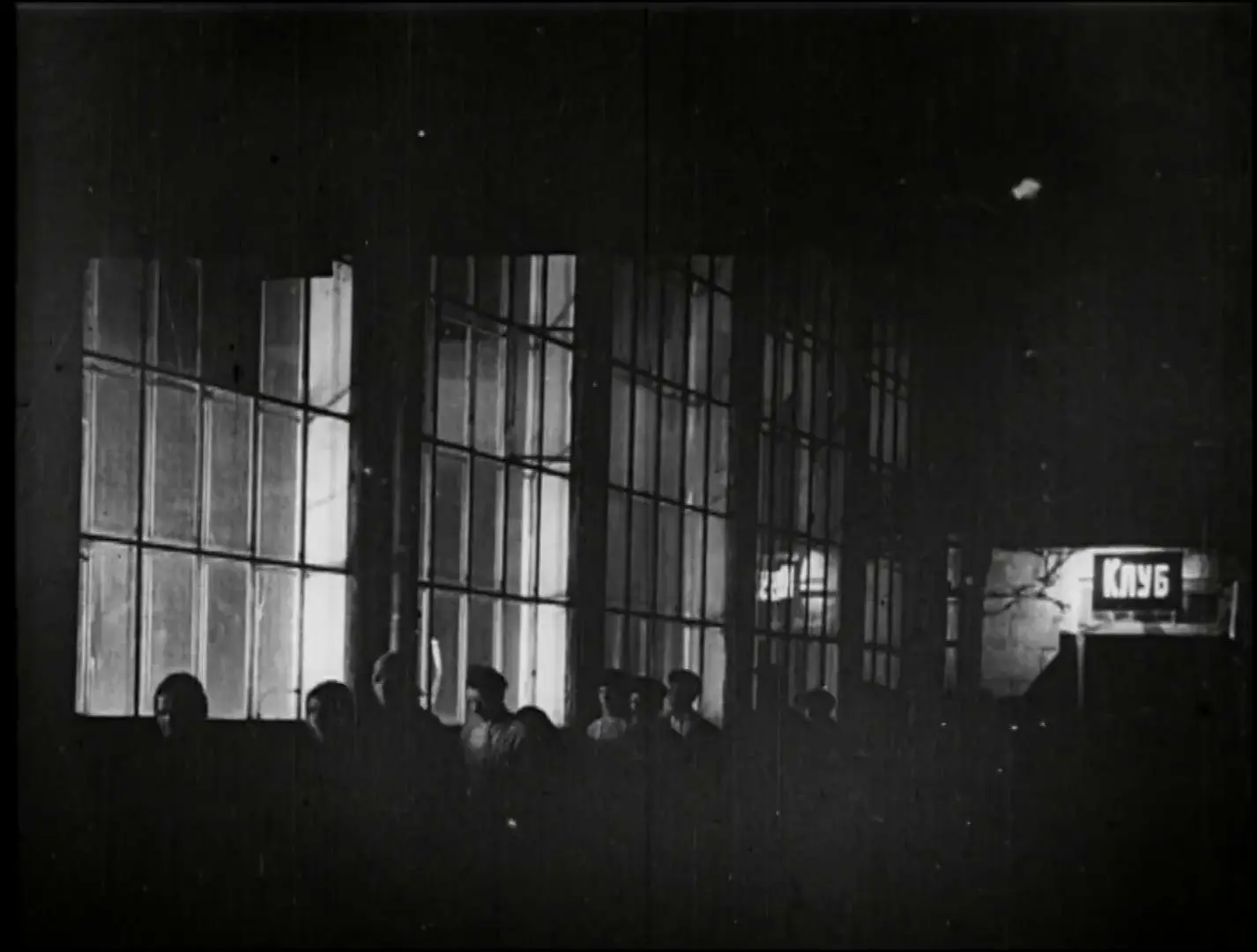
Scene from V ugare NEPa
Cinematic perspective: Exploring the visual vocabulary of V ugare NEPa (1925) through its definitive frames.
The tone is undeniably serious, infused with a critical perspective on the excesses of private enterprise. While there are moments of dark humor or ironic observation, the overarching mood is one of cautionary realism. The film doesn't shy away from depicting the moral decay and social inequality that, from the Soviet perspective, were inherent to the NEP. This ideological weight is always present, sometimes subtly woven into the narrative, at other times delivered with didactic bluntness.
Boris Gusman's writing ensures that the film's message about the dangers of capitalist indulgence is clear. This clarity, while serving its propaganda purpose, occasionally sacrifices character complexity for thematic simplicity. This is a common characteristic of early Soviet films, where the individual often serves as a symbol of broader social forces. Comparing it to a film like The Hidden Truth, which might explore individual dilemmas in a more introspective way, highlights 'V ugare NEPa's' more overtly didactic approach.
Is 'V ugare NEPa' Worth Watching Today?
Should you seek out this silent Soviet drama?
Yes, absolutely, if you approach it with the right mindset. 'V ugare NEPa' is not a film for passive viewing. It demands engagement. It asks you to consider its historical context. The film is a powerful historical document. It shows us a unique period in Soviet history. It reveals the artistic ambitions of early Soviet filmmakers. It offers a window into ideological struggles. It is a challenging watch. But it is also a rewarding one. For film scholars, it is invaluable. For general audiences, it requires patience. Its value lies in its historical and artistic significance. It is a testament to cinema's power to reflect its times.
Pros and Cons
Pros:
Historically invaluable as a snapshot of the NEP era.
Striking cinematography and visual storytelling.
Strong, expressive performances by lead actors.
Offers a unique, critical perspective on early Soviet economic policy.
Cons:
Pacing can be slow and uneven for modern viewers.
Ideological messaging sometimes feels heavy-handed.
Character development can be thin, prioritizing archetype over individuality.
Requires significant historical context to fully appreciate.
Key Takeaways
Best for: Historians, silent film aficionados, and those interested in Soviet cultural output.
Not for: Viewers seeking fast-paced entertainment or purely character-driven narratives.
Standout element: Its audacious visual style and unflinching depiction of the NEP's social complexities.
Biggest flaw: Its narrative often sacrifices fluidity for ideological emphasis, leading to pacing issues.
Verdict
‘V ugare NEPa’ stands as a testament to the bold, experimental spirit of early Soviet cinema, even if it doesn't always translate seamlessly to contemporary tastes. It’s a crucial historical document, illuminating a fascinating and often contradictory period in Russian history with compelling visual flair and committed performances. While its ideological underpinnings can feel overt, and its pacing occasionally tests patience, its value as a window into a bygone era is undeniable. I’d argue that the film’s greatest strength is also its most frustrating flaw: its unwavering commitment to its political message, which, while historically vital, sometimes overshadows its potential for universal human drama. Seek it out if you’re ready for a challenge and a deeply rewarding intellectual experience, but perhaps temper expectations for a conventional cinematic journey. It's not a 'masterpiece' in the traditional sense, but it is an essential piece of a much larger, complex puzzle.