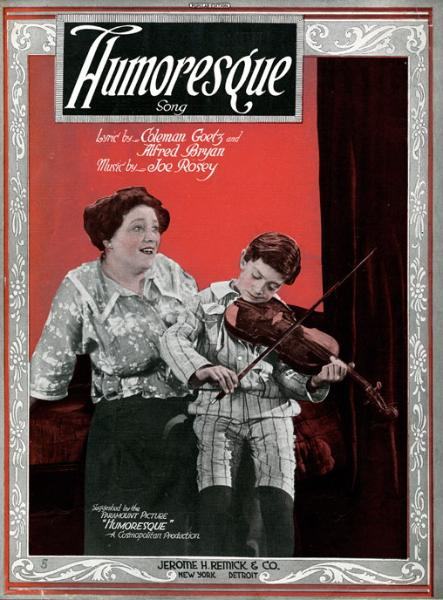
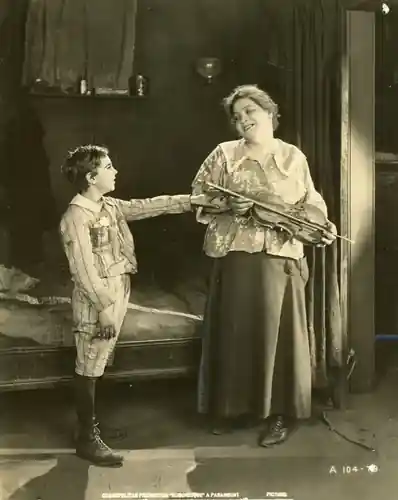
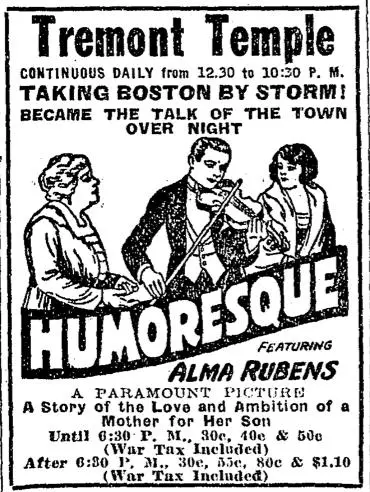
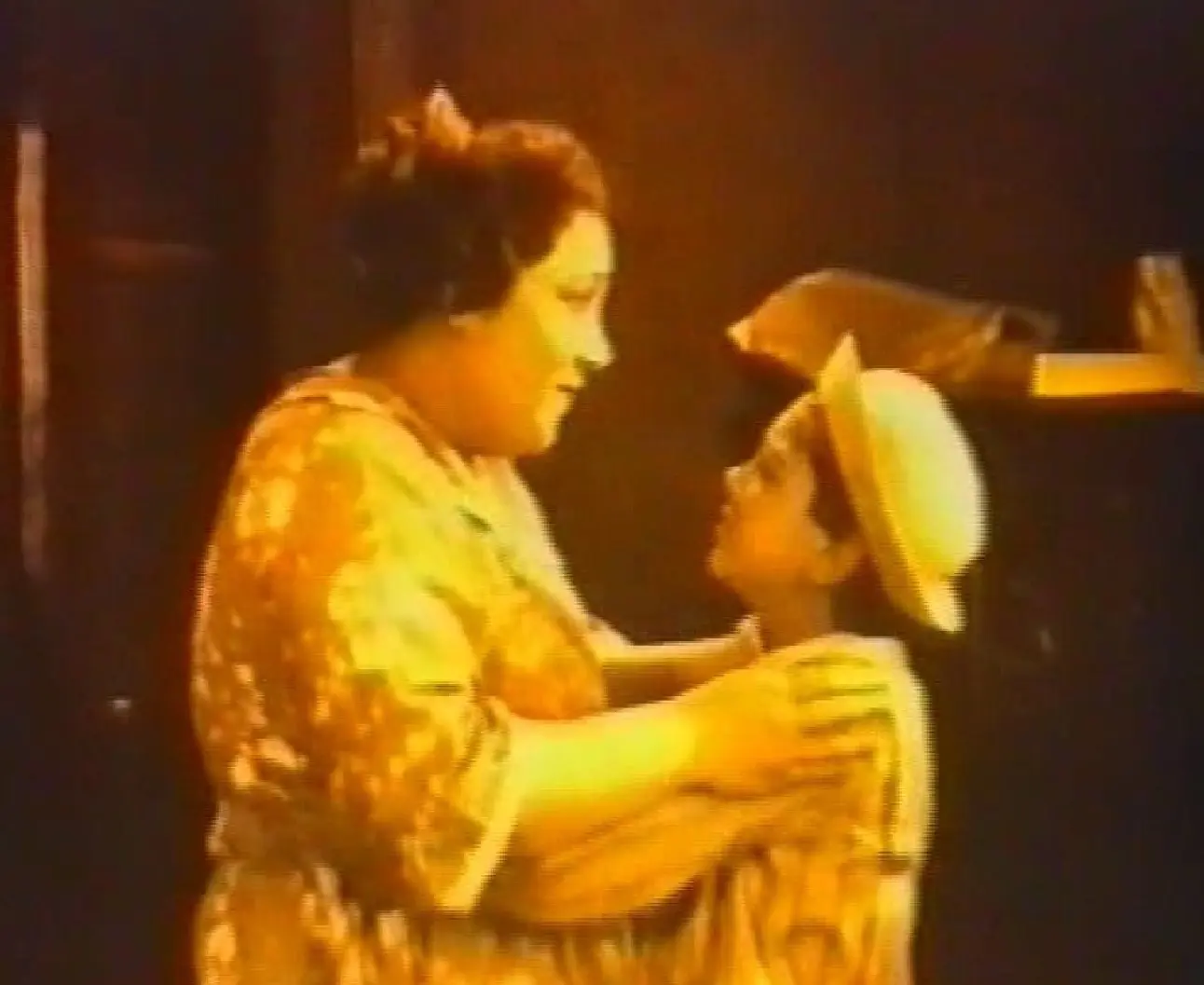
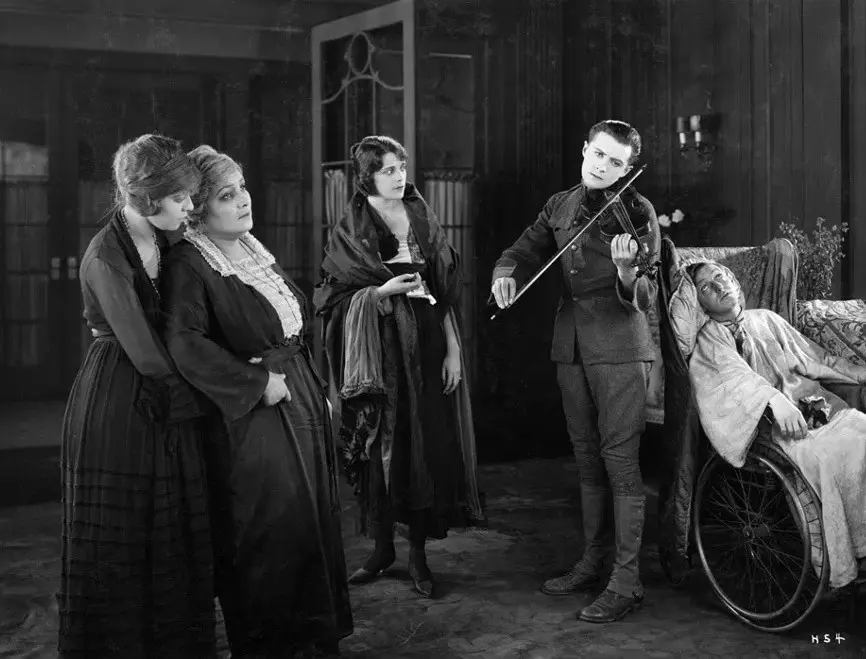
The matriarch of a poor Jewish family nurtures her talented son's dream of being a great violinist, but as an adult, global events call for him to postpone his dream..
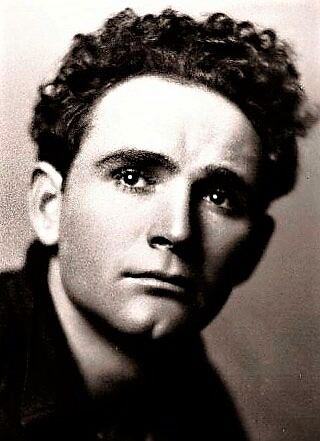
Fannie Hurst, William LeBaron, Frances Marion
United States
The year 1920 marked a watershed moment in the grammar of silent cinema, and few films articulated the burgeoning language of urban melodrama with as much soul-stirring resonance as Humoresque. Adapted from the Fannie Hurst short story, this film isn't merely a celluloid artifact; it is a vibrating, breathing documen...
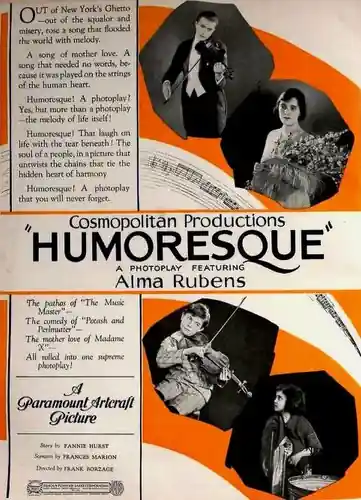
production_art
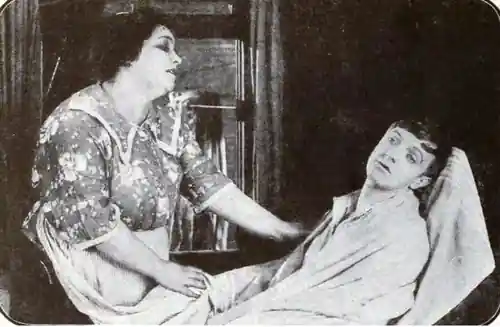
still_frame
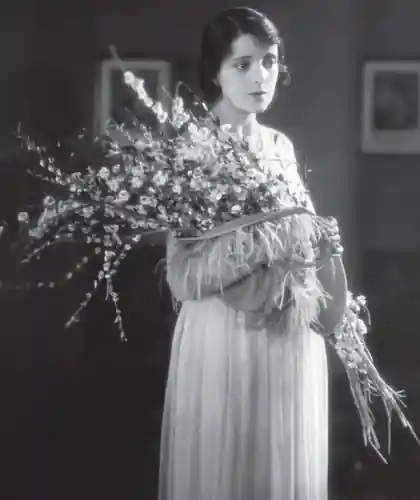
still_frame
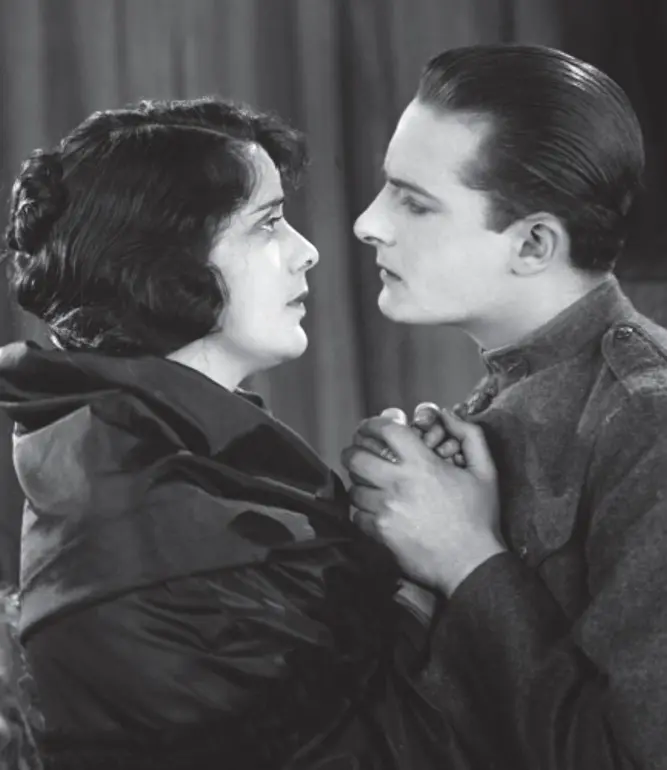
still_frame
still_frame
production_art
still_frame
still_frame
Comparing the cinematic DNA and archive impact of two defining moments in cult history.
Frank Borzage
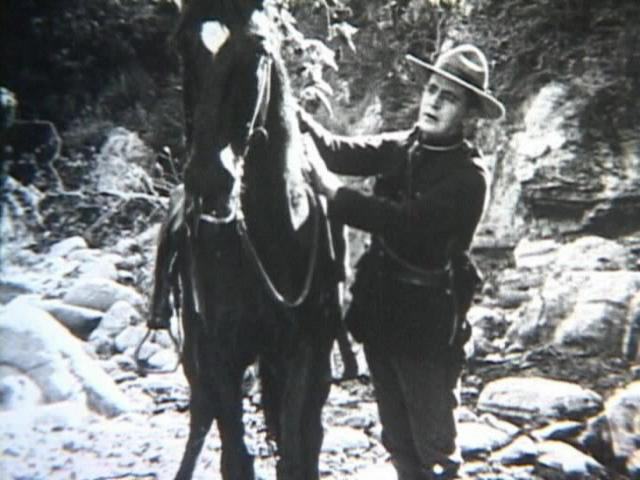
Frank Borzage
Community
Log in to comment.
" The year 1920 marked a watershed moment in the grammar of silent cinema, and few films articulated the burgeoning language of urban melodrama with as much soul-stirring resonance as Humoresque. Adapted from the Fannie Hurst short story, this film isn't merely a celluloid artifact; it is a vibrating, breathing document of the Jewish-American experience. Under the collaborative pen of Fannie Hurst, William LeBaron, and Frances Marion, the screenplay transcends the parochial limitations of the 'i..."