DbcultAccessing Vault...
7.2/10
Senior Film Conservator
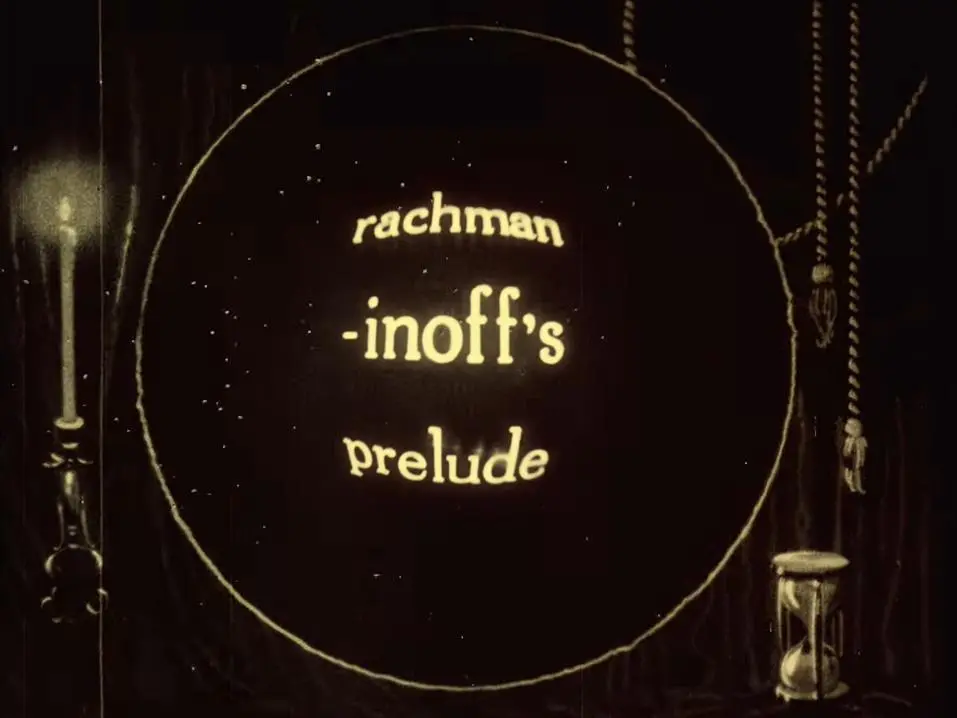
A definitive 7.2/10 rating for a film that redefined the boundaries of cult cinema. Prelude remains a cornerstone of transgressive art.
Is Castleton Knight’s 1927 short film Prelude worth your time today? Short answer: Yes, but only if you are prepared for a sensory assault that prioritizes mood over traditional narrative logic. This isn't a film for those seeking the popcorn thrills of modern jump-scare cinema; it is a film for the gothic purist and the student of psychological horror.
It works because it understands that the most effective horror happens in the gaps between what we see and what we hear. It fails for those who require a clear, linear progression or a traditional protagonist-antagonist dynamic. If you have ever felt a piece of music crawl under your skin and stay there, this film was made for you.
Before we dive into the murky depths of Knight’s direction, let’s establish the three pillars of this experience:
Castleton Knight was not a director known for subtlety, and in Prelude, he treats the camera like a weapon. The film is built entirely around the 'Prelude in C-sharp minor,' a piece of music so famous for its funereal weight that it was often referred to as 'The Bells of Moscow.' Knight takes this auditory weight and gives it mass. The film isn't just an accompaniment to the music; it is an interpretation of the music's soul.
The way the shadows move across the protagonist's face during the opening scenes is a masterclass in 1920s lighting. Unlike the broader, more theatrical lighting seen in Les Misérables, Part 1: Jean Valjean, Knight keeps the frame tight and oppressive. He uses the high-contrast chiaroscuro style to suggest that the darkness isn't just in the room—it’s in the man’s mind. When the transition to the dream state occurs, it isn't through a flashy special effect, but through a shift in the protagonist's gaze. It’s unsettling. It’s effective.
Knight’s direction here feels surprisingly modern in its focus on texture. You can almost feel the grit of the soil as it hits the coffin lid. There is a specific shot where the camera is positioned from within the grave, looking up at the mourners. This 'worm’s eye view' was revolutionary for its time and creates an immediate, visceral connection to the victim’s plight. It’s a trick that would be reused in horror for decades to come, but here it feels raw and unpolished.
The pacing is dictated by the music. When the Rachmaninoff piece accelerates, the editing follows suit. The cuts become shorter, the close-ups become more frantic. This rhythmic editing is something you see in more action-oriented silent films like Murphy of Anzac, but applying it to a psychological nightmare gives it a different kind of energy. It’s a frantic, breathless energy that mimics the panic of a man realizing his air is running out.
Yes. Prelude is worth watching because it represents a bridge between the literary gothic horror of the 19th century and the cinematic psychological horror of the 20th century. It is a brief, intense experience that lingers long after the final frame.
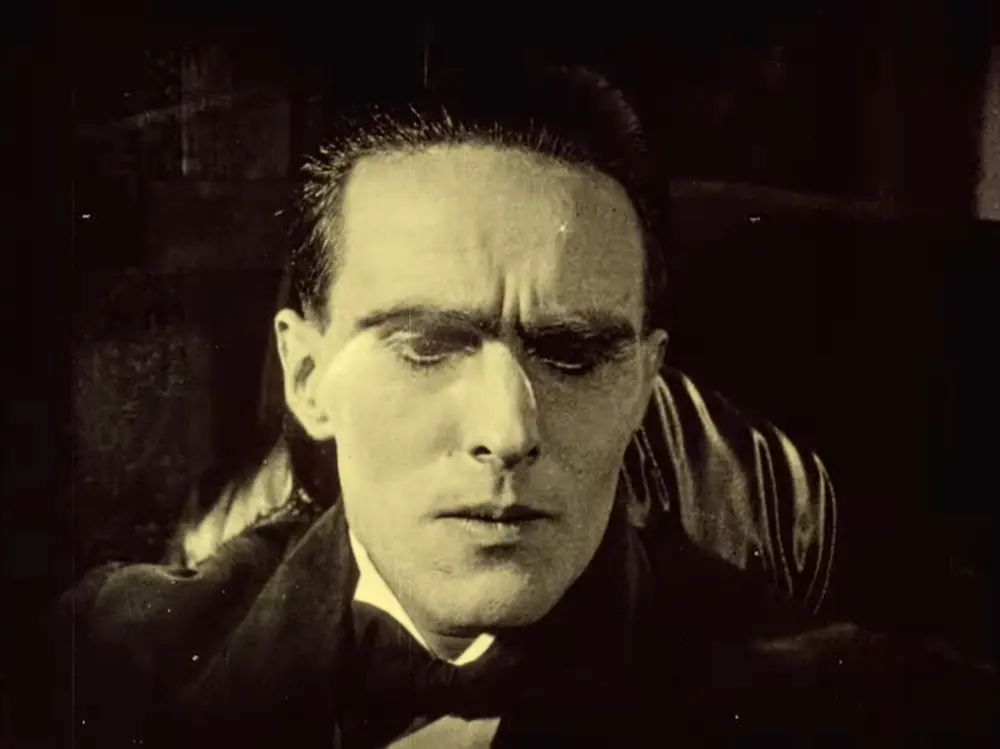
For those who enjoy the historical curiosity of silent cinema, it provides a fascinating look at how early filmmakers grappled with the concept of the 'unreliable narrator.' The protagonist isn't being buried alive by a villain; he is being buried by his own imagination. This internal focus sets it apart from more traditional dramas of the era like The Scarlet Road.
While Castleton Knight is the architect, Edgar Allan Poe is the ghost in the machine. The film doesn't just adapt Poe's 'The Premature Burial'; it inhabits its philosophy. Poe was obsessed with the idea of the 'imp of the perverse'—the self-destructive urge that leads one to their own doom. In Prelude, the music is that imp. It lures the man into a state where his fears can take physical form. This is a much darker take on the human condition than what you’ll find in contemporary films like Dodging a Million, which deals with more mundane anxieties.
The cinematography in Prelude is remarkably disciplined. There are no wasted shots. Every frame is designed to reinforce the theme of enclosure. Even the outdoor shots feel boxed in, thanks to the heavy vignetting and the choice of narrow lenses. This creates a sense of dread that is almost tactile. The tone is unrelenting. There is no comic relief, no subplot, no distraction. It is a singular, focused descent into madness.
Compare this to Her Temporary Husband, which uses the camera to create space and light for comedic timing. Knight does the opposite. He uses the camera to steal space. He uses the frame to suffocate. It’s a brutal approach to filmmaking that feels more akin to the German Expressionism of the time than the standard British or American output of 1927.
There is a moment in the film where the protagonist’s fingers claw at the lid of the coffin. It is a simple shot, but Knight lingers on it just a second too long. In that second, the film stops being a 'dream' and starts being a reality for the viewer. This is where the film succeeds most. It forces you to inhabit the box. It doesn't matter that it's a dream; the fear is real. The dirt is real. The silence is real.
In the landscape of 1927, where films like The Exiles were exploring social themes, Prelude was exploring the dark corners of the human brain. It was a risky move, but one that paid off in terms of artistic legacy. It’s a film that doesn't care if you like it. It only cares if you feel it.
Prelude is a cold, sharp needle of a film. It is a short, sharp shock to the system that proves you don't need a massive budget or a complex script to terrify an audience. You just need a universal fear and the right rhythm to exploit it. It works. But it’s flawed. Its flaw is its brevity, which leaves you wanting more of the nightmare, even as you’re relieved to wake up. It is a relic that still has teeth. Watch it in the dark, and let the music bury you.
"Castleton Knight doesn't just direct a scene; he traps the viewer inside it. Prelude is a claustrophobic masterpiece that turns Rachmaninoff into a death sentence."
IMDb —
1933
Community
Log in to comment.