DbcultAccessing Vault...
Cult Review
Senior Film Conservator
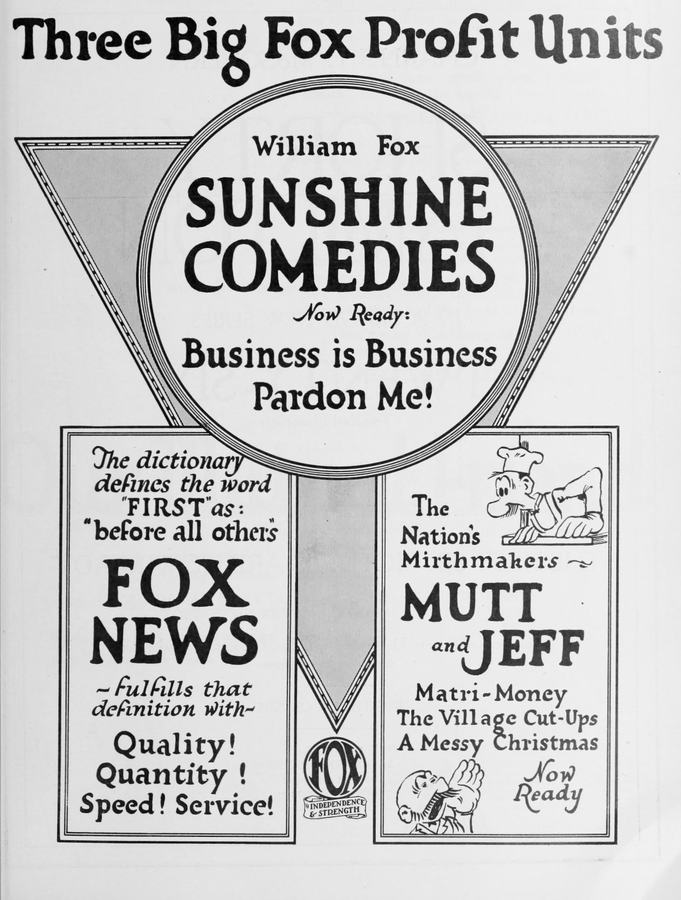
Stepping back into the cinematic annals of 1921, one encounters a peculiar charm in the often-overlooked 'Pardon Me', a film that, despite its brevity and apparent simplicity, offers a fascinating lens through which to view the social mores and comedic sensibilities of the burgeoning silent era. This is not merely an antique curiosity; it is a vibrant snapshot of a time when narrative was distilled to its visual essence, and performance spoke volumes without uttering a single word. The film, starring the expressive Lillian Hackett and the inimitable Jimmy Savo, embarks on a delightful, if fleeting, journey into the realms of mistaken identity and social aspiration, themes that resonate with surprising clarity even a century later. Its narrative is straightforward, almost fable-like, yet beneath the surface of its lighthearted escapade lies a subtle critique of class structures and the human desire to transcend one's station.
At its core, 'Pardon Me' is a testament to the transformative power of attire, a sartorial Cinderella story with a distinctly comedic, and ultimately poignant, twist. Our protagonist, Johnny, a man whose daily existence is defined by the utilitarian uniform of a laundry wagon driver, stumbles upon a discarded dress suit. This isn't just any suit; it's a symbol, a key, an almost magical garment that promises entry into a world he could only ever observe from a distance. The instantaneous metamorphosis from humble deliveryman to an imagined 'Count' is both absurd and utterly believable within the context of silent film's heightened reality. The sheer audacity of his plan – to infiltrate a high-society ball – speaks to a universal yearning for belonging and recognition, a desire to shed the skin of one's predetermined fate. The film, without dialogue, communicates this aspiration through Savo's physical comedy and the almost palpable shift in his demeanor once adorned in the formal wear. His initial awkwardness gives way to an exaggerated confidence, a performance within a performance that forms the very crux of the film's appeal.
The societal milieu depicted, the 'lower four hundred' at the ball, is a fascinating construct. It suggests a social tier that, while affluent, is perhaps not the absolute apex of the aristocracy, making Johnny's infiltration both more plausible and more ironically resonant. These are individuals who, themselves, might be acutely aware of social climbing, making them both targets and unwitting enablers of Johnny's masquerade. The film implicitly critiques the superficiality of such gatherings, where appearances often outweigh genuine substance. The very fact that Johnny can pass, even for a short duration, simply by virtue of a well-tailored suit, highlights the fragility of social distinctions when confronted with a convincing façade. This thematic thread, though presented with comedic lightness, echoes through cinematic history. One might draw a parallel to the more complex social stratagems explored in later films like The Country Cousin, which also delves into the collision of different social worlds, albeit from a different angle of rural naiveté meeting urban sophistication. Here, however, it's about the deliberate adoption of a new persona, a conscious act of deception for the sake of experience.
The success of 'Pardon Me' rests heavily on the shoulders of its performers, particularly Jimmy Savo. Savo, known more for his vaudeville career and later work, brings a nuanced physical comedy to Johnny. His expressions, exaggerated yet never entirely losing a thread of humanity, convey the character's initial trepidation, his burgeoning confidence, and ultimately, his resigned acceptance of fate. It’s a masterclass in silent film acting, where every gesture, every tilt of the head, every wide-eyed glance must communicate an entire internal monologue. Lillian Hackett, though perhaps less central to the narrative's core conflict, undoubtedly adds to the film's texture. Her presence, typical of leading ladies of the era, would have provided a romantic or aspirational element, guiding Johnny's interactions within the unfamiliar social sphere. The interplay between characters in silent film is a delicate ballet, relying on precise timing and clear visual cues, and 'Pardon Me' executes this with commendable skill. The actors don't just 'act'; they narrate with their bodies, creating a language that transcends the absence of spoken words. This form of storytelling demands a particular kind of artistry, one that is often underestimated in retrospect, but was the bedrock of cinematic entertainment for decades. The subtle nuances of their performances, the way a glance or a posture can convey an entire backstory or emotional state, is a testament to the communicative power of early cinema.
Consider the scene where Johnny first dons the suit. It's not just a costume change; it's a psychological transformation. Savo's physical comedy here is paramount, shifting from the hurried, almost clandestine act of trying on the garments to the strutting, self-important posture of the 'Count'. This visual shorthand is incredibly effective, immediately establishing the character's internal journey. Similarly, Hackett's reactions to Johnny's newfound persona, whether of amusement, intrigue, or eventual recognition, would have been conveyed through subtle shifts in her gaze or a slight curl of her lip. This non-verbal communication is what made silent films so universally accessible, allowing audiences from diverse linguistic backgrounds to connect with the narrative on a fundamental, emotional level. The film's reliance on these visual cues is a reminder of cinema's foundational language, a language that, while evolving, still underpins much of what we experience today. In a way, it's a purer form of storytelling, stripped down to its most essential visual components, allowing for a deep, almost primal connection with the characters and their predicaments.
'Pardon Me' operates with an admirable narrative economy. There's no wasted motion, no superfluous exposition. The plot unfolds with a brisk efficiency, moving from discovery to aspiration to inevitable downfall with a straightforward grace. This brevity, characteristic of many early short films, doesn't diminish its impact; rather, it sharpens its thematic thrust. The film's central conceit—the dress suit as a symbol of social mobility—is explored fully within its concise runtime. The narrative arc, though simple, is deeply satisfying because it taps into universal anxieties about identity, belonging, and the often-arbitrary nature of social stratification. The moment of recognition, when a guest at the ball identifies the suit, is the narrative's fulcrum. It's a sudden, almost brutal return to reality, a stark reminder that a borrowed identity, no matter how convincing, is ultimately unsustainable. This moment of unmasking is a classic comedic trope, but here it carries a faint undertone of pathos, highlighting the fleeting nature of Johnny's dream.
The film's exploration of appearance versus reality is particularly potent. Johnny isn't transformed internally; he merely adopts the outward trappings of a different class. His true self, the laundry wagon driver, remains, and it is this underlying truth that ultimately shatters the illusion. This theme is a recurring motif in cinema, from Shakespearean comedies to modern psychological thrillers, and 'Pardon Me' offers an early, charming articulation of it. It suggests that while clothes may make the man, they don't necessarily make the person. The film, in its own unassuming way, invites us to question the value we place on external markers of status and wealth. Is society truly fooled by a suit, or are we, the audience, in on the joke from the beginning, anticipating the moment the façade crumbles? This self-awareness, even in a simple comedy, elevates 'Pardon Me' beyond mere entertainment to a piece of social commentary.
While 'Pardon Me' is a distinct piece, its narrative elements and comedic approach find echoes in other films of its era and beyond. The theme of mistaken identity, often leading to comedic or dramatic complications, is a cornerstone of early cinema. One can see similar comedic potentials explored in films like Hampels Abenteuer, which likely also played with the absurdities of identity swaps or social blunders. The very idea of a character being defined or transformed by an external object, in this case, a suit, is a powerful narrative device. It's a simple, yet profoundly effective way to drive plot and explore character motivations without the need for extensive dialogue or complex backstories. The elegance of such storytelling lies in its directness, allowing the audience to immediately grasp the stakes and implications of Johnny's actions.
Moreover, the film's ability to create a sense of aspiration and then deflate it with a comedic punch foreshadows the more sophisticated social satires that would emerge in later decades. It's a foundational text in understanding how cinema began to use humor not just for entertainment, but as a tool for mild critique. The performance of a new identity, even if temporary, allows the film to briefly suspend the rigid class boundaries of the time, only to reinforce them with the final, inevitable reveal. This cyclical pattern of hope and disillusionment, often played for laughs, is a hallmark of many comedic narratives dealing with social mobility. The film, in its unassuming way, contributes to a lineage of films that playfully, yet pointedly, examine the human tendency to aspire beyond one's means, and the societal structures that both encourage and thwart such ambitions.
Watching 'Pardon Me' today is more than just a historical exercise; it’s an opportunity to appreciate the foundational artistry of filmmaking. It reminds us that compelling storytelling doesn't require elaborate special effects or intricate dialogue. It thrives on clear character motivations, engaging conflicts, and performances that communicate directly to the viewer's emotions. The film's straightforward narrative allows contemporary audiences to easily connect with Johnny's plight and his brief moment of glory, despite the cultural distance. The humor, rooted in physical comedy and the universal awkwardness of social pretense, remains surprisingly fresh. It's a testament to the timeless appeal of well-executed slapstick and situational irony.
The film also serves as a crucial artifact for understanding the development of comedic timing and visual narrative techniques in silent cinema. The pacing, the use of intertitles (even if minimal in a short film), and the way the camera frames the action all contribute to the overall effect. It's a masterclass in how to convey a complete story arc with limited resources, relying heavily on the expressive capabilities of the human body and face. The film's legacy, while not as widely celebrated as some of its contemporaries, lies in its contribution to the evolving language of film comedy and its subtle yet effective social commentary. It's a small but significant piece of the cinematic puzzle, illuminating the ingenuity and creativity that defined the early years of the moving picture. Its continued existence allows us to glimpse a world that, while distant, grappled with many of the same human aspirations and follies that define our own.
In a broader context, 'Pardon Me' stands as a charming example of the kind of short, entertaining features that populated movie houses in the early 1920s, often preceding longer features or newsreels. These films were vital in shaping audience expectations and developing the grammar of cinema. They were laboratories of storytelling, experimenting with visual gags, character archetypes, and narrative structures that would influence generations of filmmakers. The film's exploration of identity and social mobility, even if presented with a light touch, connects it to a long tradition of cinematic works that use the medium to reflect upon and question societal norms. From the grand narratives of epic dramas to the intimate comedies of everyday life, cinema has always held up a mirror to the human condition, and 'Pardon Me' is an early, delightful example of this enduring function.
Ultimately, 'Pardon Me' offers more than just a nostalgic trip to the past; it provides a timeless reflection on the human desire for acceptance and the inherent vulnerability of social pretense. Johnny's brief stint as a 'Count' is a universal fantasy, one that speaks to the dreams of many who wish, even for a moment, to step outside their prescribed roles. The film's gentle humor and swift narrative make it an accessible entry point for those curious about silent cinema, showcasing its unique strengths in visual storytelling and character portrayal. It’s a film that, despite its age and brevity, manages to pack a considerable punch, leaving the viewer with a smile and perhaps a subtle contemplation of the costumes we all wear in life. Its simplicity is its strength, allowing its core themes to shine through with unadorned clarity. A true gem from the early days of cinema, 'Pardon Me' remains a delightful and insightful piece of filmmaking, proving that some stories, and some laughs, are truly timeless. The legacy of such films isn't always in their monumental scale or groundbreaking innovation, but in their quiet ability to capture a moment, a mood, and a universal truth, offering a window into the past that still resonates profoundly with the present. It’s a reminder that even the smallest stories can hold immense power, echoing through the decades and speaking to the enduring complexities of the human experience.
IMDb —
1918
Community
Log in to comment.