Summary
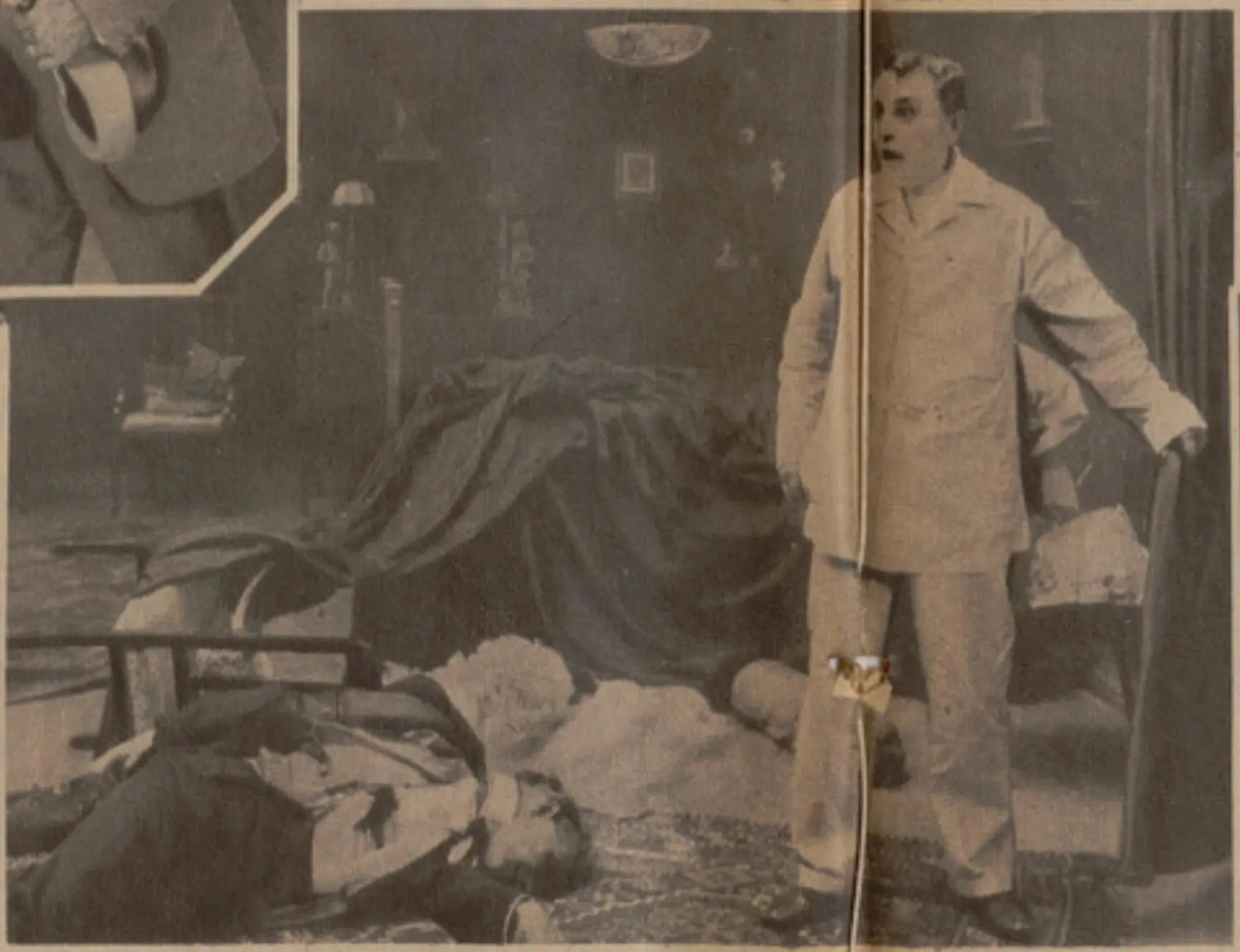
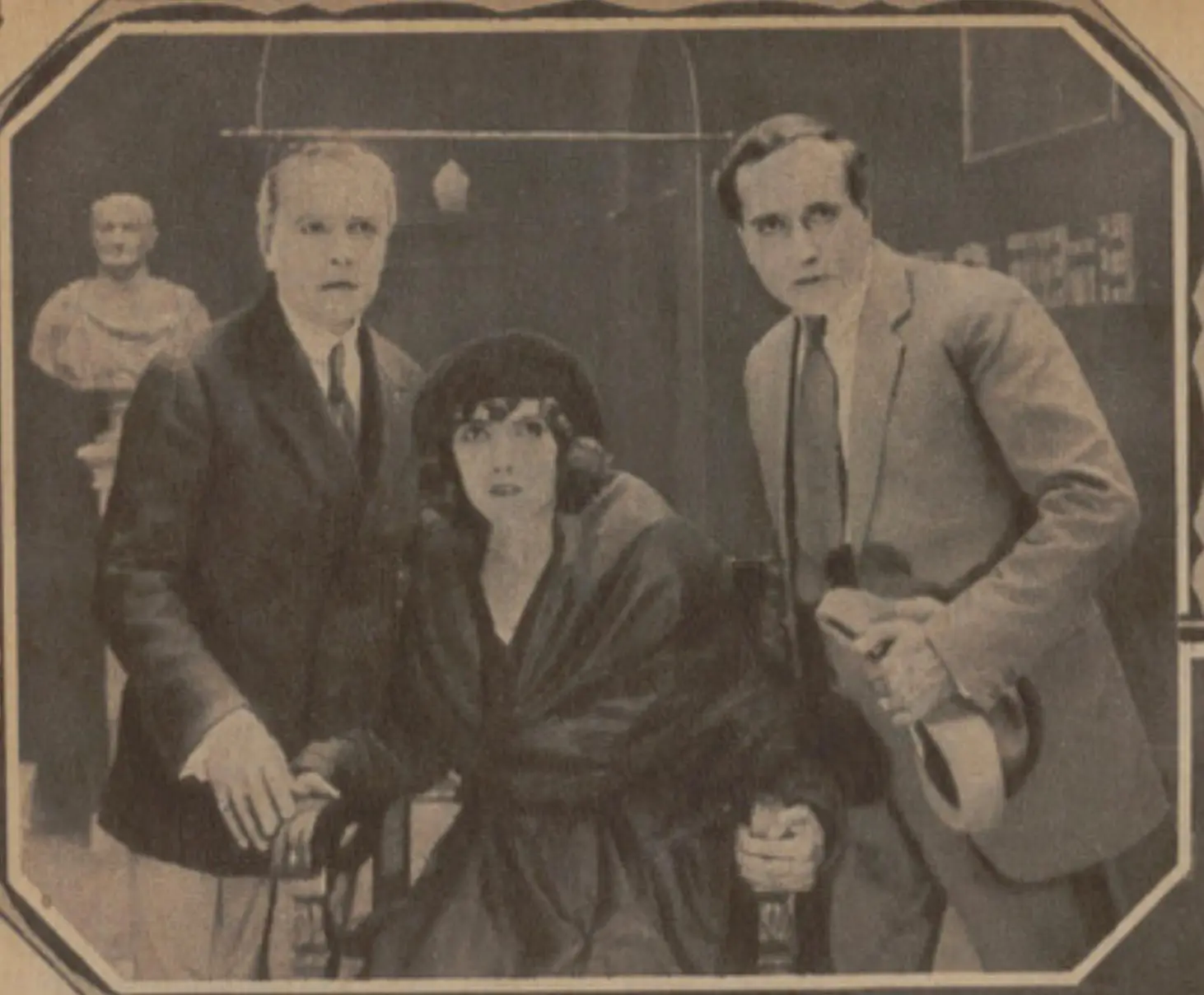
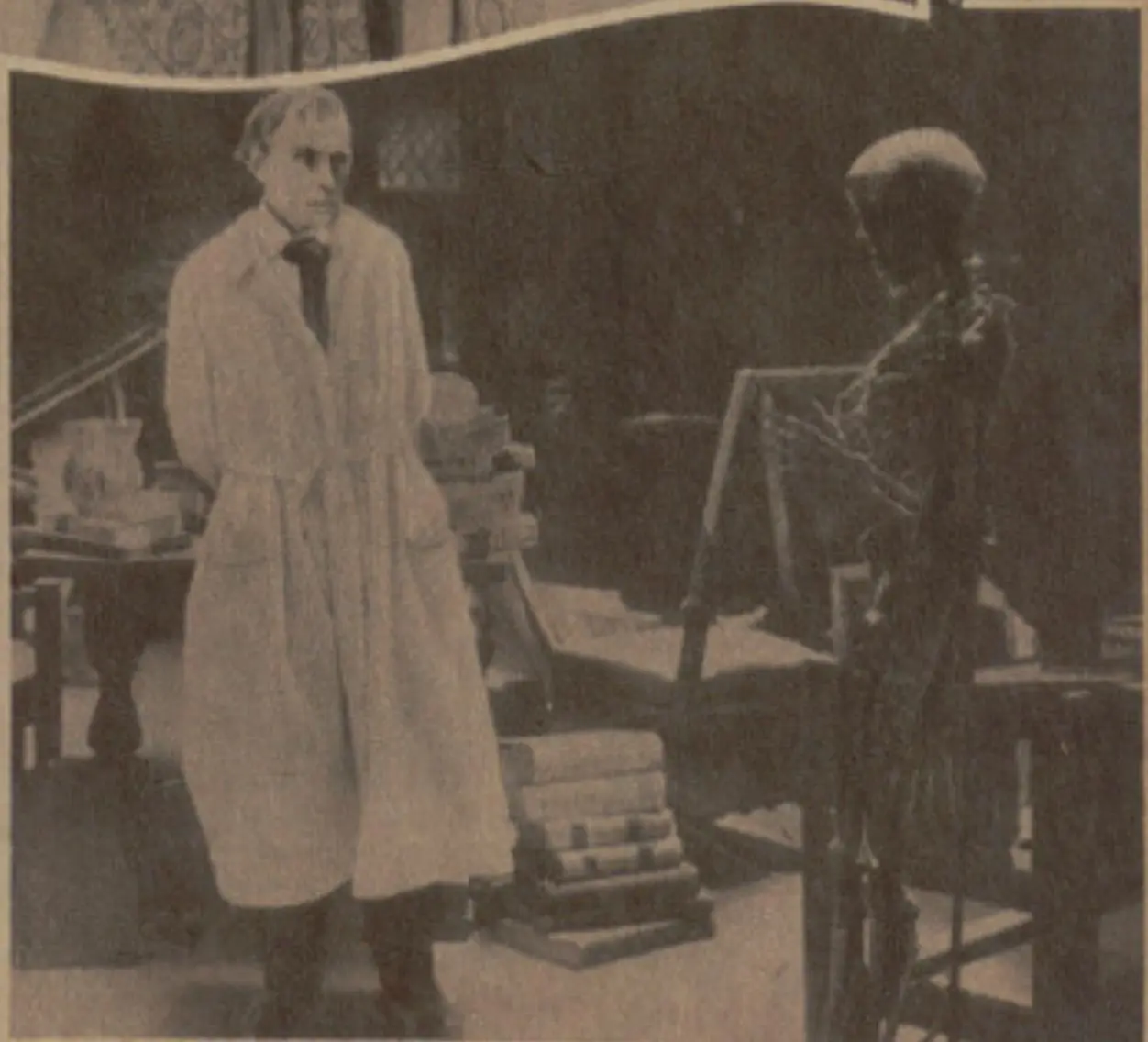
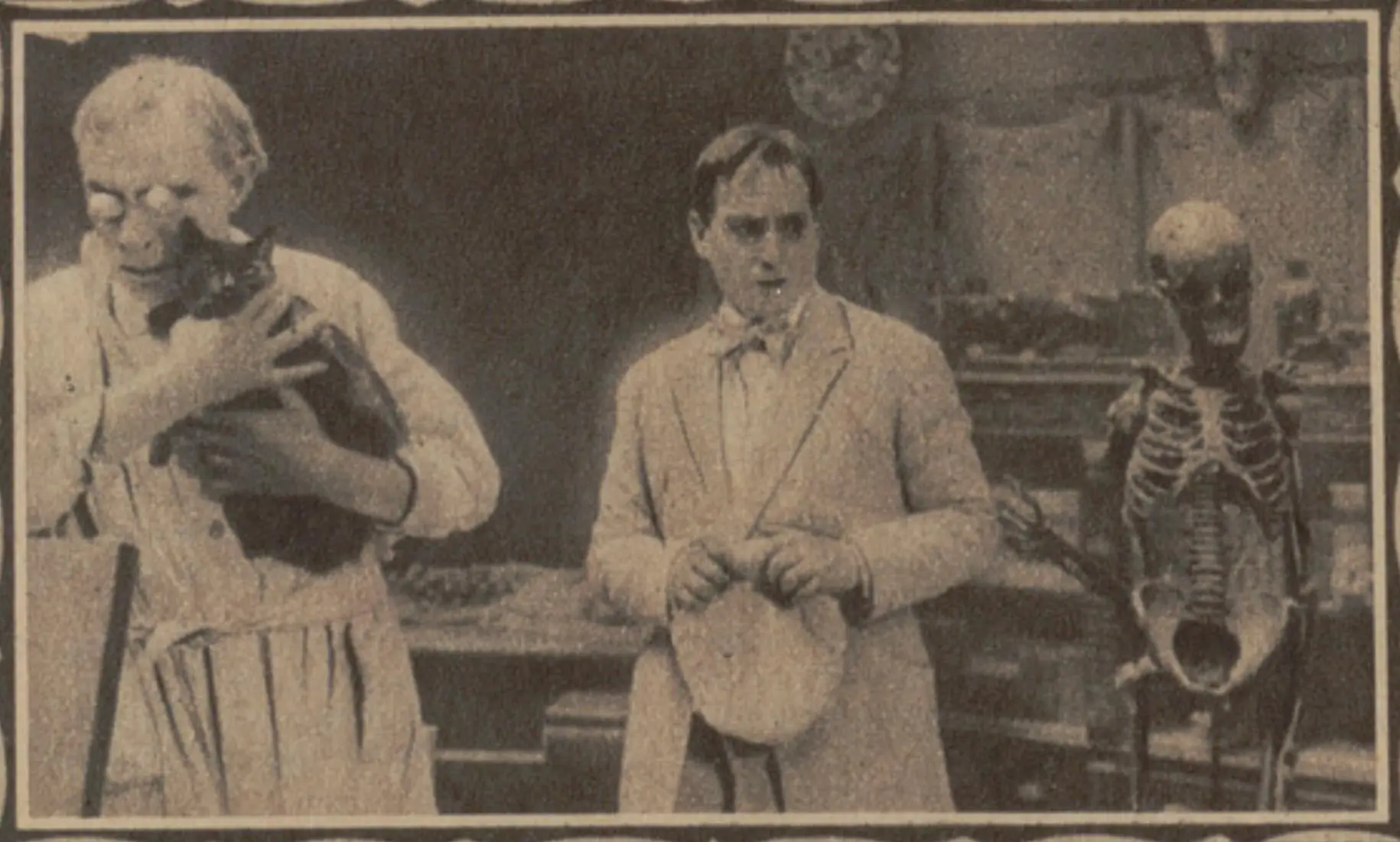
High on a crag where the Adriatic gnaws at limestone battlements, Il castello dei Gufi unfurls like a fevered tapestry stitched from moonlight and mildew. A reclusive countess (Maria Roasio) inherits a fortress riddled with trapdoors, frescoes of predatory angels, and an owlery whose screeches spell ancestral guilt in Morse. When penniless cartographer Gino D’Attino arrives to survey the coastline, he is seduced less by the noblewoman’s alabaster skin than by the cartographic void at the castle’s heart: a sealed wing inked on no chart. Each midnight, phosphorescent footprints bloom across the flagstones; each dawn, another servant vanishes, leaving behind only a single bronze feather. Vera Dimova’s mute maidservant, rumored to lactate laudanum, prowls corridors with a looking-glass that reflects tomorrow’s corpse. Giovanni Dolfini’s chaplain, more interested in Etruscan pornography than salvation, translates owl hoots into erotic psalms. As winter storms sever the causeway, the castle becomes a Möbius strip: every staircase doubles back on itself, every confession reverses into accusation. The countess, desperate to abort the family curse, performs a Black Mass inside the rookery; owls swoop through the Gothic tracery, carrying her illegitimate newborn into the eye of a cyclone. In the final reel the sea itself invades the great hall, transmuting stone into salt, blood into brine; survivors sprout barnacles and speak only in low tide whispers. The camera, half-submerged, lingers on a fresco where the virgin’s face has peeled away to reveal a skull wearing the same locket that now adorns a gull bobbing on the waves—an ouroboros of property and dispossession.
Review Excerpt
"
A moon-drowned castle, owls that deliver subpoenas from the underworld, and a countess who treats sin like a vintner sampling a promising mold—welcome to Il castello dei Gufi, a 1917 Italian fever dream that makes Caligari look like a bedtime story.
Shot on orthochromatic stock so thin you could read tomorrow’s obituaries through it, the film survives only in a 69-minute restoration scraped from a single nitrato print discovered inside a Sicilian convent’s piano. The scratches dance like St. V..."