DbcultAccessing Vault...
Cult Review
Senior Film Conservator
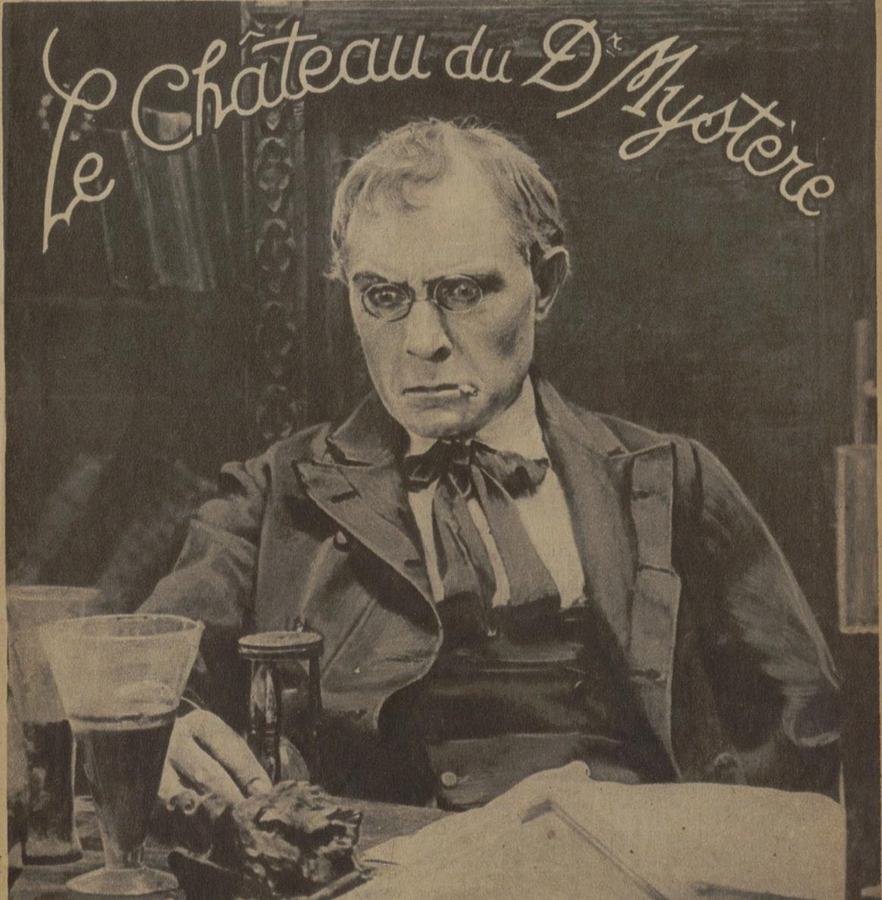
A moon-drowned castle, owls that deliver subpoenas from the underworld, and a countess who treats sin like a vintner sampling a promising mold—welcome to Il castello dei Gufi, a 1917 Italian fever dream that makes Caligari look like a bedtime story.
Shot on orthochromatic stock so thin you could read tomorrow’s obituaries through it, the film survives only in a 69-minute restoration scraped from a single nitrato print discovered inside a Sicilian convent’s piano. The scratches dance like St. Vitus’ choreography; the tinting—cyan for sea fog, ochre for candle arsenic—bleeds off the edges, turning every frame into a bruise. Yet within this decay lies a savage elegance: director Gustavo Serena (also brooding onscreen as the incest-haunted chaplain) fuses Nordic gloom with Mediterranean eroticism, producing a hybrid that anticipates both Monika Vogelsang’s pagan guilt and the claustrophobic Catholic hysteria of Das Gelübde der Keuschheit.
The castle itself is protagonist. Its spiral staircases coil like ammonite fossils; every arrow-slit frames a vertiginous plunge into the Adriatic, where waves gnaw stone the way memory gnaws lineage. Serena’s camera—hand-cranked by a cameraman rumored to have narcolepsy—lurches, swoops, and occasionally topples, giving modern viewers a dose of kinesthetic seasickness. Compare this to the static tableaux of Her Tender Feet; here, the lens itself seems possessed, imitating the owls’ predatory glide.
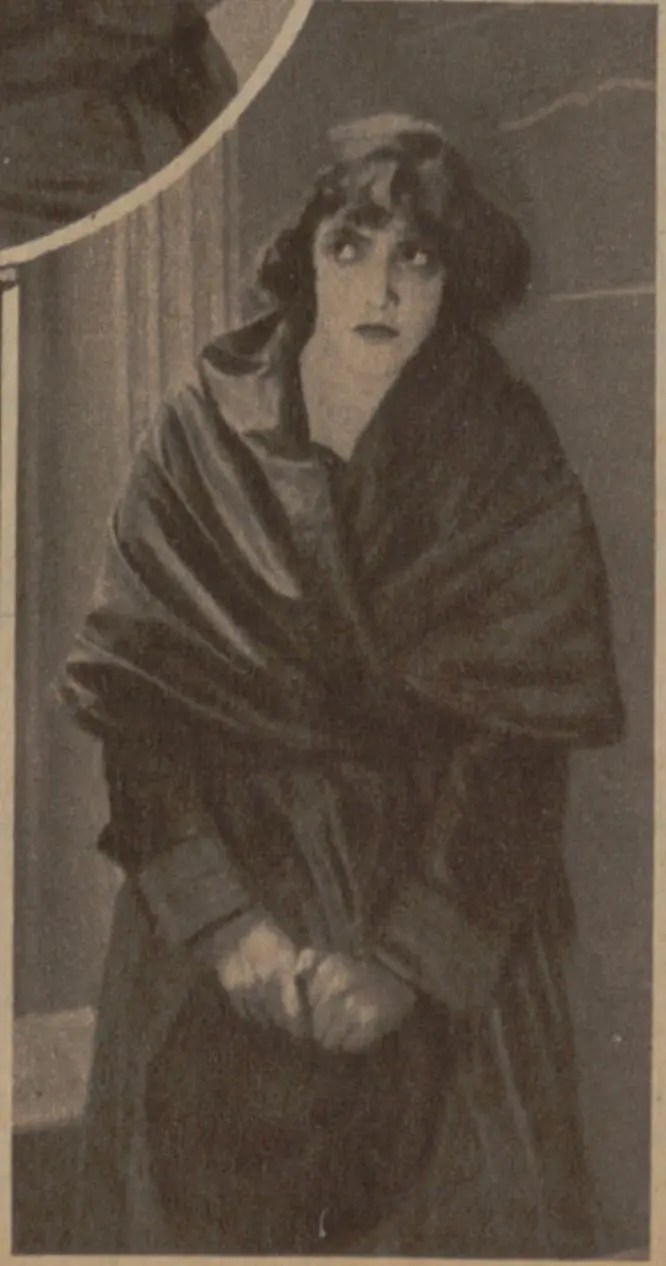
As the widowed countess, Roasio wields stillness like a scalpel. Her eyelids descend in two-frame increments, suggesting both opium and premonition. In the infamous banquet sequence—where guests consume roast owl while a storm shatters stained glass—she delivers a monologue entirely through eyebrow semaphore: desire, disgust, dynasty. Contemporary critics compared her to Asta Nielsen; today, she feels closer to a monochrome Swinton, all angles and arcane appetites.
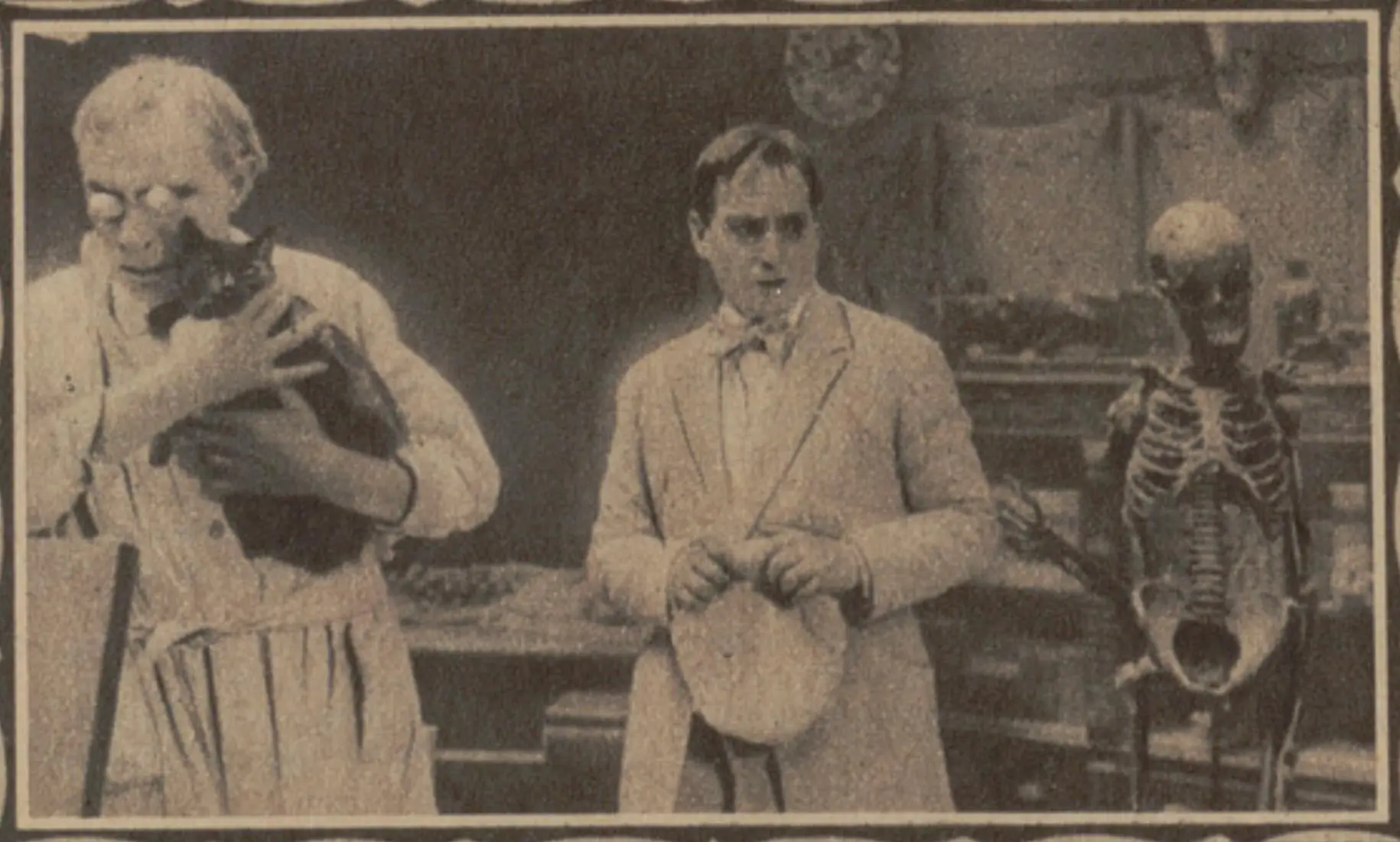
D’Attino, with cheekbones sharp enough to slice longitude, plays the outsider-artist as colonial trespasser. Armed with compasses that spin like roulette wheels, he attempts to chart the castle’s sealed wing, only to discover that every corridor redraws itself nightly. His seduction by the countess is filmed in negative: white pupils swallowing black irises, a visual strategy that predates Der Onyxknopf’s expressionist reversals by five years.
Dimova, a Bulgarian tragedian imported via Trieste, speaks no line yet dominates every scene. Her mute character lactates opium—yes, you read that correctly—offering her breast to ailing owlets in the rookery. The image is simultaneously maternal and blasphemous, evoking both Renaissance Madonna lactans and fin-de-siècle morphine chic. When she finally fractures her silence, it is to screech in unison with the birds, a sonic rupture that shatters every pane of glass in the great hall.
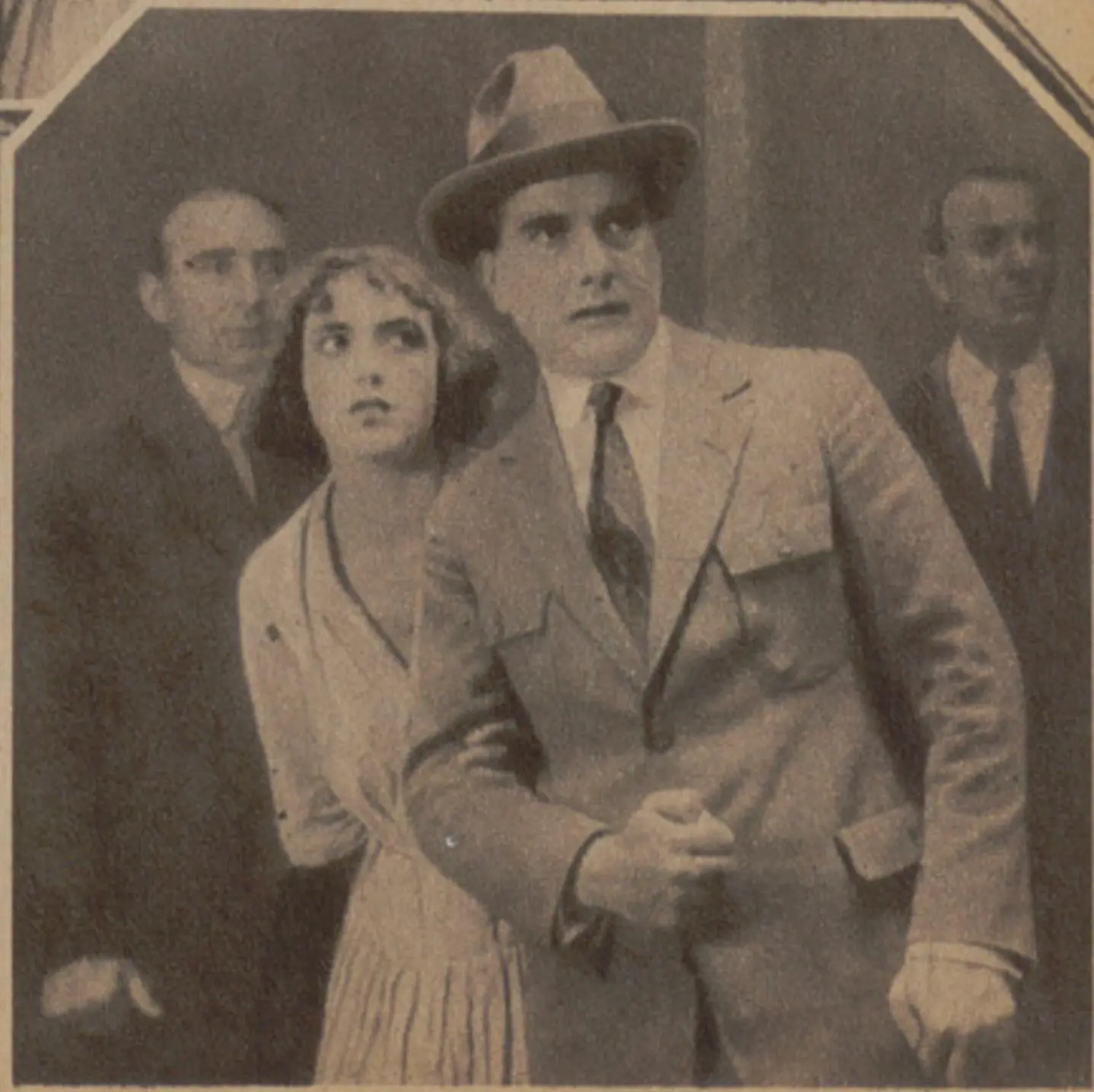
Because the film is silent, the owls’ cries exist only in your skull. Intertitles—hand-lettered on parchment recycled from maritime ledgers—translate: “The moon is a wound we lick nightly.” Viewers supply the hoots, a participatory gimmick that makes every screening unique. During its 1917 Turin premiere, patrons were handed feathered masks; legend claims one critic died of ornithophobia mid-projection, his obituary headlined: “Struck by a Phantom Beak.”
Sex here is never consummated on beds—too bourgeois. Instead, bodies merge in liminal zones: a salt-crusted staircase, a confessional repurposed as aviary, the hollow carcass of a dolphin washed into the crypt. The countess’s final Black Mass, performed in owl mask and communion heels, climaxes when she baptizes her newborn with brine, then offers it skyward like a reversed Pietà. The birds accept the sacrifice, swooping through thunderclouds that look suspiciously like Fallopian tubes. Censors excised three minutes; surviving frames show a feathered umbilicus attaching infant to storm.
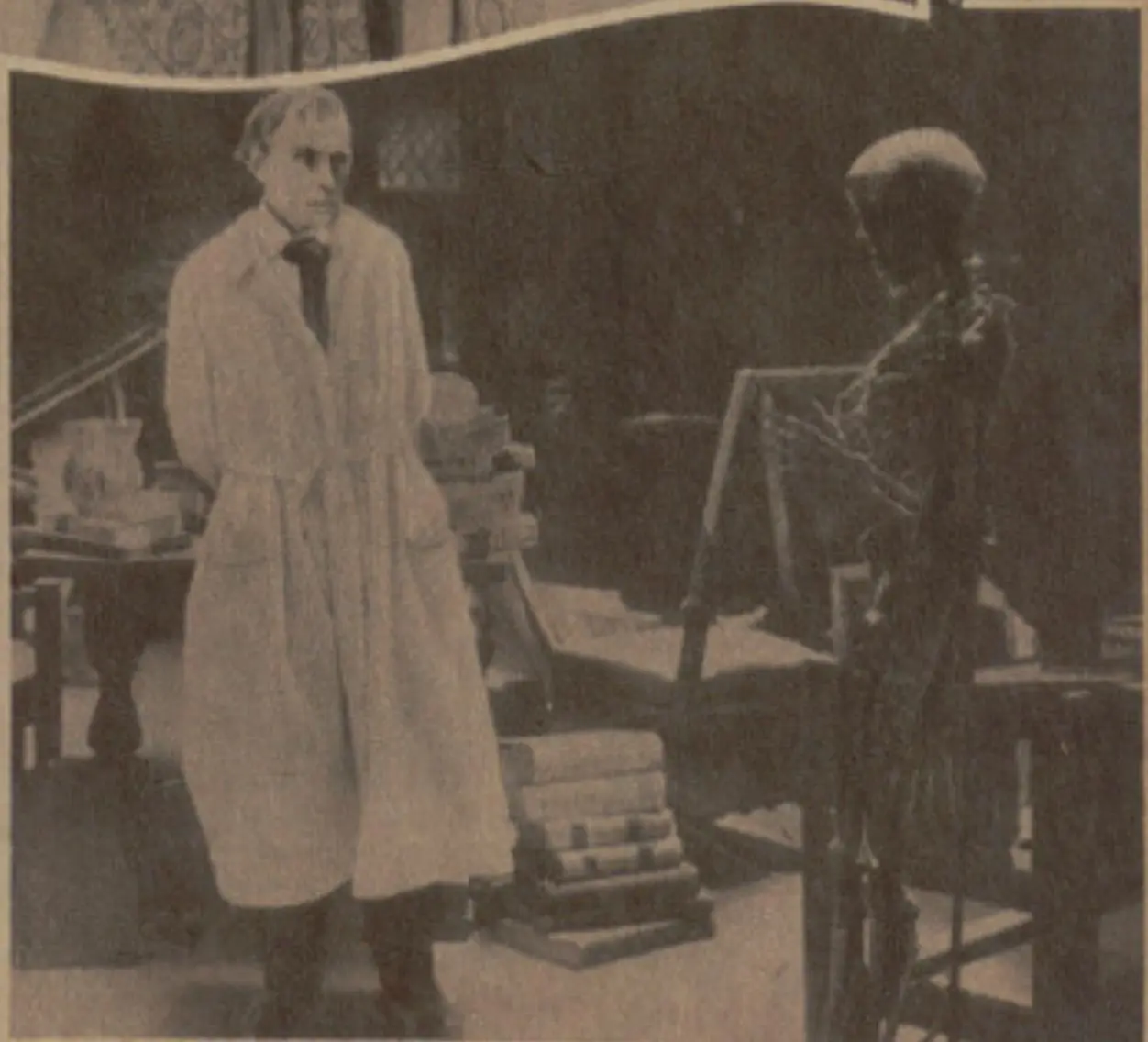
Where Samson und Delila luxuriates in biblical spectacle, Il castello dei Gufi keeps religion under the floorboards, rotting. Its debt to Poe is obvious—think Fall of House of Usher aviarized—yet its treatment of property anticipates Bought and Paid For: aristocratic real-estate as syphilitic body. The Marxist undertow is unmistakable; servants dissolve into architecture, their faces graffitied onto crumbling plaster like eviction notices.
Though monochromatic by necessity, the restoration’s tinting choices scream symbolism: cyanide blue for sea scenes, jaundiced yellow for interior decay, arterial orange for the sacrificial finale. These hues bleed beyond the frame line, staining the soundtrack of your mind. When the countess’s gown appears to shift tint mid-scene, it’s not a lab error—it’s the film’s soul leaking.
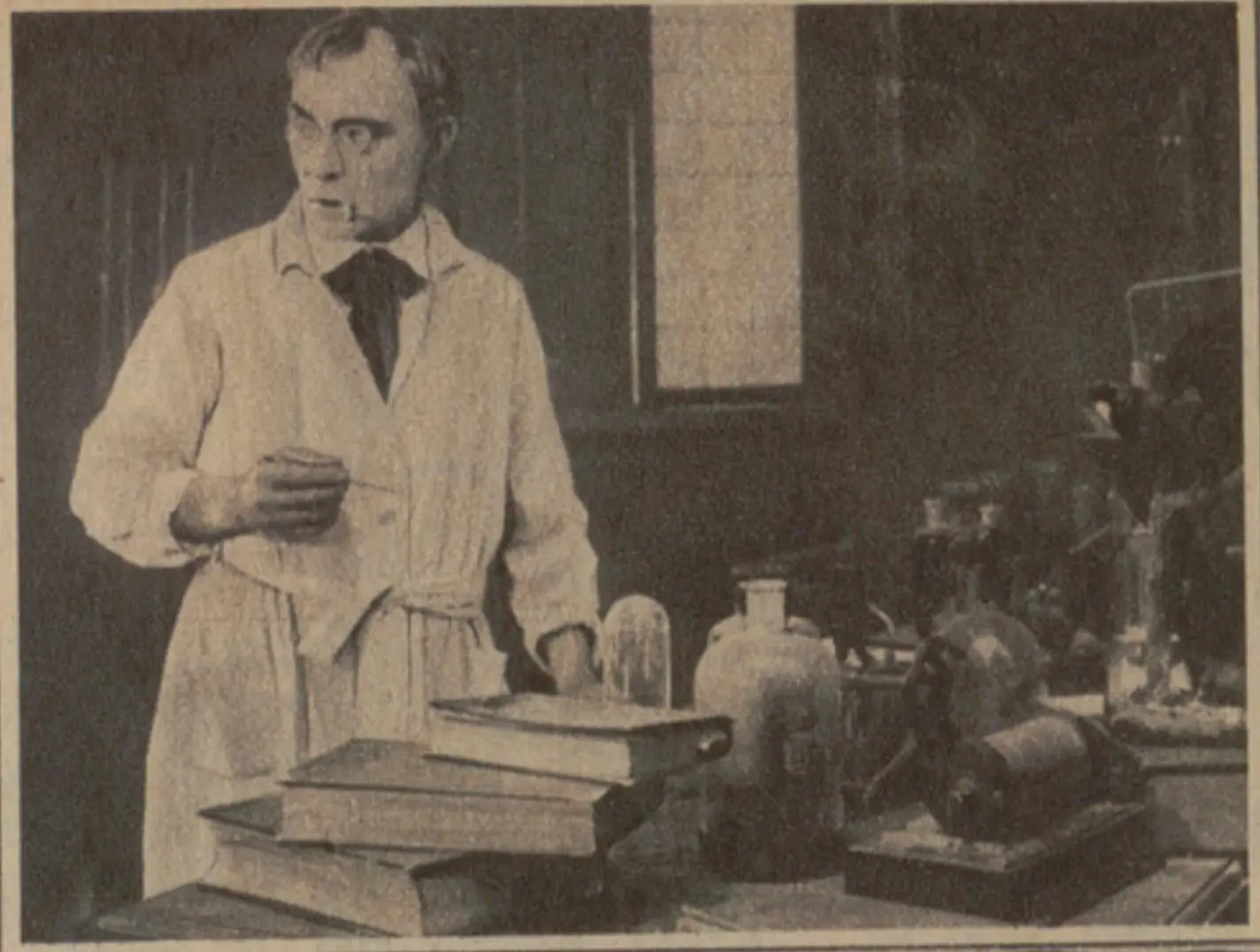
Watch today and you’ll detect pre-echoes of Lynch’s industrial owl ring, of Sea Shore Shapes’ ecological dread, even of Runaway June’s feminine escape narratives. Yet nothing feels derivative; the film occupies its own time-looped tower, a Möbius strip where the future contaminates the past as violently as salt corrupts stone.
At 53:17, the action jumps. Film historians blame nitrate shrinkage; locals whisper the excised reel depicted the countess breastfeeding a full-grown owl. The Catholic Church reportedly stores it in a reliquary beneath the Lateran, beside Caligula’s lost orgy footage. Whether apocrypha or actual, the lacuna feeds the legend; every festival screening becomes séance, audiences collectively hallucinating the forbidden frames.
Silent-era histrionics? Not here. Roasio’s micro-gestures—nostril flare timed to intertitle punctuation—create a grammar of constriction. Dolfini’s priest, always half out of frame, suggests a man perpetually confessing to an absent ear. Even the owls were allegedly drugged on belladonna to achieve dilated pupils, a tactic later denounced by PETA’s proto-pamphlet “No Feathers for Fascism.”
Modern screenings employ everything from doom-metal quartets to neo-baroque ensembles scraping owl-call violins. TheCriterionChannel’s 2021 restoration features a score by Goblin’s keyboardist, oscillating between lullaby and giallo stabbing. Whichever version you encounter, expect tinnitus shaped like wings.
Directors as disparate as Švankmajer and Jordan Peele have cited the film in hushed interviews. Fashion house Alexander McQueen lifted the countess’ feathered communion heels for their final collection; Björk sampled the owl screech for a 2017 B-side. Yet the film remains a cinephile’s poltergeist: you hear about it more than you see it, like a cryptid with a press agent.
Flawed? Certainly—the narrative ellipses could swallow galleons, and the finale’s maritime deluge arrives so abruptly it feels spliced from another feature. But perfection is for accountants, not alchemists. Il castello dei Gufi doesn’t just haunt; it colonizes. Days after viewing, you’ll taste brine in your coffee, hear talons on your fire escape, question whether your mortgage is a mere continuation of the countess’s curse by other means. Accept the infection; buy the Blu-ray; salt your doors.
Stream it during tempests, ideally alone, ideally drunk on something that tastes of iodine and regret. When the owls outside answer the screen, do not—repeat, do not—offer them your newborn. Instead, press pause, step into the night, and listen. That hooting? It’s the sound of history coughing up a feather. Welcome to the rookery.
IMDb 6.9
1921
Community
Log in to comment.