DbcultAccessing Vault...
Cult Review
Senior Film Conservator
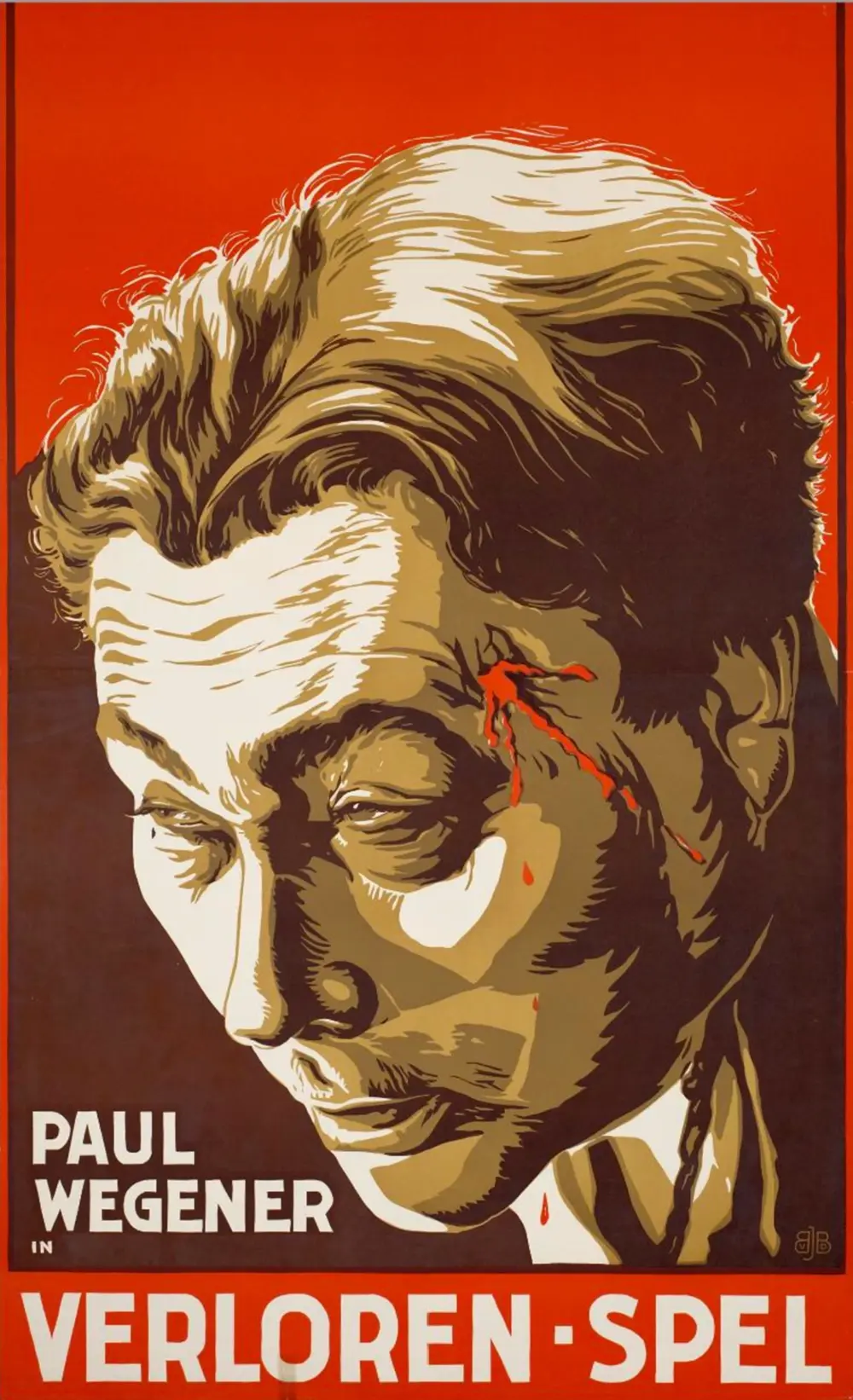
Is Survival (1928) a lost masterpiece or a dated relic? Short answer: It is a powerhouse of late-silent era character acting that justifies its existence through sheer atmosphere, even if the narrative occasionally stumbles over its own melodrama. This film is for the cinephile who values texture, facial expressions, and the dark corners of the human psyche over fast-paced action or clear-cut morality. It is decidedly not for those who find the deliberate, theatrical pacing of 1920s European cinema tedious or for viewers who demand a traditional hero-villain dynamic.
Survival works because Paul Wegener brings a terrifying, hulking vulnerability to the role of the escaped convict, turning a literary archetype into a breathing, sweating reality. However, the film fails because the secondary romantic subplot involving the grown son feels thin and lacks the high-stakes tension of the primary character study. You should watch it if you appreciate the visual language of German Expressionism or want to see a Balzac adaptation that prioritizes the 'sweat and shadows' of the underworld over the parlor-room gossip of the source material.
Wegener is a mountain. Known to most for his iconic role in The Golem, he brings that same monolithic presence to Survival, but with a layer of paternal desperation that is genuinely unsettling. When he moves through the brothel sets, he doesn't just walk; he occupies the space like a predator who has forgotten how to be anything else. In one specific scene, where he watches his 'son' from the darkness of a doorway, the camera catches the glint of pride and terror in his eyes—a moment that says more about the burden of a criminal legacy than any page of dialogue ever could.
His performance is the anchor. Without his physical gravity, the film might have drifted into the territory of a standard melodrama like The Innocent Lie. Instead, Wegener forces the audience to confront the moral ambiguity of a man who is both a protector and a parasite. It works. But it’s flawed. The supporting cast, while competent, often feels like they are acting in a different movie, one that is significantly more traditional and less interesting than the character study Wegener is conducting.
The production design of the brothel is a masterclass in late-silent era world-building. It doesn't feel like a movie set; it feels like a place that has been lived in, stained, and forgotten by the outside world. The use of chiaroscuro—the sharp contrast between light and dark—is used here to signify the convict's dual life. The 'public' areas of the house are bathed in a deceptive, soft light, while the private rooms where the convict hides are swallowed by deep, oppressive shadows.
This visual duality creates a sense of claustrophobia that mirrors the script's themes. Unlike the more romanticized urban settings in The Cigarette Girl, Survival presents the city as a trap. Every corner of the brothel holds the potential for exposure. When the woman falls in love with the son, the camera lingers on her face in extreme close-up, capturing a frantic, almost manic energy that contrasts sharply with Wegener’s stillness. This tension is the film's greatest strength.
Survival adapts Balzac by focusing on the psychological weight of the character Vautrin rather than the sprawling social tapestry of the novels. The film uses visual metaphors to represent his social isolation, simplifying the complex plot of the source material to emphasize the father-son dynamic. While it loses some of the literary nuance, it gains a visceral, cinematic intensity that is unique to the silent medium.
If there is a point where the film loses its grip, it is in the middle act. The transition from the convict’s initial hiding to the son’s adulthood feels rushed, yet the scenes that follow often drag. The romantic conflict involving the whore who loves the son is a necessary plot device, but it lacks the grit of the opening sequences. It feels like a concession to the tropes of the era—a bit of 'weepy' drama injected into a story that is otherwise quite hard-boiled.
Compare this to The Forfeit, which manages its pacing with a bit more grace. In Survival, the shifts in tone can be jarring. One moment we are watching a tense, silent-era thriller, and the next we are in the middle of a theatrical romance. It is a testament to Wegener’s performance that he is able to bridge these gaps, but the script by Joseph Than occasionally feels like it’s pulling in two directions at once.
The cinematography by the uncredited (though likely under the influence of the great Weimar masters) camera team is stunning. There is a specific moment where the camera follows a character through the hallways of the brothel, using a primitive but effective tracking shot that makes the viewer feel like an intruder. This level of technical sophistication was rare for 1928 and suggests a director who was deeply influenced by the moving camera work of Murnau or Lang.
"The film doesn't just show us a criminal; it forces us to smell the stale air of his hiding place."
The use of props is also worth noting. The convict’s belongings are few, and each one is given weight. A single letter or a heavy coat becomes a symbol of his past. This specificity is what elevates Survival above other adaptations of the period. It understands that in a silent film, the objects characters touch must carry the weight of the words they cannot speak.
Pros: Wegener’s powerhouse performance; hauntingly beautiful chiaroscuro cinematography; a unique, gritty take on Balzac’s Vautrin; excellent production design that captures the decay of the underworld.
Cons: The romantic subplot lacks chemistry; the pacing in the second act is noticeably sluggish; some supporting characters are reduced to one-dimensional archetypes.
Survival is a fascinating, if imperfect, bridge between literary tradition and cinematic expression. It is a film that breathes through its lead actor. While it may not have the name recognition of Metropolis or Nosferatu, it belongs in the conversation of important 1920s German cinema. It is a heavy watch, but one that lingers in the mind long after the final title card fades. It works. But it’s flawed. And in that flaw, it finds a strange, dark beauty that modern cinema often lacks. If you can handle the silence, the reward is a performance for the ages.
IMDb —
1921
Community
Log in to comment.