DbcultAccessing Vault...
Cult Review
Senior Film Conservator
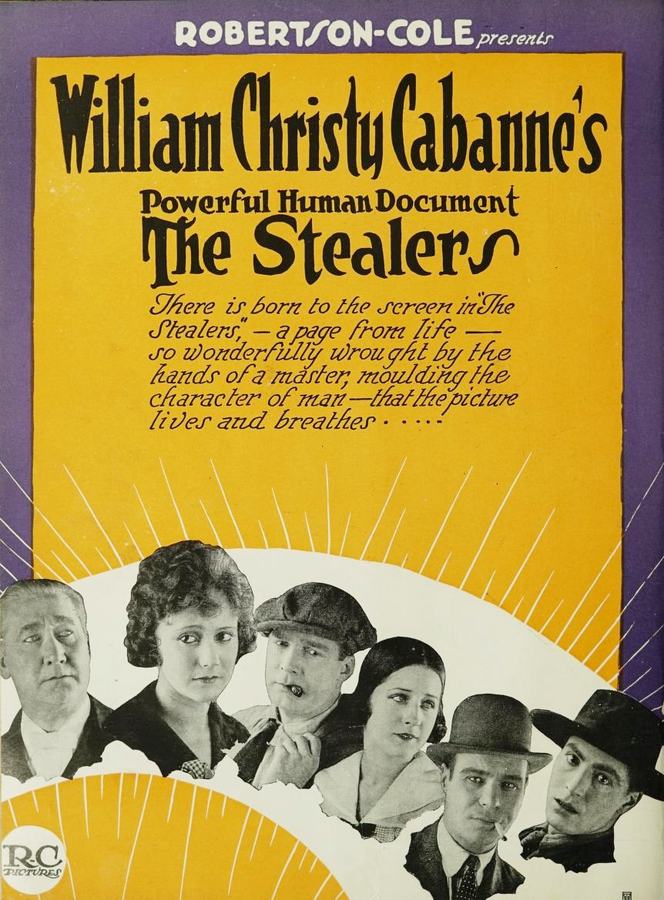
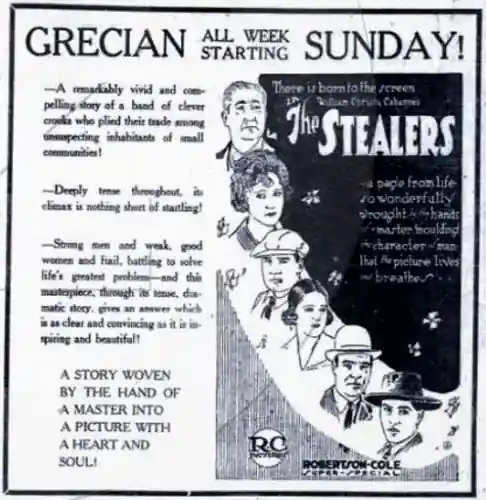
The Stealers is less a movie than a scorched psalm, a 1921 one-reeler that somehow feels like it was shot on brimstone and edited with a penitent’s belt whip. Christy Cabanne—Griffith protégé turned cynical moralist—delivers a tale of counterfeit faith so brazen it could make Elmer Gantry blush. The premise alone crackles: a preacher doubling as Fagin-in-a-cassock, fleecing his flock while reciting the Sermon on the Mount. But it’s the film’s visual grammar—its chiaroscuro interiors, its lightning bolt that arrives like Deus ex machina on amphetamines—that lifts it from pulpit melodrama into something approaching folk-gothic legend.
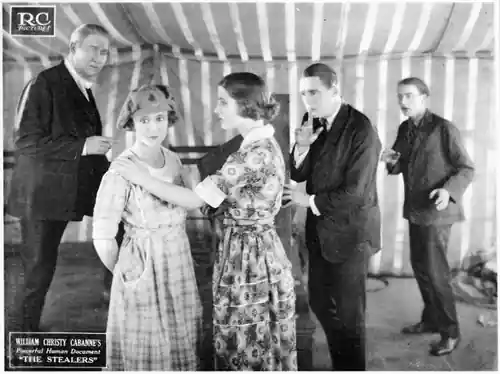
Forget Gothic spires; Martin’s chapel is skeletal timber, warped by prairie wind and camera shadows. DP Harry Stradling (years before he gilded The Iron Woman) shoots the aisles like crime-scene corridors, the congregants’ faces half-illuminated by side-mounted candles, their pockets conveniently dipped toward the aisle. Every frame whispers: salvation is just another hustle. The titular “stealers” operate in balletic synchrony—one boy drops a hymnal, another swoops, a third palms a gold watch. It’s Rififi-level choreography rendered in sepia silence.
Seventeen-year-old Norma Shearer appears as Joan in what amounts to a cinematic premonition. She enters unadorned, hair plaited like a country girl’s résumé, yet her eyes flicker with pre-Code savvy. Watch the micro-moment when she spots her father’s collection plate overflowing: a half-second purse of the lips, a blink that betrays both calculation and hurt. It’s the same expression she’ll weaponize a decade later in A Hercegnö Pongyolája, only here it’s raw, unvarnished by MGM gloss. Shearer’s Joan isn’t naïve—she’s dormant dynamite waiting for revelation.
Silent-era storms usually resemble a cinematographer shaking a tin sheet. Cabanne, ever resourceful, double-exposes the lightning: one exposure for the bolt, one for the blinding flash that whites-out the frame. The result sears the retina the way Anna Karenina’s train headlight sears the soul. Fire follows—real fire. Studio memos bragged they burned 400 bibles (already scorched stock) to keep the blaze docile. Martin’s silhouette against orange inferno feels plucked from medieval woodcuts of sinners yanked into hellmouths, only here hell climbs upward into his house of worship.
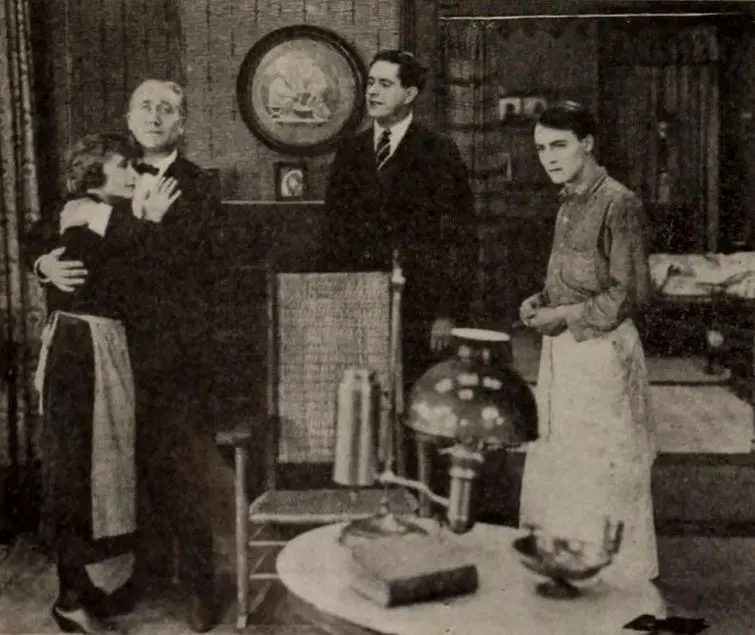
When the bolt shears Martin’s sight, it also severs his cynicism. Cinema rarely grants such literal comeuppance; imagine The Woman of Lies if every fib cost the protagonist an eye. The film’s mid-section becomes a tactile nightmare: hands groping through smoke, off-screen Joan’s cough echoing like distant thunder, the reverend’s voice—once honeyed rhetoric—now cracked contralto pleading for intercession. Cabanne suspends intertitles, forcing us to read lips lit only by ember-glow, an effect that presumes audience literacy and moral complicity.
Some critics deride the final reel as miracle overkill: wife restored, sight restored, troupe reformed. Yet within the film’s transactional theology—every sin tallied, every grace itemized—the double restoration feels earned. The wife’s reappearance is staged in a single long take: she emerges from morning mist, face gaunt, clothes sun-bleached, walking toward camera until her iris fills the lens. It’s a resurrection shot worthy of compare to Big Tremaine’s maritime phantoms, only grounded in prairie dust. Martin’s sight trickles back via overlapping dissolves: blurred silhouettes sharpen into exultant smiles, as though God gently twists a lens knob.
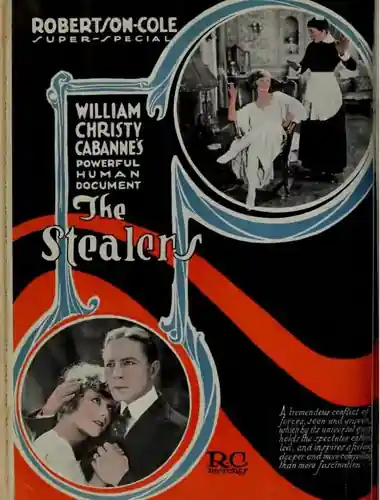
Modern viewers, marinated in anti-hero prestige, may jeer the tidy redemption. But The Stealers is not It Happened to Adele’s psychological ambiguity; it’s a Victorian lantern-slide dipped in gasoline. The film’s power lies in its willingness to literalize cosmic retribution—lightning as sermon, blindness as penance—while still allowing human agency to pivot. Compare it to Her Condoned Sin, where scandal is social currency; here sin brands the body electric.
Surviving prints are mute, so live accompaniment dictates tone. Try a three-tier approach: low-register strings bowed with rosined washers for the pickpocket sequences; glass harmonica tremolo during Joan’s innocence; and for the storm, a prepared piano strummed with copper rods—metal on metal, like heaven’s own pickpockets filching darkness from the sky.
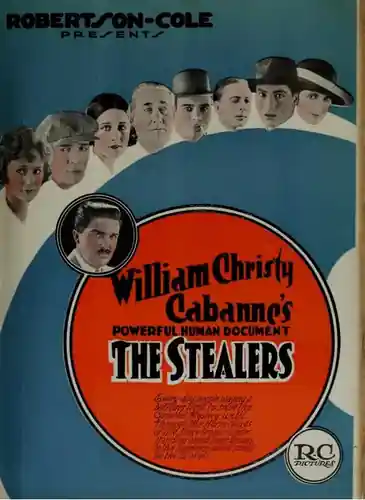
Histories often skip from Old Dutch’s slapstick to Broken Threads’s social realism, ignoring how The Stealers fuses pulp sermon with proto-noir. Its DNA reemerges in everything from Night of the Hunter’s fraudulent preacher to Fargo’s bumbling burglars cloaked in Lutheran niceties. Even von Trier cribbed the lightning-blindness trope for Die Liebe der Bajadere, though he swapped redemption for nihilism.
No DCP exists; 16mm fragments linger in the Library of Congress’s Paper Print vault and at Eye Filmmuseum under the Dutch title Panna Meri. Goopy, high-contrast bootlegs circulate on torrent forums, but a proper restoration awaits some brave boutique label willing to crowdfund.
The Stealers is a celluloid tract scorched by lightning and conscience, a morality tale that refuses to moralize. It entertains, indicts, terrifies, then lifts you—blinking, singed—into daylight. Ninety years before anti-heroes swaggered across cable, Cabanne gave us a villain who literally sees the light, and in that flash the audience, too, is momentarily blinded, forced to fumble toward whatever grace we can pocket.
Rating: 4.5 / 5 lightning bolts. See it with someone whose wallet you’re willing to lose—and maybe, just maybe, to give back.
IMDb —
1919
Community
Log in to comment.