Italy
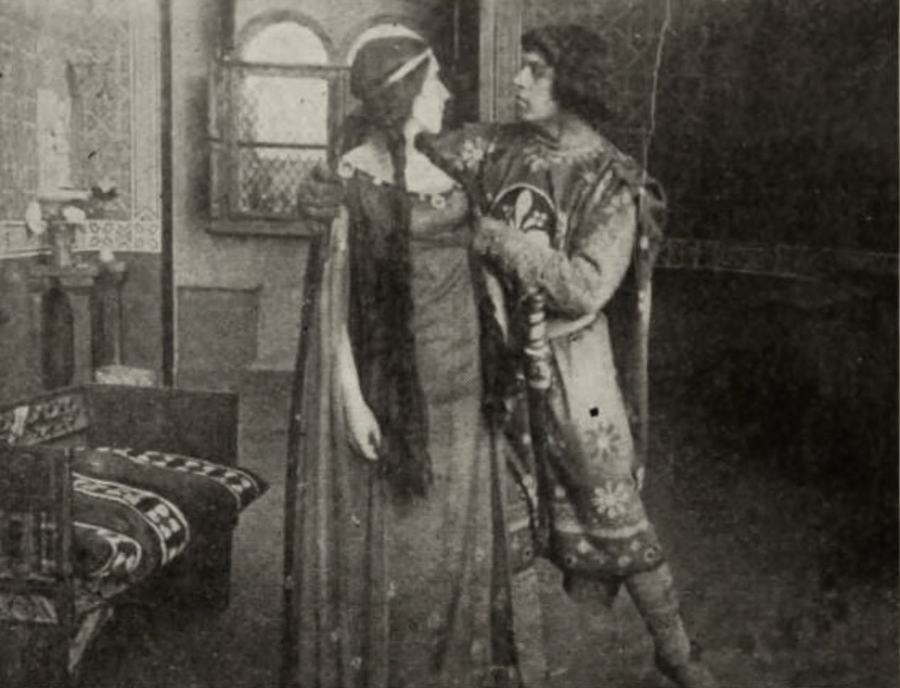
The year 1917 stands as a watershed moment in the evolution of visual storytelling, a period where the nascent language of cinema began to shed its stage-bound shackles in favor of a more visceral, atmospheric vernacular. Il castello del diavolo, or 'The Devil's Castle', emerges from this era not merely as a relic of...

Comparing the cinematic DNA and archive impact of two defining moments in cult history.
Mario Caserini
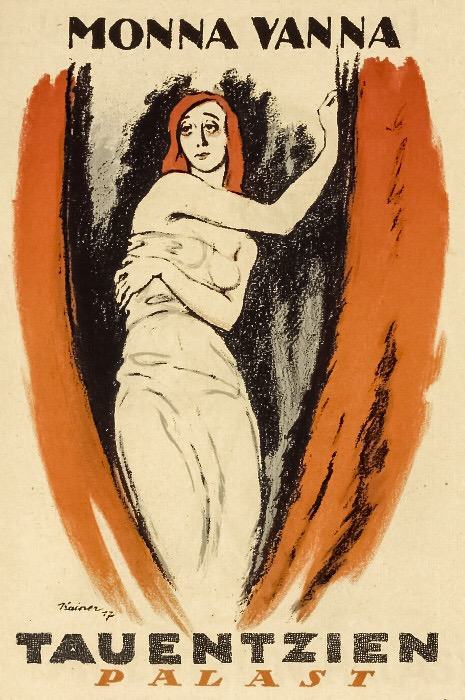
Mario Caserini
Community
Log in to comment.
" The year 1917 stands as a watershed moment in the evolution of visual storytelling, a period where the nascent language of cinema began to shed its stage-bound shackles in favor of a more visceral, atmospheric vernacular. Il castello del diavolo, or 'The Devil's Castle', emerges from this era not merely as a relic of curiosities but as a profound testament to the power of the gothic imagination. While contemporary audiences might be accustomed to the jump-scares of the digital age, de Liguoro’..."
Deep dive into the cult classic
Discover similar cinematic experiences
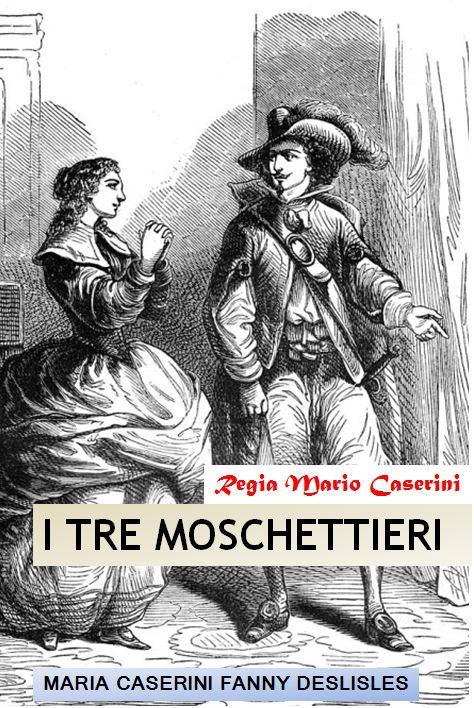
A Directorial Spotlight on Mario Caserini