DbcultAccessing Vault...
6.4/10
Senior Film Conservator
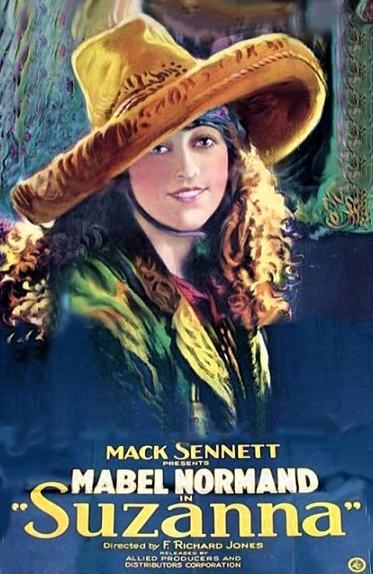
A definitive 6.4/10 rating for a film that redefined the boundaries of cult cinema. Suzanna remains a cornerstone of transgressive art.
The year 1923 marked a pivotal juncture in the evolution of cinematic storytelling, a period where the primitive energy of the nickelodeon began to yield to the sophisticated visual grammars of the feature-length drama. At the heart of this metamorphosis stood Suzanna, a production that ostensibly served as a vehicle for the incomparable Mabel Normand but ultimately functioned as a grander exploration of identity, class stratification, and the romanticized mythos of Old California. Directed with a surprisingly steady hand and written by the legendary Mack Sennett alongside Linton Wells, the film deviates from the frenetic slapstick associated with the Sennett brand, opting instead for a lush, atmospheric melodrama that rivals the emotional depth of contemporary European imports like Vendetta.
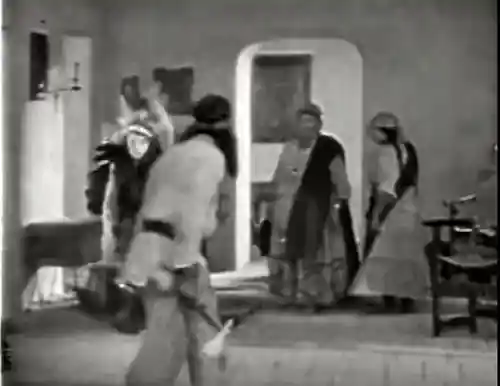
From the opening frames, the cinematography captures the rugged, unvarnished beauty of the California ranchos. This isn't merely a backdrop; it is a character in its own right, exerting a gravitational pull on the inhabitants. The visual language employed here suggests a certain kinship with the rural sensibilities found in Elnémult harangok, where the landscape mirrors the internal desolation or vibrancy of the protagonists. In Suzanna, the sprawling vistas of the Don Fernando and Don Diego estates symbolize the vast, seemingly insurmountable distance between the landed gentry and the peonage. The film utilizes depth of field to emphasize the isolation of Suzanna, often framing her against the horizon to highlight her liminal status—trapped between her humble upbringing and her inherent, though unrecognized, nobility.
Mabel Normand’s performance is a revelation of nuance. Often pigeonholed by her earlier comedic antics, here she displays a range that borders on the transcendental. As Suzanna, she navigates the discovery of her true parentage with a stoic melancholy that avoids the histrionics common to the era. Her silence is not merely a requirement of the medium but a deliberate narrative choice; she carries the weight of the truth like a physical burden. This performance invites comparison to the psychological complexity seen in Die Schuldige, where the protagonist is similarly haunted by a secret past. Normand’s ability to convey a sense of 'otherness'—the feeling of being an interloper in one’s own life—elevates the film from a standard romance to a poignant character study.
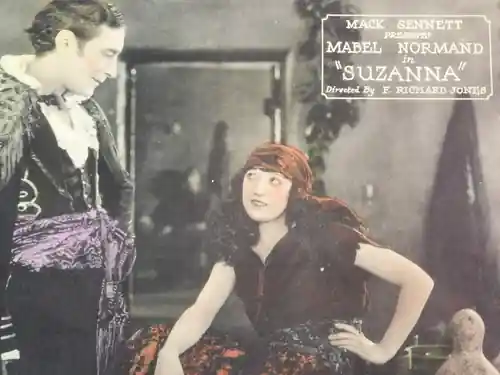
"The genius of Suzanna lies not in its plot twists, but in the silent spaces between the dialogue cards, where the eyes of Mabel Normand articulate a thousand unspoken grievances against a rigid social hierarchy."
While the 'switched at birth' motif is a venerable cliché of Victorian and Edwardian literature, Sennett and Wells infuse it with a specifically American vitality. The stakes are not merely familial but economic. The proposed union of Ramón (the dashing Walter McGrail) and Dolores (the elegant Winifred Bryson) is a business transaction intended to consolidate land and power. By introducing the element of the switch, the film critiques the arbitrary nature of such power. If the 'peon' girl is actually the 'don’s' daughter, then the entire foundation of their social superiority is revealed as a flimsy construct based on nurture rather than nature. This thematic exploration of lineage and social mobility echoes the concerns of Lady Rose's Daughter, yet Suzanna handles these tropes with a more sun-drenched, adventurous spirit reminiscent of Captain Kidd, Jr..

The supporting ensemble provides a robust framework for the central drama. George Nichols as Don Fernando and Eric Mayne as Don Diego embody the patriarchal ego with a blend of pomposity and genuine, if misguided, paternal affection. Their interactions are choreographed with a formality that emphasizes the stagnant nature of their world. Conversely, Léon Bary’s Pancho, the toreador, introduces a kinetic, almost disruptive energy. Pancho represents the allure of the outsider, the man who lives by skill and charisma rather than inherited title. His chemistry with Dolores provides a necessary counterpoint to the more soulful, grounded connection between Ramón and Suzanna. This duality of romantic archetypes is a staple of early cinema, yet it is executed here with a precision that avoids the saccharine pitfalls of Love Aflame.
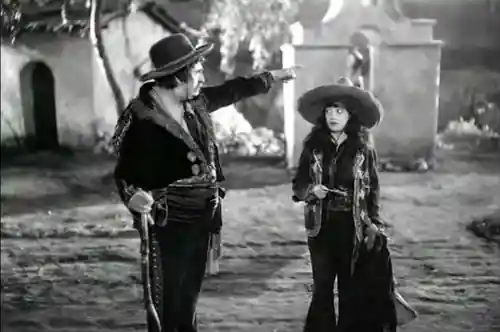
The climax of the film, set at the wedding altar, is a masterclass in tension and release. The sacred space of the mission becomes a theater of insurrection. When Ramón 'steals' Suzanna, it is not merely an act of romantic passion but a rejection of the entire social and religious apparatus that sought to bind them. This sequence is shot with a dynamism that prefigures the great westerns of the coming decades. The movement of the horses, the billowing dust, and the frantic intercutting between the pursuers and the pursued create a sense of urgency that is palpable. It is a moment of pure cinematic adrenaline that contrasts sharply with the measured pacing of the earlier ranch scenes. In this regard, the film shares a certain DNA with the suspenseful maneuvers found in Eugene Aram, where the past and present collide in a singular, violent moment of reckoning.
Technically, Suzanna is a testament to the proficiency of the Mack Sennett studios. The lighting, particularly in the interior hacienda scenes, utilizes shadows to create a sense of domestic intimacy and, occasionally, foreboding. The use of natural light in the outdoor sequences captures the specific 'golden hour' glow of the California coast, lending the film a dreamlike, almost mythic quality. The editing is crisp, avoiding the languidness that often plagued longer features of the early 20s. While it may not possess the experimental fervor of Dionysus' Anger or the surrealist undertones of Das große Licht, its technical competence serves the narrative with an invisible, yet effective, grace.
Looking back from a century's distance, Suzanna remains a fascinating artifact of a lost era. It captures a version of California that was already disappearing when the cameras were rolling—a world of missions, vaqueros, and land grants. Beyond its historical value, the film stands as a defense of the individual against the collective. Suzanna’s initial silence is an act of self-sacrifice for the sake of communal peace, but Ramón’s rebellion proves that such peace is hollow if built on a lie. This resolution is far more satisfying than the often-convoluted endings of films like Seelam Aleikum or the moral ambiguity of The Woman Michael Married.
The film also offers an interesting point of comparison with international works like Thomas Graals bästa barn in its depiction of domestic expectations and the subversion thereof. While the Swedish film approaches these themes through a lens of sophisticated comedy, Suzanna remains firmly rooted in the tradition of the American melodrama. It is a work that demands to be viewed not just as a 'silent movie,' but as a vital piece of storytelling that grapples with the eternal questions of who we are versus who the world expects us to be. Even when compared to the youthful idealism of The Little Boy Scout or the regal duties explored in Long Live the King, Suzanna maintains a unique earthiness and a genuine emotional core.
In the final analysis, Suzanna is a triumph for Mabel Normand and a sophisticated entry in the Mack Sennett filmography. It balances the requirements of a popular romance with a deeper, more cynical look at the structures of society. The film’s ability to evoke empathy for its characters, despite the somewhat fantastical nature of the 'switched at birth' plot, is a testament to the quality of the writing and the sincerity of the performances. It avoids the melodramatic excesses of Ártatlan vagyok! and instead finds beauty in the quietude of its pastoral setting and the intensity of its central romance. For those seeking to understand the transition of early cinema into a mature art form, Suzanna is an essential, if often overlooked, milestone.
IMDb —
1933
Community
Log in to comment.