Summary
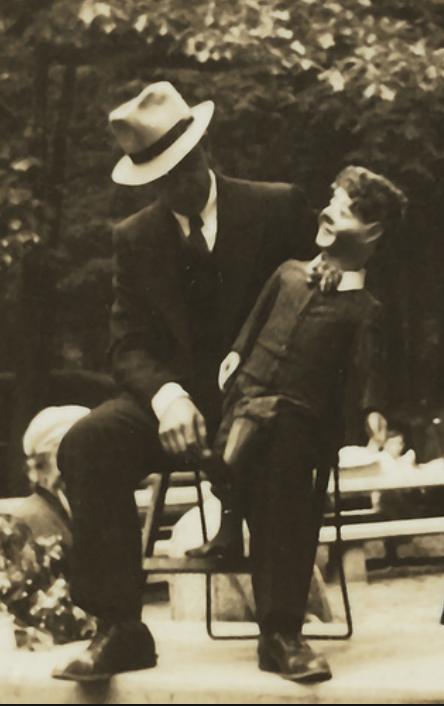
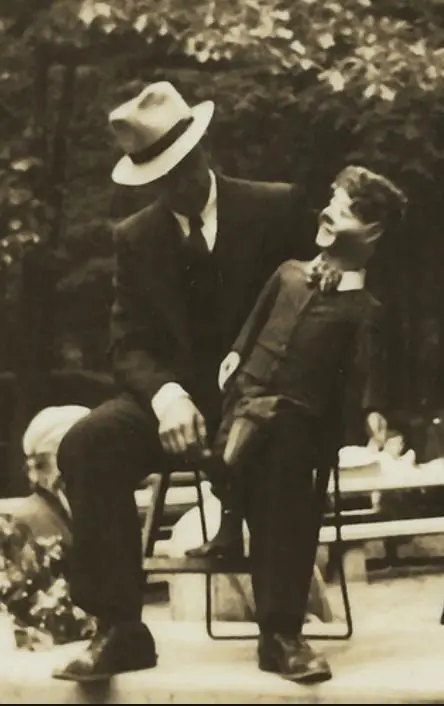
In a gas-lit Turin where carnival confetti whirls like moral fallout, Il ventriloquo follows Domenico Serra’s haunted vaudevillian who pockets a cursed wooden dummy rumored to speak the unspeakable sins of whoever holds it. The marionette’s porcelain grin becomes a cracked mirror for the city’s elite: a countess who bankrolls séances, a bankrupt banker forging futures, a street urchin trading innocence for applause. Each midnight performance tightens the strings until the puppet appears to breathe, reversing roles so the master’s own ventriloquial voice emerges from the doll’s mouth, confessing arson, infidelity, patricide. Serra’s composure frays; his jaw twitches as though hinged, his eyes glaze with the lacquer of the dummy’s face. Lola Visconti-Brignone’s cinematographer-lover attempts to expose the hoax, but her celluloid evidence combusts in a projector’s flare, the flames spelling out a prophetic epitaph. Rino Melis, a detective with a stutter that makes every interrogation sound like broken Morse, chases echoes through arcades and anatomy museums where wax figures sweat under the gaze of the living. The chase culminates inside a shuttered opera house: footlights flicker, the orchestra pit yawns like a mass grave, and the dummy delivers its final monologue from the mezzanine, dangling by a single crimson thread. When the curtain falls, the audience—now a jury—finds only Serra’s lifeless body slumped center-stage, lips stitched with catgut, yet the voice persists, ventriloquized through the rafters, indicting everyone who ever paid to watch another soul deformed for entertainment.
Review Excerpt
"
The first time I watched Il ventriloquo I kept checking the corners of my living-room for a second shadow—one that moved without me. No other silent shocker has crawled so confidently under the skin of spectatorship itself.
Xavier de Montépin’s screenplay, usually pulp on the cheap, here feels like a confession scrawled by a sleepless magistrate: every line a scar, every pause a verdict. The plot’s skeleton—man acquires dummy, dummy acquires conscience—sounds familiar until you notice the inve..."