DbcultAccessing Vault...
5.9/10
Senior Film Conservator
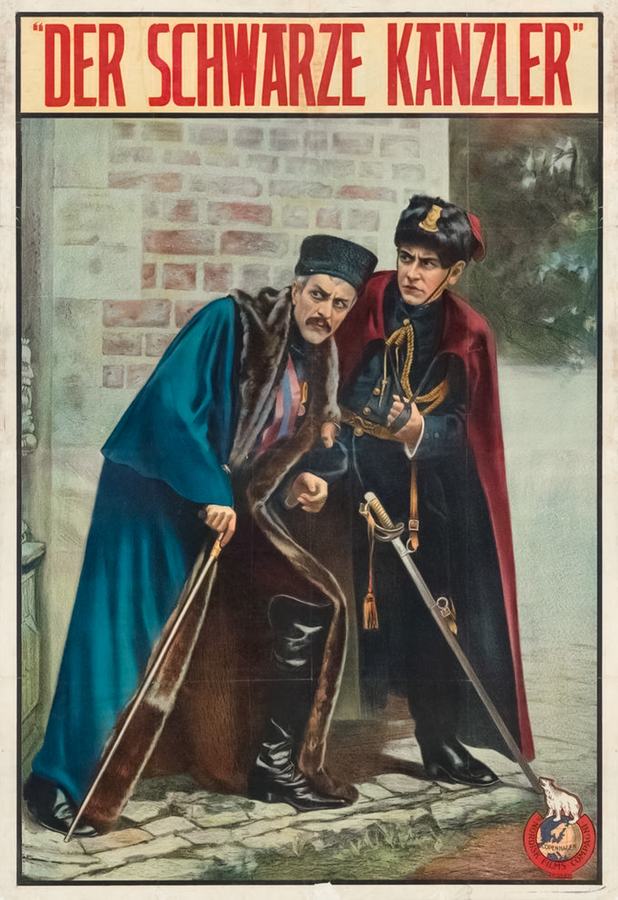
A definitive 5.9/10 rating for a film that redefined the boundaries of cult cinema. The Black Chancellor remains a cornerstone of transgressive art.
To approach The Black Chancellor (1912) is to step into the zenith of the Danish Golden Age of cinema, a period where the Nordisk Film Kompagni dictated the visual grammar of global melodrama. Unlike the staccato pacing of contemporary American shorts or the biblical grandiosity found in The Life and Passion of Jesus Christ, this film operates with a sophisticated, slow-burn tension. It is a work of profound psychological layering, where the sets themselves—heavy with velvet and shadows—seem to conspire against the protagonists. The narrative doesn't merely present a conflict; it constructs a claustrophobic environment where the Chancellor’s will is the only oxygen available.
One cannot discuss this era without acknowledging the gravitational pull of Valdemar Psilander. By 1912, Psilander had become the world's first true male cinematic icon, possessing a face that could convey a thousand pages of Christian Schrøder’s script with a single, weary blink. In The Black Chancellor, his presence provides the necessary counterweight to the titular antagonist. While the Chancellor represents the 'Black'—the void of empathy and the darkness of state control—Psilander’s Pawlow represents the flickering candle of human autonomy. His performance here avoids the histrionic flailing common in early cinema, opting instead for a brooding interiority that makes the eventual eruption of conflict feel earned rather than manufactured.
The chemistry between Psilander and Ebba Thomsen (Princess Irene) is palpable, even across the century-long gulf of time. Thomsen portrays Irene not as a passive damsel, but as a woman navigating a minefield of social expectations. Her defiance is quiet, rooted in a desperate search for agency. When compared to the more theatrical performances in Hamlet, Prince of Denmark, Thomsen’s work feels startlingly modern, anticipating the psychological realism that would later define the medium.
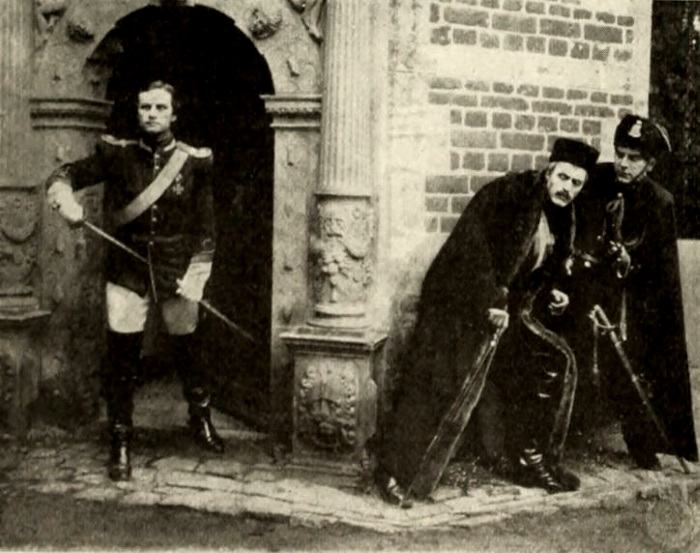
The cinematography in The Black Chancellor utilizes the 'tableau' style with surgical precision. Each frame is a carefully curated painting, where the placement of characters denotes their relative power. The Chancellor often occupies the foreground, his silhouette looming over the smaller, more fragile figures of the lovers in the background. This use of deep space creates a visual metaphor for his omnipresence. It is a technique far more advanced than the flat, stage-like compositions seen in earlier works like The Story of the Kelly Gang.
Furthermore, the lighting—though primitive by modern standards—is used to exceptional effect. The 'Nordisk lighting' style, characterized by a penchant for low-key illumination and high contrast, heightens the sense of dread. In the scenes where the Chancellor’s rage boils over, the shadows seem to lengthen, swallowing the ornate furniture and leaving only his piercing eyes visible. This chiaroscuro effect was a precursor to German Expressionism, showing that the Danes were already experimenting with the psychology of light long before the UFA studios were even a concept.
When we place The Black Chancellor alongside its contemporaries, its sophistication becomes even more apparent. While 1911 and 1912 saw a plethora of sensationalist films like A Victim of the Mormons, which relied on shock value and tabloid-style pacing, The Black Chancellor is a more intellectual exercise. It shares a certain DNA with Den sorte drøm, another Psilander vehicle, in its preoccupation with doomed love and social stratification, yet it pushes the political stakes much higher. The film isn't just about a broken heart; it's about the breaking of a crown.
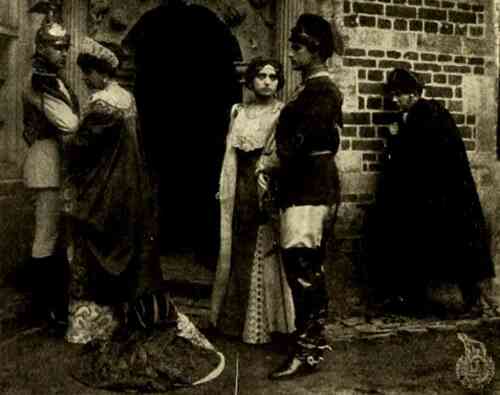
In many ways, the film acts as a bridge between the 19th-century stage melodrama and the 20th-century political thriller. It lacks the sprawling, episodic nature of The Life of Moses, choosing instead a tight, focused narrative that centers on a few key locations. This economy of storytelling allows for a deeper exploration of the Chancellor’s psyche. He is a man who has confused the survival of the state with the survival of his own ego, a theme that resonates as much today as it did on the eve of the Great War.
The sequence involving the secret marriage is the film’s emotional and technical centerpiece. The tension is built not through rapid cutting, but through the accumulation of detail: the nervous glance of the priest, the heavy clinking of the door latches, and the distant sound of the Chancellor’s approach (rendered visually through the reactions of the characters). When the discovery occurs, the shift from romance to terror is instantaneous. The Chancellor’s rage is not merely a personal affront; it is a systemic failure. The film cleverly uses the wedding—a symbol of union—to highlight the ultimate division between the ruling class and the human spirit.
The resolution of the film avoids the easy, saccharine endings often found in the era's smaller productions. There is a lingering sense of melancholy, a recognition that while love might survive, it is forever scarred by the touch of the 'Black Chancellor.' This nuance is what elevates the film from a simple 'meller' to a piece of enduring art. It understands that power, once exerted, leaves an indelible mark on the landscape of the soul.
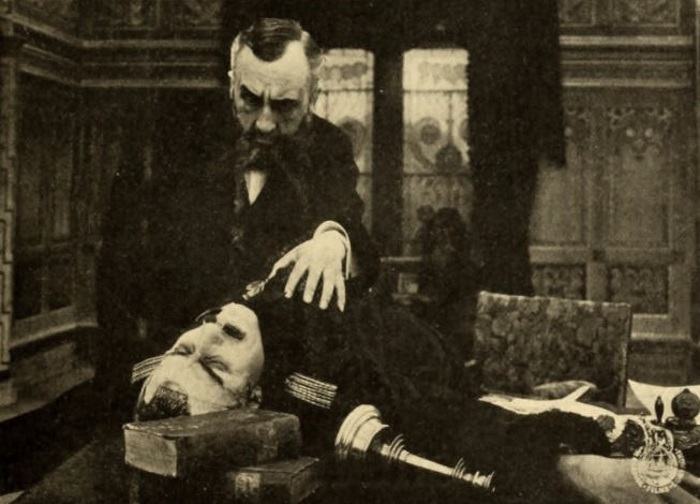
Revisiting The Black Chancellor in the 21st century requires a recalibration of our cinematic expectations, but the rewards are immense. It is a masterclass in atmosphere and a testament to the power of the silent image. In an age where we are bombarded by CGI and frenetic editing, there is something deeply restorative about watching a film that trusts its actors and its audience enough to let a scene breathe. The collaboration between Christian Schrøder’s tight writing and the formidable cast creates a synergy that few films of the 1910s could match.
The film stands as a monolith of the Danish contribution to cinema, a reminder that before Hollywood became the center of the universe, Copenhagen was the forge where the future of the medium was being hammered out. It is a film of dark beauty, sharp intellect, and a visceral understanding of the human condition. For any serious student of film history, or anyone who simply appreciates a story well-told, The Black Chancellor remains essential viewing—a shadow that still looms large over the history of the silver screen.
Reviewer Note: This analysis considers the 1912 release within the context of the Nordisk Film Kompagni's peak output and the global stardom of Valdemar Psilander.
IMDb 7
1932
Community
Log in to comment.