Japan
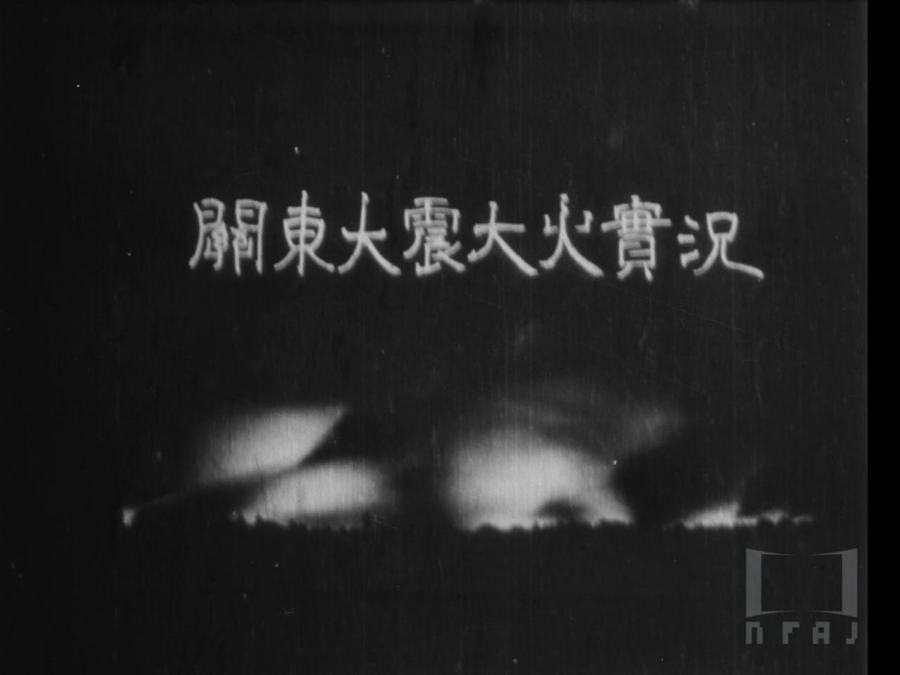
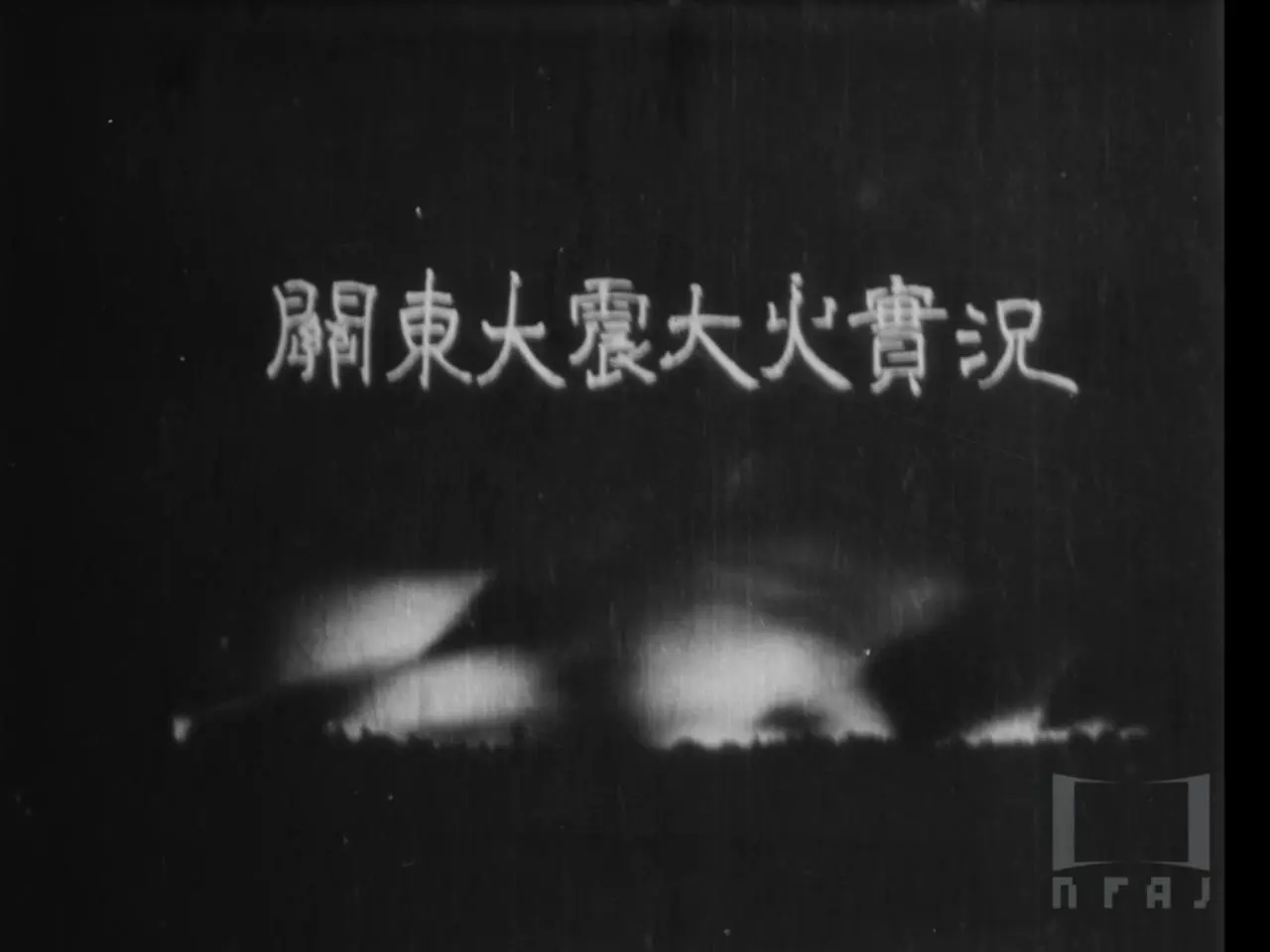
The year 1923 remains etched in the collective psyche of Japan not through the flowery prose of its poets, but through the jagged, flickering frames of Kantou daishin taika jikkyou. This is not cinema as entertainment; it is cinema as an act of desperate preservation. When the earth buckled and the subsequent firest...
still_frame

Comparing the cinematic DNA and archive impact of two defining moments in cult history.
Unknown Director

Unknown Director
Community
Log in to comment.
" The year 1923 remains etched in the collective psyche of Japan not through the flowery prose of its poets, but through the jagged, flickering frames of Kantou daishin taika jikkyou. This is not cinema as entertainment; it is cinema as an act of desperate preservation. When the earth buckled and the subsequent firestorms consumed the wooden arteries of Tokyo, the camera became a silent witness to an apocalypse that felt both prehistoric and terrifyingly modern. To watch this film today is to e..."