DbcultAccessing Vault...
Cult Review
Senior Film Conservator
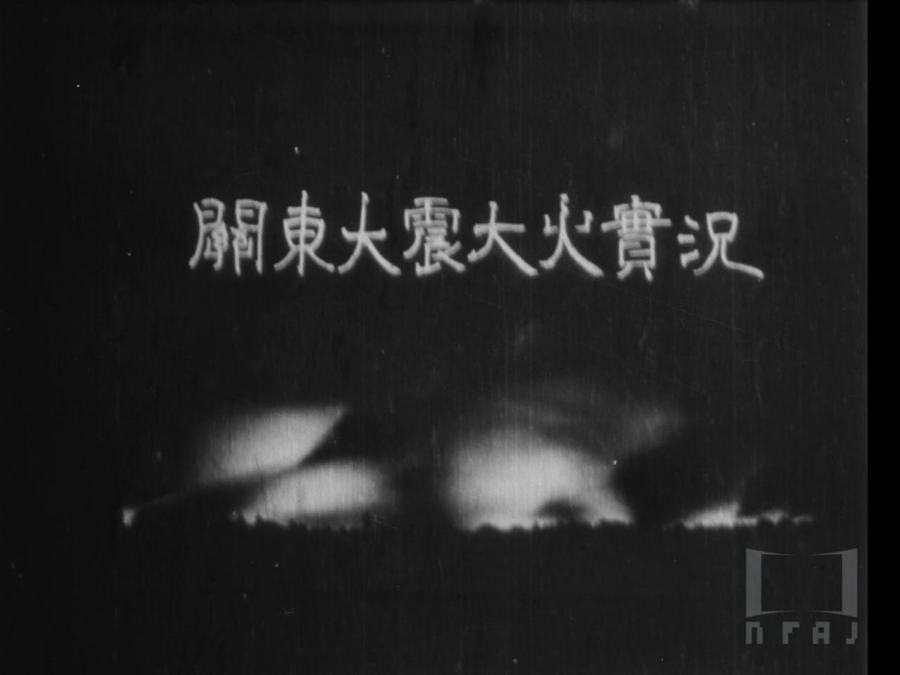
The year 1923 remains etched in the collective psyche of Japan not through the flowery prose of its poets, but through the jagged, flickering frames of Kantou daishin taika jikkyou. This is not cinema as entertainment; it is cinema as an act of desperate preservation. When the earth buckled and the subsequent firestorms consumed the wooden arteries of Tokyo, the camera became a silent witness to an apocalypse that felt both prehistoric and terrifyingly modern. To watch this film today is to engage in a form of temporal voyeurism, peering through a century of dust at a world being erased in real-time.
The visual language of Kantou daishin taika jikkyou is dictated by necessity and chaos. There is no refined framing here, none of the painterly compositions one might find in Sotto i ponti di Parigi. Instead, the cinematography is frantic, hand-cranked with a palpable sense of urgency that mirrors the frantic heartbeat of a fleeing populace. The exposure fluctuates, sometimes bleaching the sky into a blinding white void, other times plunging the ruins into a muddy, sepia-toned darkness. This technical instability only heightens the film's authenticity; the camera itself seems shaken by the seismic aftershocks.
We see the Ryōunkaku, Japan's first Western-style skyscraper, snapped like a brittle twig. The sight is jarring, representing the physical collapse of Taishō-era optimism. The film lingers on the charred remains of the Sumida River bridges, where thousands sought refuge only to be trapped by the fire-whirls. It is a stark contrast to the romanticized struggles of European cinema like Bohème - Künstlerliebe, where tragedy is often softened by melodic orchestration and staged pathos. Here, the tragedy is silent, massive, and indifferent.
The human element in Kantou daishin taika jikkyou is perhaps its most arresting feature. The survivors do not perform for the lens. They move with a dazed, mechanical gait—a phenomenon later identified as trauma, but here captured in its raw, nascent state. We see families huddled amidst the rubble of their lives, their faces smeared with soot, eyes wide with a thousand-yard stare that pierces the fourth wall. These are not the curated characters of Doloretes or the moralistic figures in The Great Accident; these are ghosts in the making.
To understand the impact of this footage, one must look at the cinematic landscape of the early 1920s. While films like Itching Palms or The Hayseed were providing lighthearted escapism, Kantou daishin taika jikkyou was a brutal reassertion of reality. It shares a certain grim fascination with Die goldene Pest, which explored the metaphorical rot of society, yet the Japanese newsreel bypasses metaphor for the literal rot of a city's corpse.
The film also functions as a precursor to the modern disaster documentary. It lacks the didacticism of later propaganda but possesses a quiet, observational power. There is no score—unless one considers the whirring of the projector a part of the experience—which forces the viewer to confront the images without emotional guidance. This lack of mediation makes the horror more acute. When we see the ruins of a school or a temple, we are not told how to feel; the void left by the destruction speaks for itself. It is far more haunting than the domestic dramas of The Family Cupboard or the social critiques of According to the Code.
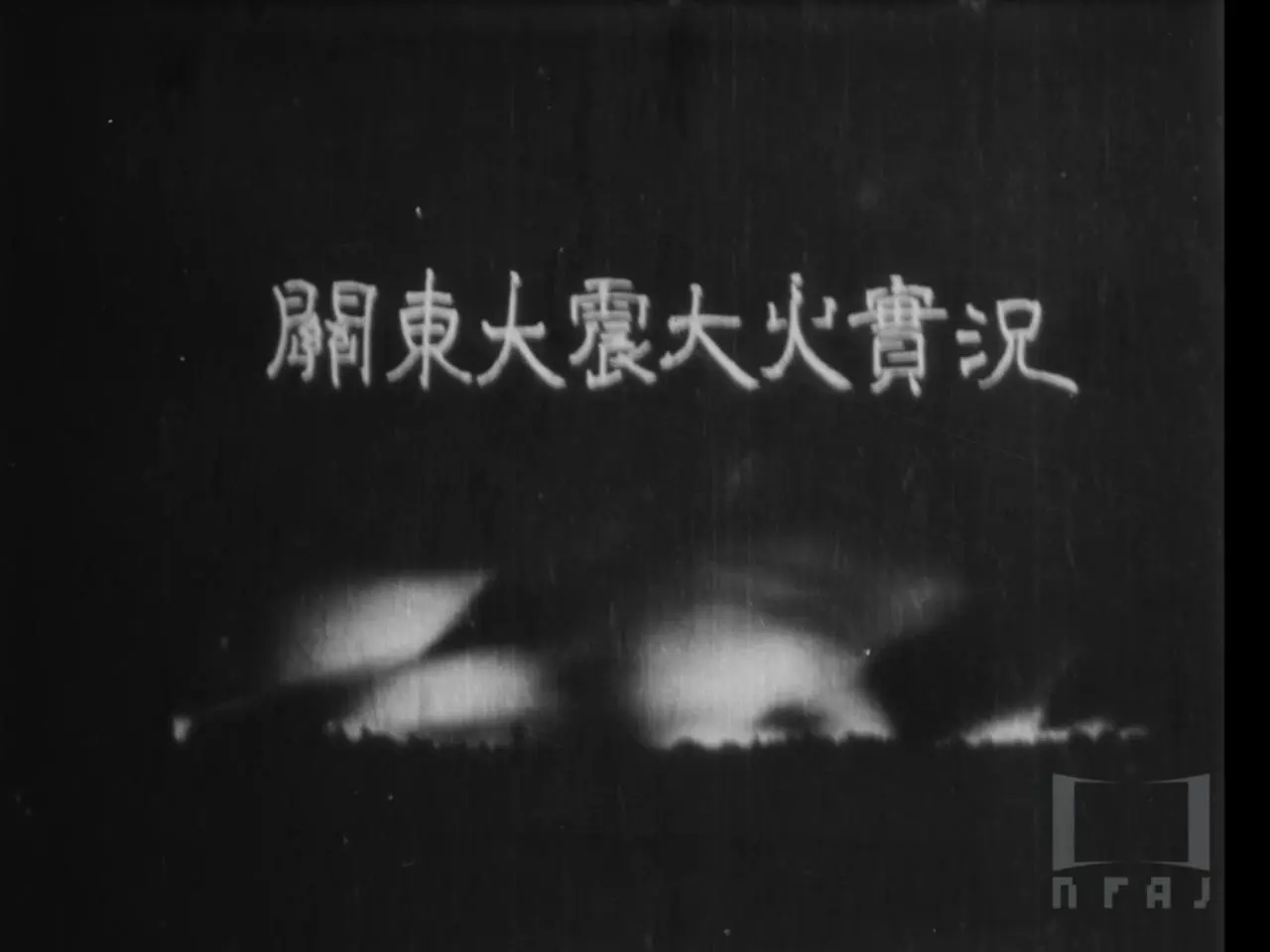
Historically, these screenings would have been accompanied by a benshi, a narrator who would provide context and emotional resonance to the silent images. In the absence of that live performance, the film feels even more spectral. We are left with the visual evidence alone, a series of tableaus that feel like they were unearthed from a tomb. Unlike the narrative structure of Byl první máj, there is no beginning, middle, or end—only the persistent 'now' of the catastrophe.
The film's existence is also a miracle of preservation. Nitrate film is notoriously unstable, prone to spontaneous combustion—a poetic irony given the subject matter. That these images of fire survived the very medium that is defined by its flammability is a testament to the archival importance placed on this record. It serves as a bridge between the mythological tragedies of films like Behula and the lived reality of the Japanese people.
There is a philosophical weight to Kantou daishin taika jikkyou that transcends its historical value. It is a meditation on mono no aware—the pathos of things. The fleeting nature of beauty and the inevitability of decay are presented here not as poetic concepts, but as physical facts. The juxtaposition of sophisticated urban planning and the absolute randomness of the earthquake’s destruction creates a profound sense of existential dread. It makes the domestic concerns of En hustru till låns or the trivialities of Dining Room, Kitchen and Sink feel like artifacts from a different planet.
Even when compared to contemporary American shorts like Beatrice Fairfax Episode 12: Curiosity, the gravity of this newsreel is staggering. It isn't just documenting a disaster; it is documenting the birth of a new Japan, one that would be built on the ashes of the old, with a newfound awareness of its own vulnerability. The film captures the transition from the ornate, Victorian-influenced architecture to the more utilitarian, earthquake-resistant designs that would define the Shōwa era.
Ultimately, Kantou daishin taika jikkyou is a difficult watch, but an essential one. It strips cinema of its glamour and returns it to its most primal function: to see. It does not offer the comfort of a resolved plot like Assigned to His Wife. It offers only the truth of the lens. The flickering light on the screen is the light of a world that no longer exists, captured in the very moment of its vanishing. It is a masterpiece of the accidental, a symphony of the shattered, and a vital reminder of the power of the moving image to hold the line against oblivion.
For those interested in the evolution of documentary filmmaking or the history of early 20th-century Japan, this film is not merely a reference point—it is the foundation upon which much of our modern understanding of disaster media is built. Its influence can be seen in every handheld camera shot of a breaking news event today, proving that while cities can be rebuilt, the visual memory of their fall is eternal.

IMDb —
1929
Community
Log in to comment.