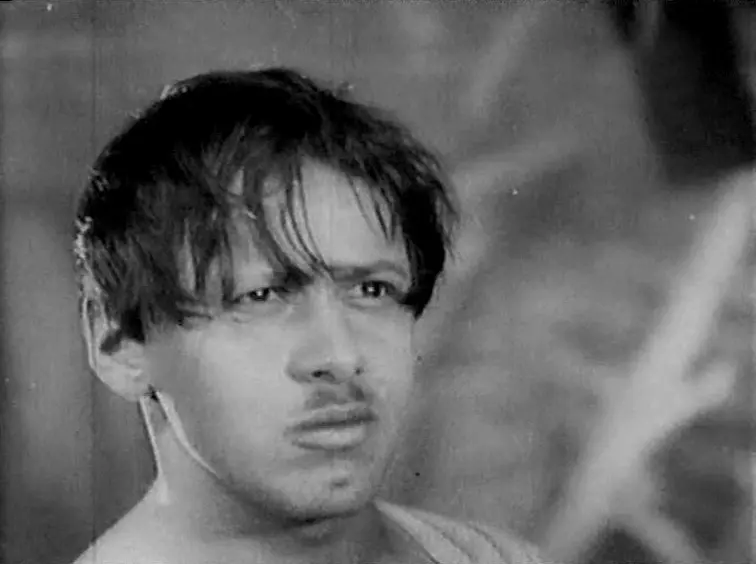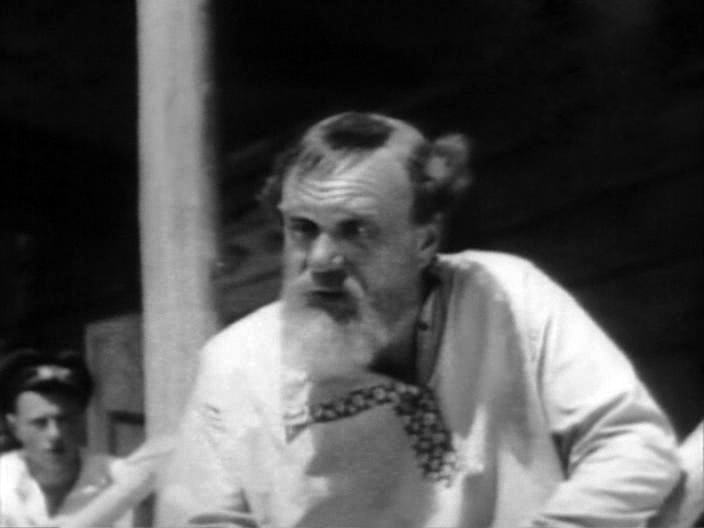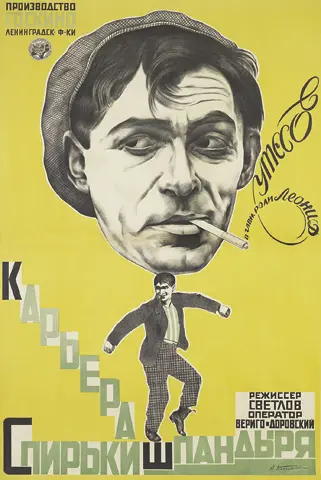
Karera Spirki Shpandyrya Review: A Forgotten Soviet Satire Rediscovered
Should you track down this 1926 Soviet curiosity? Short answer: yes, but only if you have a stomach for the flickering, silent chaos of a world being rebuilt from scratch. This is a film for those who find the dark humor of the New Economic Policy (NEP) more interesting than the stiff propaganda of the 1930s; it is def...
The movie Karera Spirki Shpandyrya was directed by Boris Svetlov.
Karera Spirki Shpandyrya was released in the year 1926.
Karera Spirki Shpandyrya has an IMDb rating of 5.9 out of 10.
Karera Spirki Shpandyrya is a movie from Soviet Union.
Karera Spirki Shpandyrya is categorised as Comedy in the cult cinema archive at Dbcult.
Karera Spirki Shpandyrya features Mili Taut-Korso, Nina Zheleznova, Nikolai Shmidtgof, Nikolai Gorodnichev.
The screenplay for Karera Spirki Shpandyrya was written by G. Batargin.
If you enjoy Karera Spirki Shpandyrya, you might also like Neft vä milyonlar sältänätindä (1916), Striking Models (1920), A Fitting Gift (1920), The Amazing Quest of Mr. Ernest Bliss (1920).
Yes, Karera Spirki Shpandyrya (1926) is featured in the Dbcult archive as a curated cult cinema title, known for its Comedy qualities.
A biting relic of the NEP era, Karera Spirki Shpandyrya chronicles the opportunistic ascent of a petty thief who finds the moral vacuum of early Soviet capitalism surprisingly hospitable. The film follows Spirka, a bottom-rung swindler whose survival instincts are perfectly calibrated for a society in flux. Rather than a moralistic tale of redemption, the narrative functions as a cynical observation of how easily a 'shlyapa' (hat) and a polished suit can mask a criminal soul. As Spirka navigates the underground markets and social circles of 1920s Leningrad, the film exposes the friction between revolutionary ideals and the persistent greed of the human condition. It is less a celebration of the new order and more a frantic, comedic document of the chaos left in the wake of the Russian Civil War.
Review Excerpt
"Should you track down this 1926 Soviet curiosity? Short answer: yes, but only if you have a stomach for the flickering, silent chaos of a world being rebuilt from scratch. This is a film for those who find the dark humor of the New Economic Policy (NEP) more interesting than the stiff propaganda of the 1930s; it is definitely not for viewers who require high-definition polish or a clear-cut hero to root for.
This film works because Leonid Utyosov brings a frantic, proto-jazz energy to the scree..."