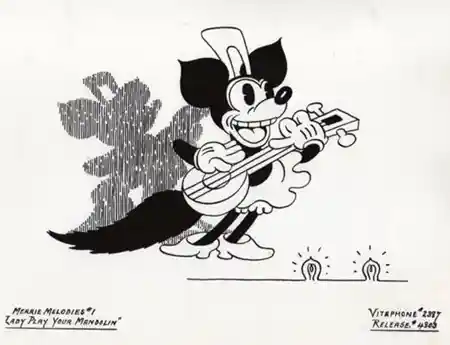
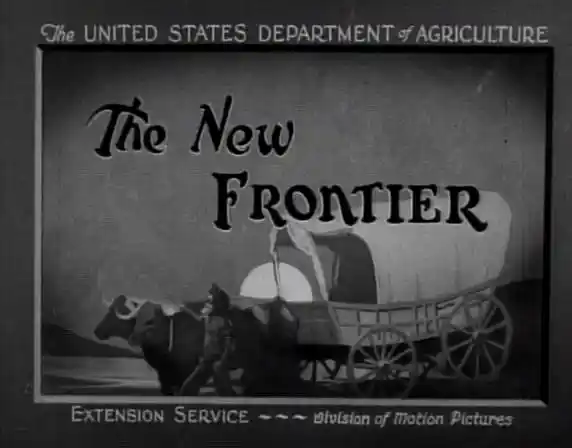
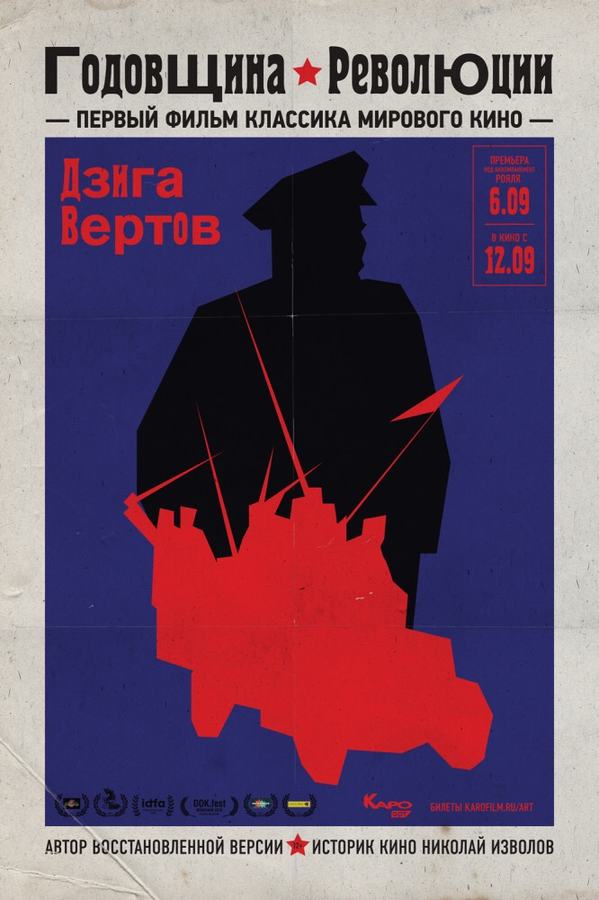
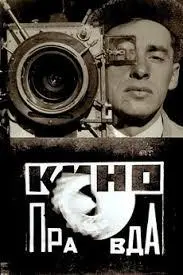
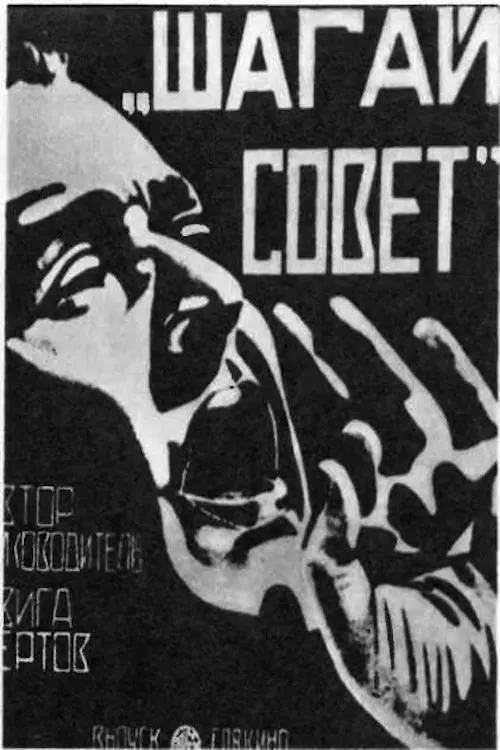
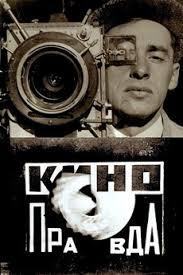
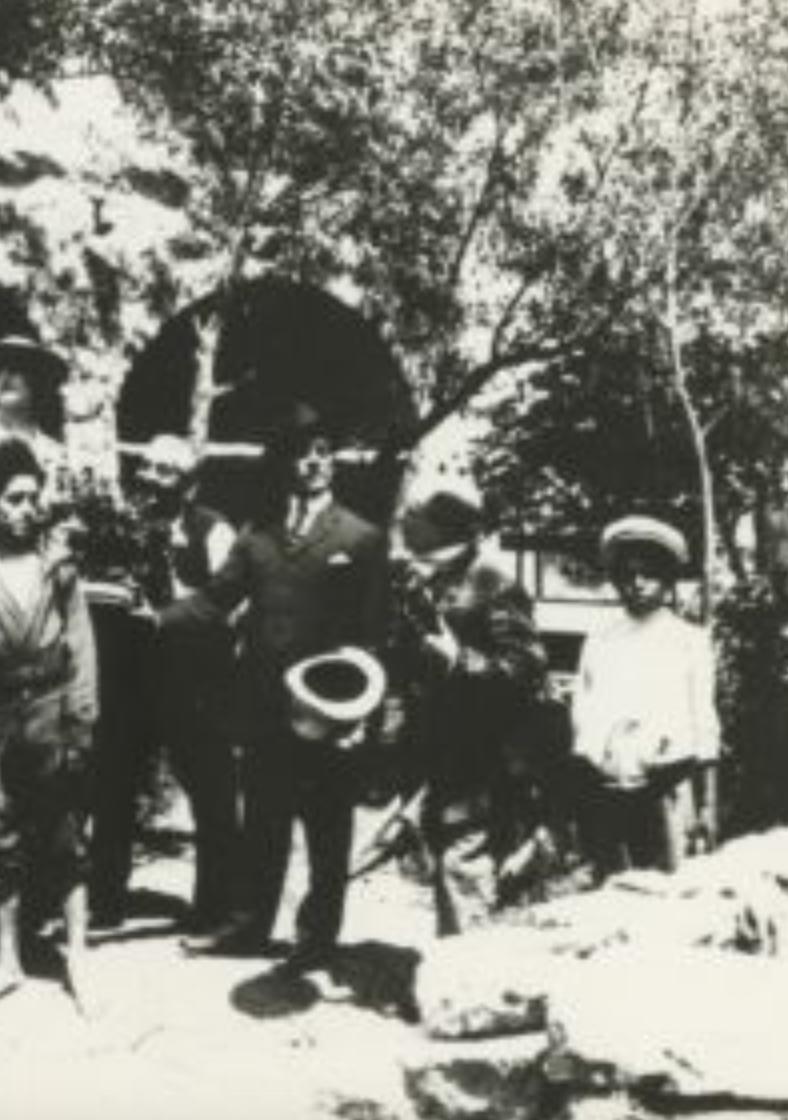
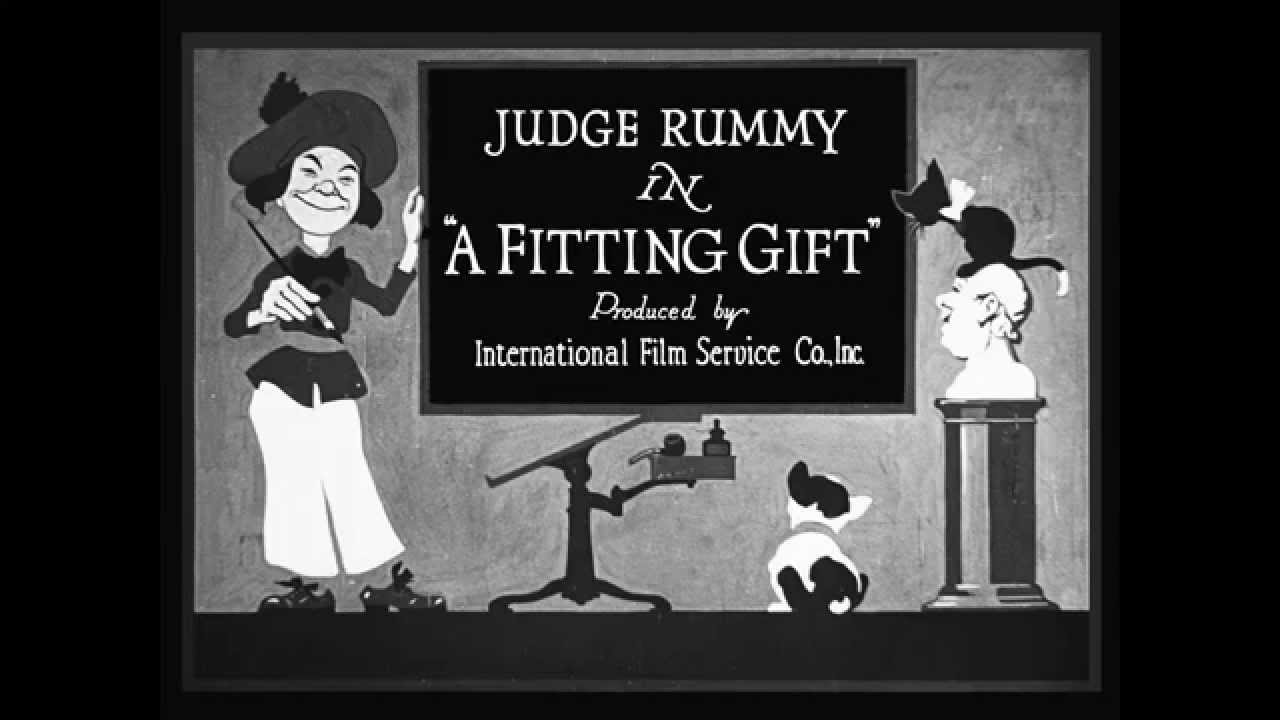
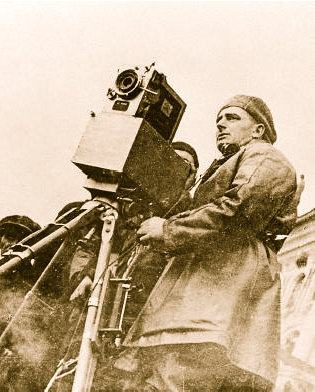
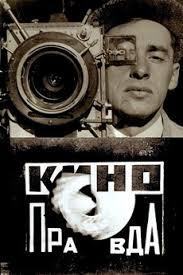
A series of newsreel films from Dziga Vertov, Elizaveta Svilova, and Mikhail Kaufman which document Russian Life in the early 1920s..
Soviet Union
h2{color:#C2410C;font-size:1.8em;margin:1.5em 0 .4em 0;border-left:4px solid #EAB308;padding-left:.6em;} h3{color:#0E7490;font-size:1.3em;margin:1.2em 0 .3em 0;} p{line-height:1.7;margin:0 0 1.2em 0;text-align:justify;} strong{color:#EAB308;font-weight:600;} em{color:#0E7490;font-style:italic;} blockquote...
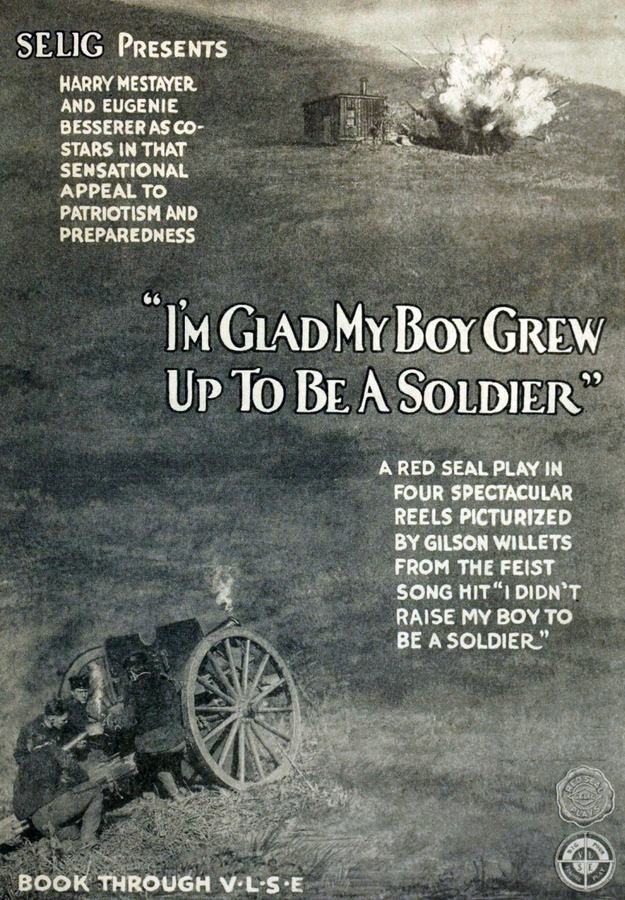
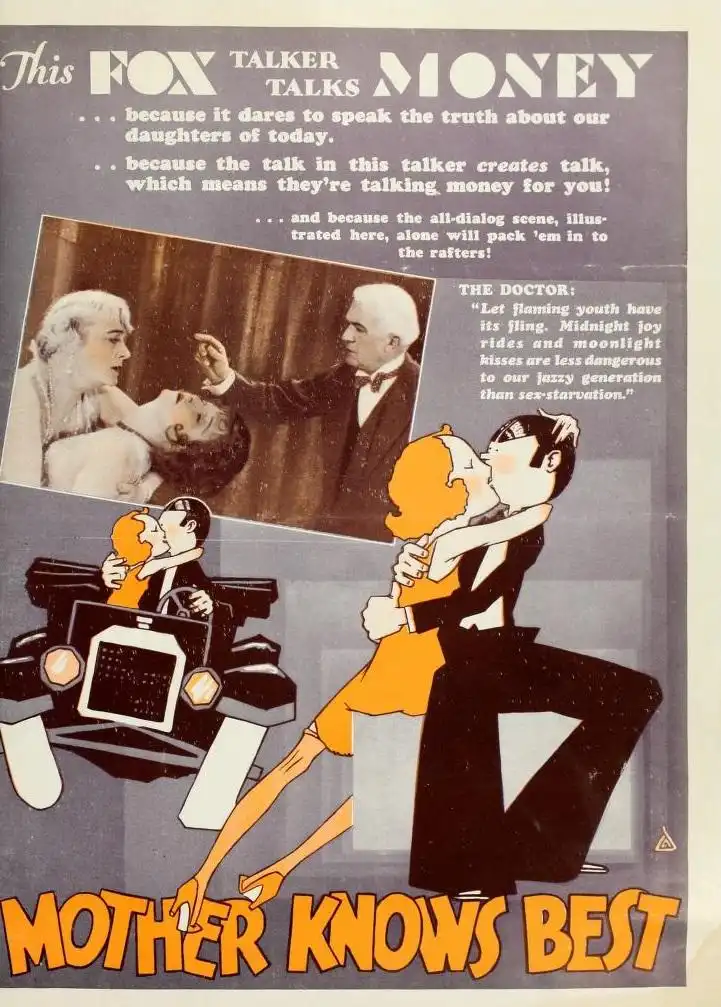
Comparing the cinematic DNA and archive impact of two defining moments in cult history.
Dziga Vertov
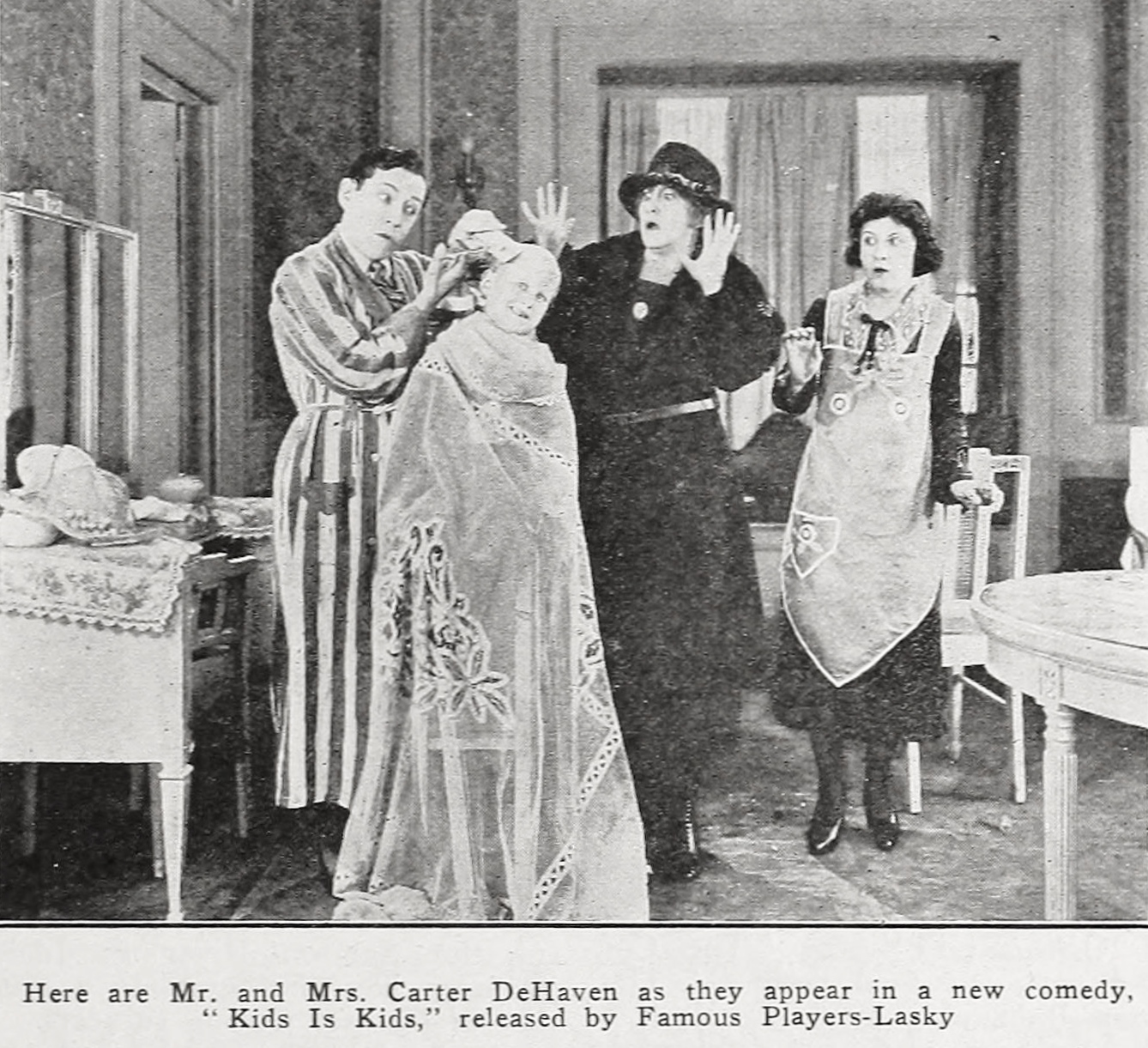
Charley Chase
Community
Log in to comment.
" h2{color:#C2410C;font-size:1.8em;margin:1.5em 0 .4em 0;border-left:4px solid #EAB308;padding-left:.6em;} h3{color:#0E7490;font-size:1.3em;margin:1.2em 0 .3em 0;} p{line-height:1.7;margin:0 0 1.2em 0;text-align:justify;} strong{color:#EAB308;font-weight:600;} em{color:#0E7490;font-style:italic;} blockquote{background:#0E749022;border-left:3px solid #C2410C;margin:1.2em 0;padding:.8em 1.2em;font-size:.95em;font-style:italic;color:#EAB308;} .pullquote{font-size:1.4em;text-align:cent..."