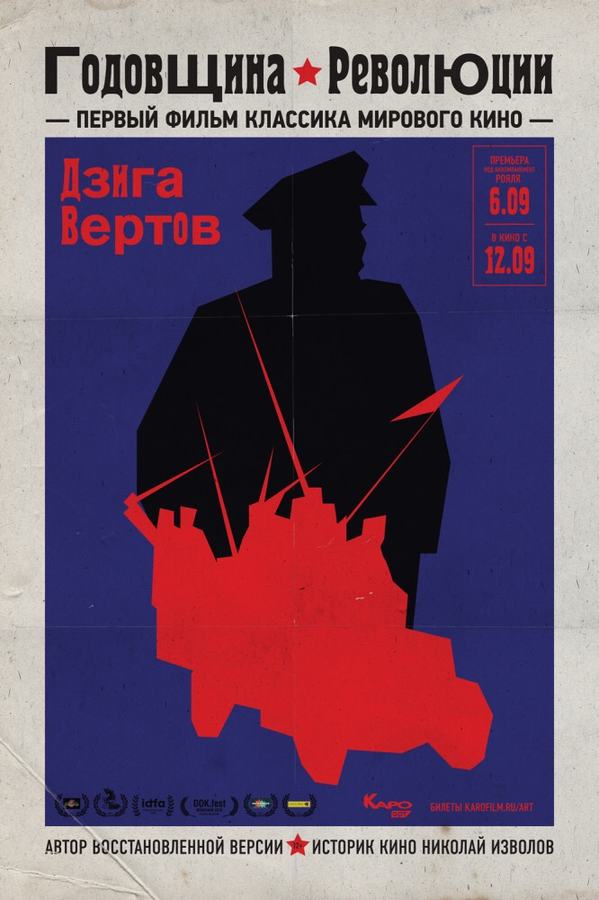
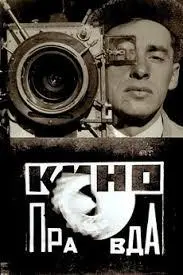
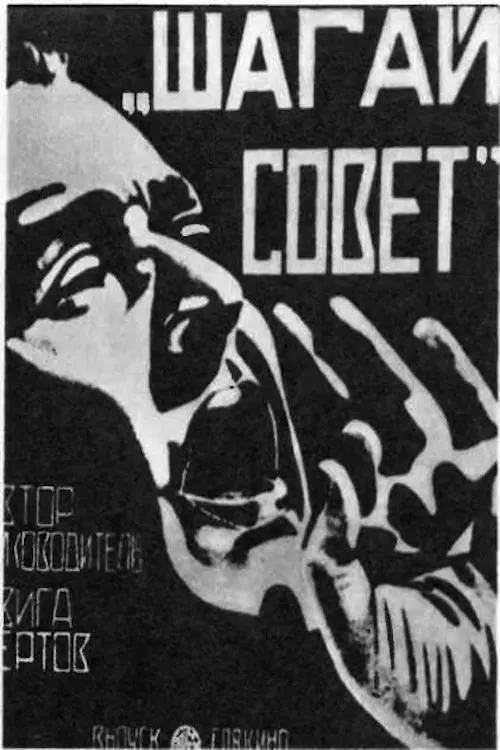
A series of newsreel films from Dziga Vertov, Elizaveta Svilova, and Mikhail Kaufman which document Russian Life in the early 1920s..
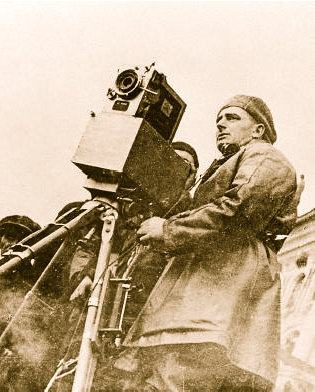
Dziga Vertov
Soviet Union
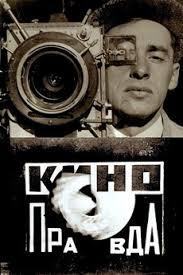
Vertov’s thirteenth Kino-Pravda is less a film than a live grenade hurled into the palace of linear narrative. You don’t watch it; you survive its shrapnel. Strip away the polite word newsreel and what remains is a kinetic assault: spliced chronicles of 1922 Petrograd where frost-rimed streetcars screech past banners...
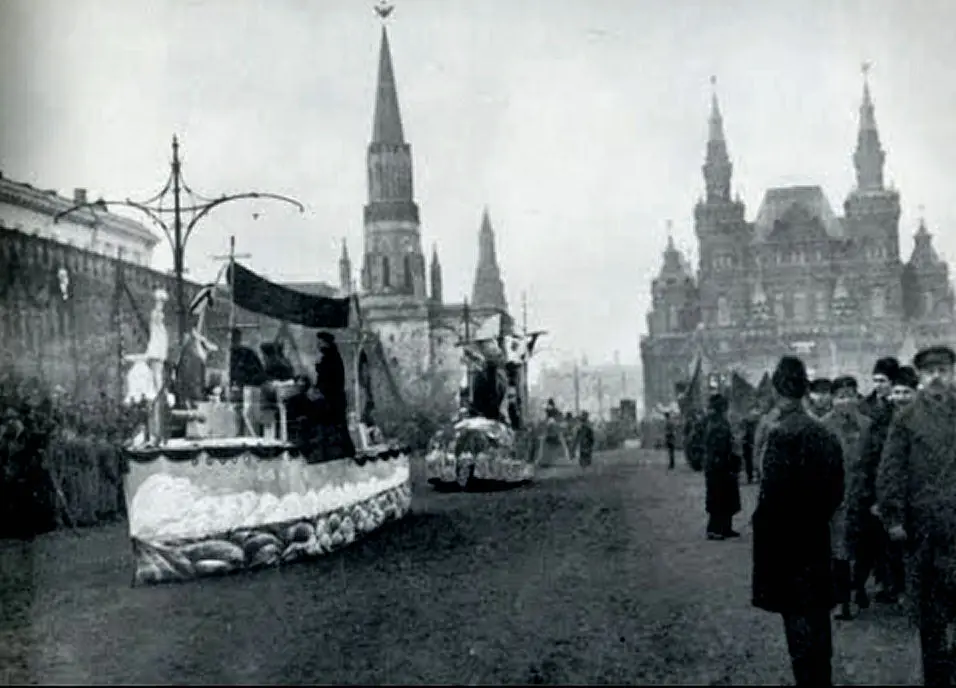
still_frame
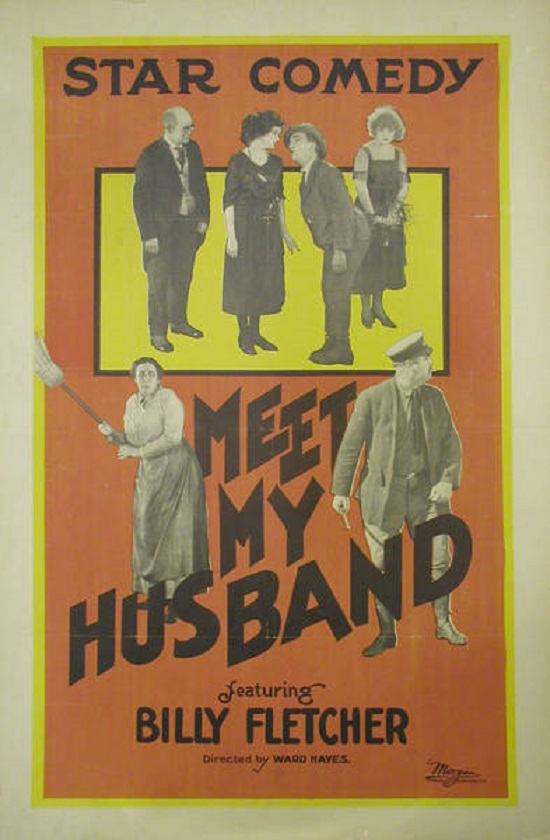
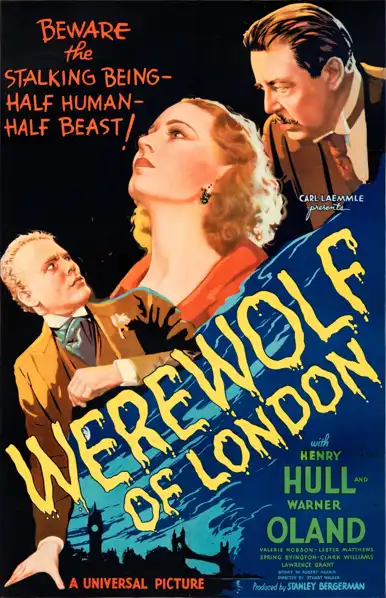
Comparing the cinematic DNA and archive impact of two defining moments in cult history.
Dziga Vertov
Richard Smith
" Vertov’s thirteenth Kino-Pravda is less a film than a live grenade hurled into the palace of linear narrative. You don’t watch it; you survive its shrapnel. Strip away the polite word newsreel and what remains is a kinetic assault: spliced chronicles of 1922 Petrograd where frost-rimed streetcars screech past banners still wet with revolutionary glue. The camera—an unblinking mechanical eye—refuses the bourgeois comfort of exposition; instead it thrusts you into the crush of bread queues, the ..."
Deep dive into the cult classic
Discover similar cinematic experiences
A Directorial Spotlight on Dziga Vertov
Community
Log in to comment.