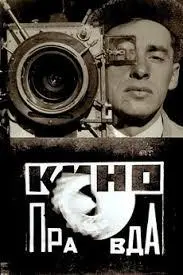
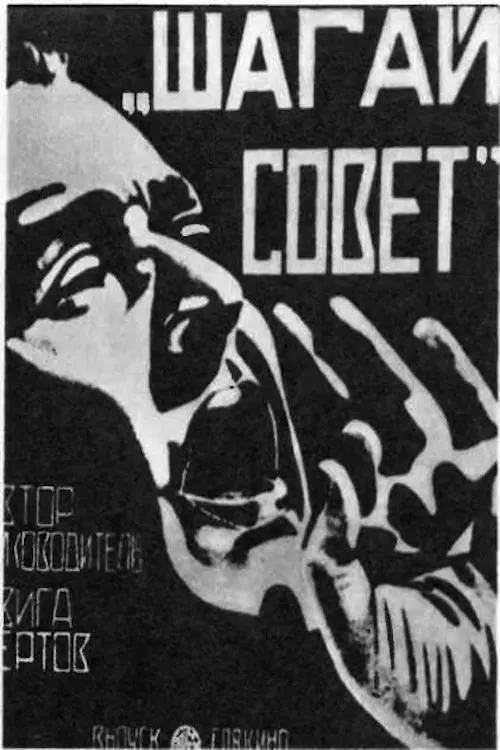
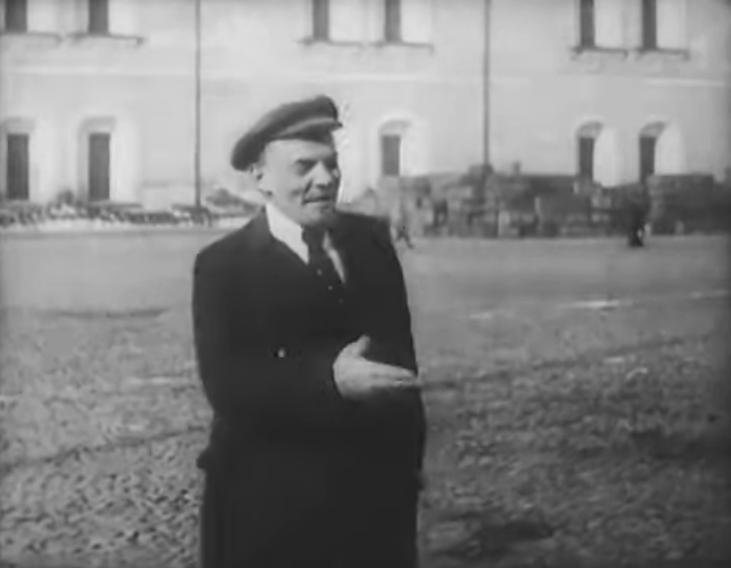
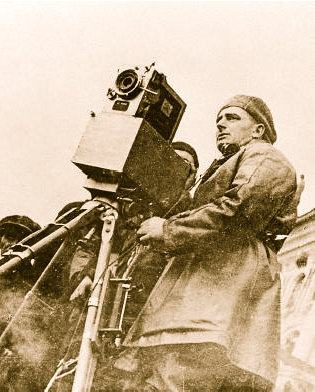
A series of newsreel films from Dziga Vertov, Elizaveta Svilova, and Mikhail Kaufman which document Russian Life in the early 1920s..
Soviet Union
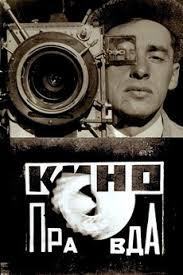
Vertov’s fifth bulletin from the manic laboratory of post-revolutionary Russia arrives like a defibrillator paddle to the ribs of a half-drowshed spectator. Forget your slick three-act arc; here, narrative is replaced by the arrhythmic palpitations of a country rebooting itself in public. The camera—never neutral—lea...

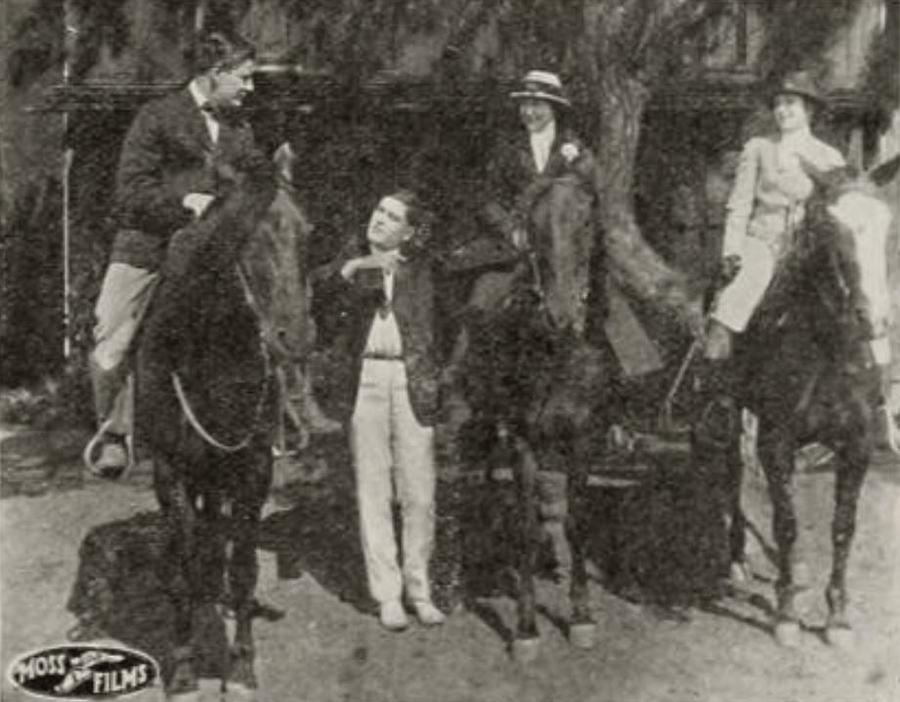
Comparing the cinematic DNA and archive impact of two defining moments in cult history.
Dziga Vertov
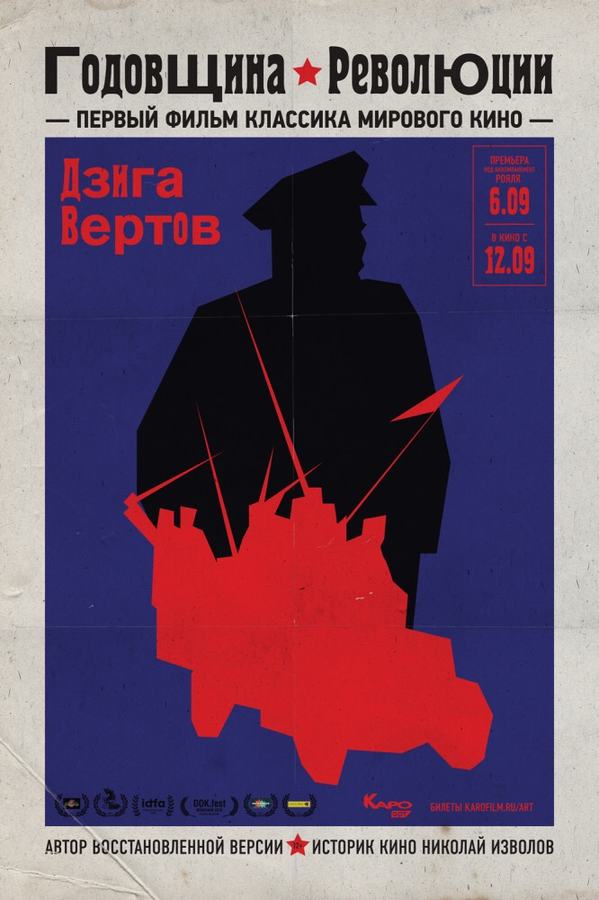
Dziga Vertov
Community
Log in to comment.
" Vertov’s fifth bulletin from the manic laboratory of post-revolutionary Russia arrives like a defibrillator paddle to the ribs of a half-drowshed spectator. Forget your slick three-act arc; here, narrative is replaced by the arrhythmic palpitations of a country rebooting itself in public. The camera—never neutral—leans from a rattling tram cab, licking frost off the windows, then plunges into a breadline that snakes around an Orthodox church now repurposed as a cafeteria for Soviet orphans. Gr..."
Deep dive into the cult classic
Discover similar cinematic experiences
A Directorial Spotlight on Dziga Vertov