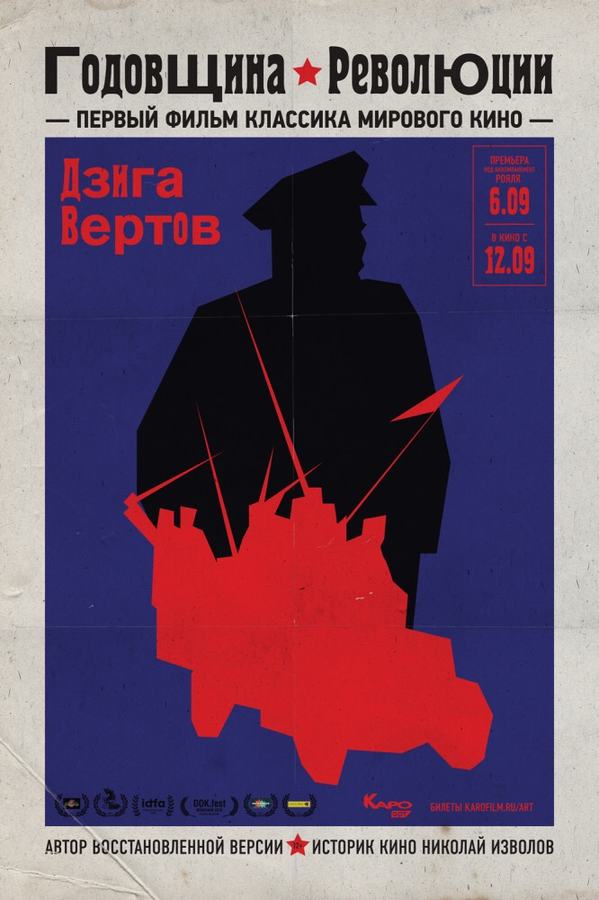
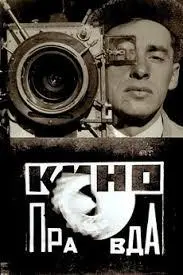
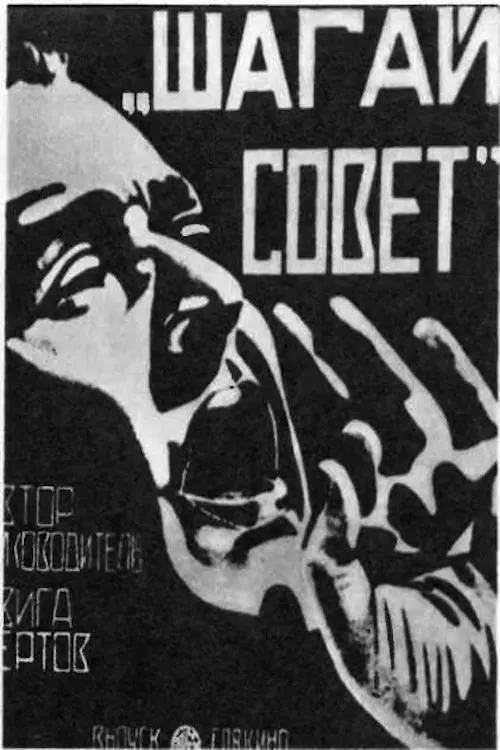
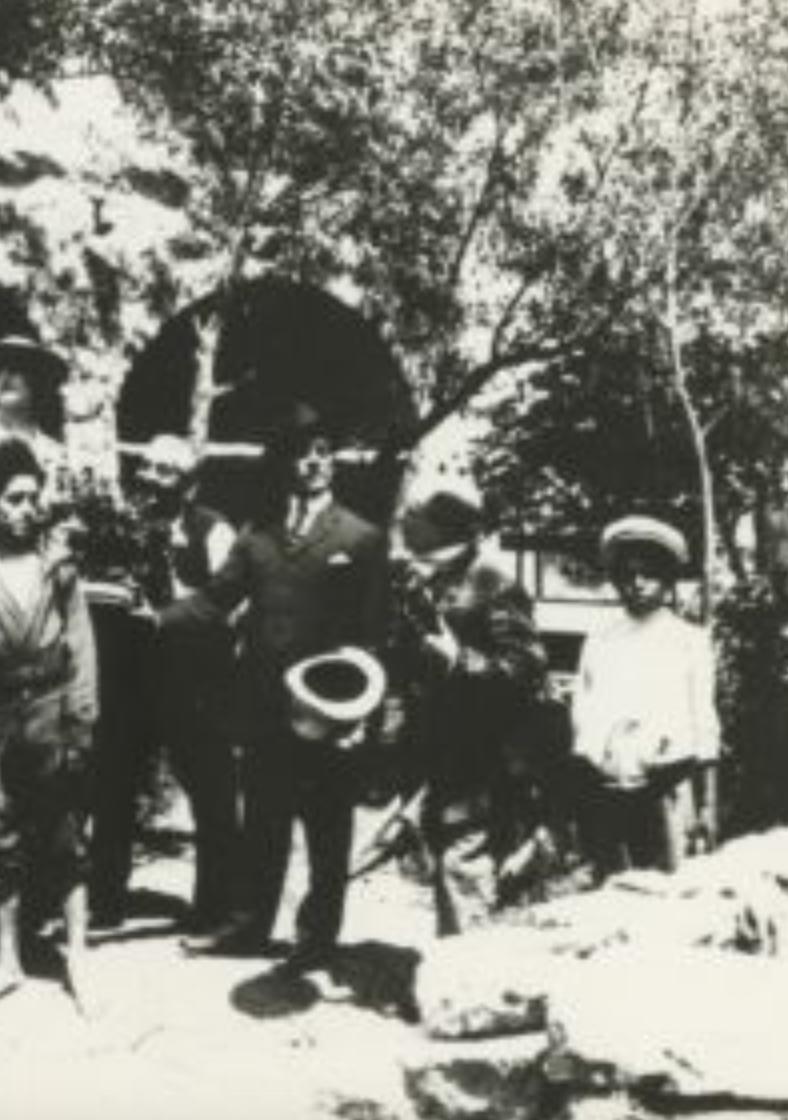
A series of newsreel films from Dziga Vertov, Elizaveta Svilova, and Mikhail Kaufman which document Russian Life in the early 1920s..
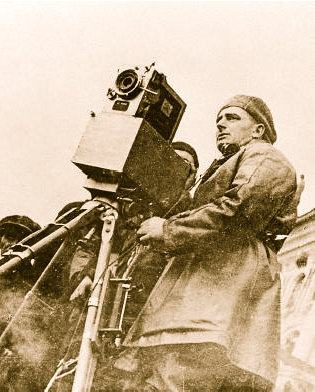
Soviet Union
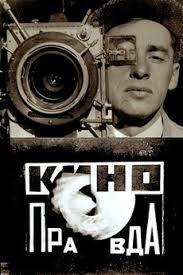
Vertov’s ninth bulletin from the revolutionary frontline arrives like a bomb wrapped in yesterday’s newspaper: twenty-two minutes of celluloid shrapnel that shred any lingering faith in the polite grammar of bourgeois storytelling. Forget your three-act ballets of rising tension and catharsis—this is cinema as steno...
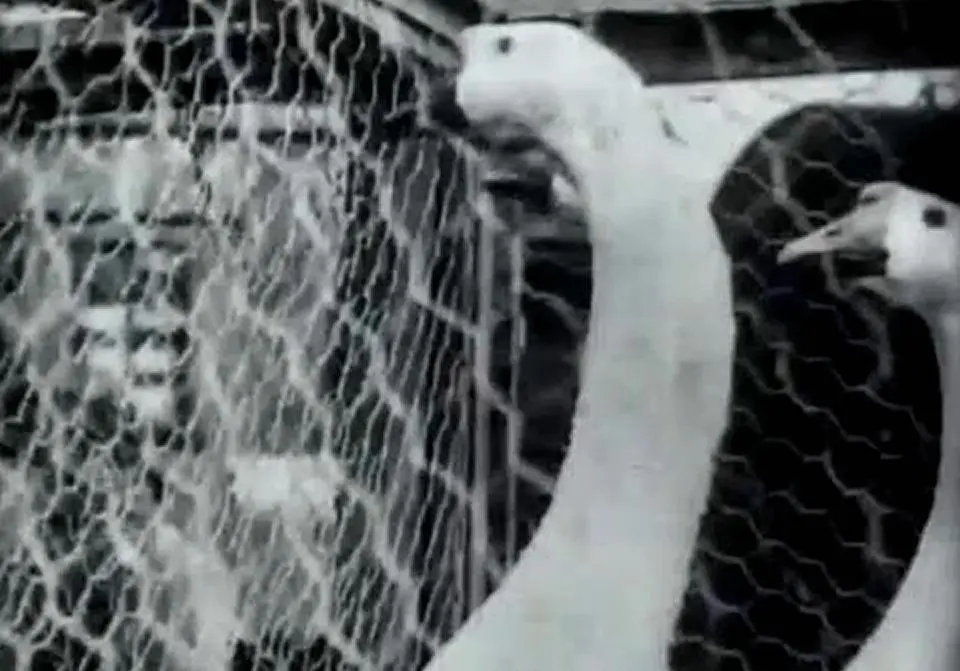
still_frame
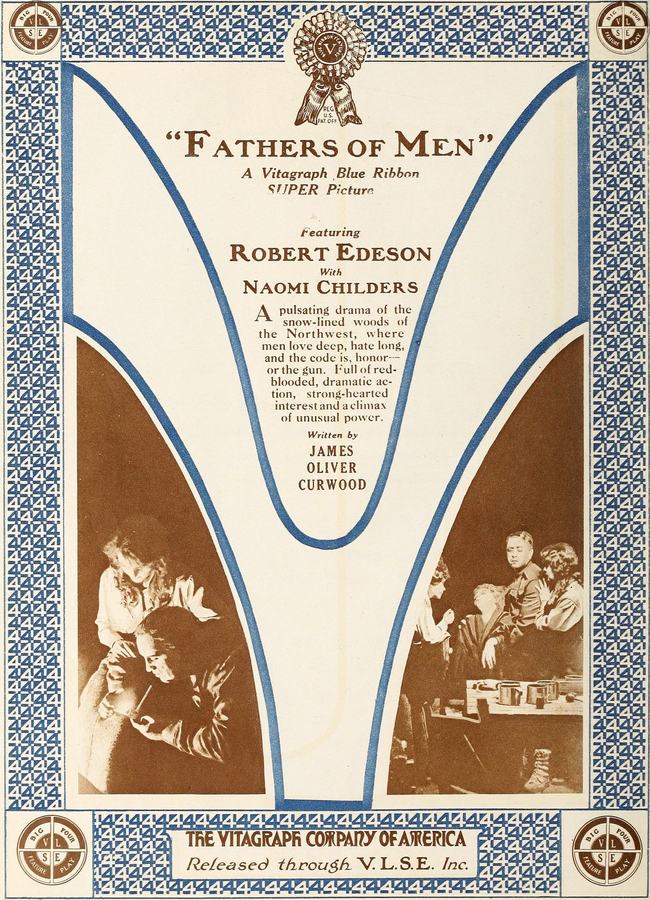
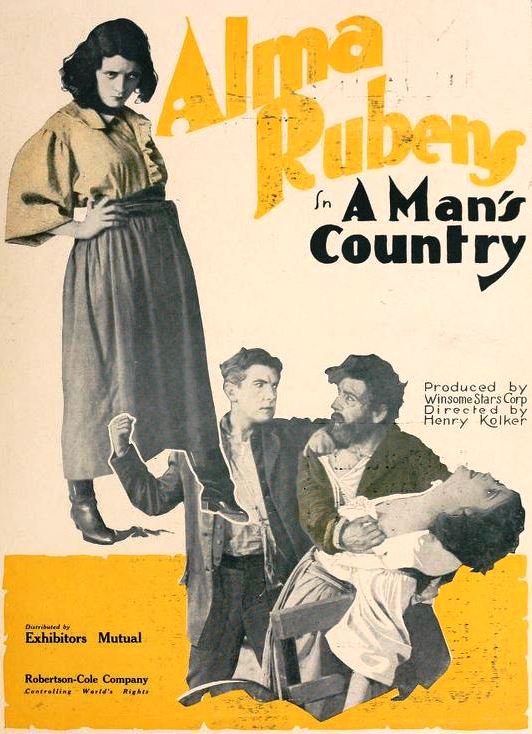
Comparing the cinematic DNA and archive impact of two defining moments in cult history.
Dziga Vertov
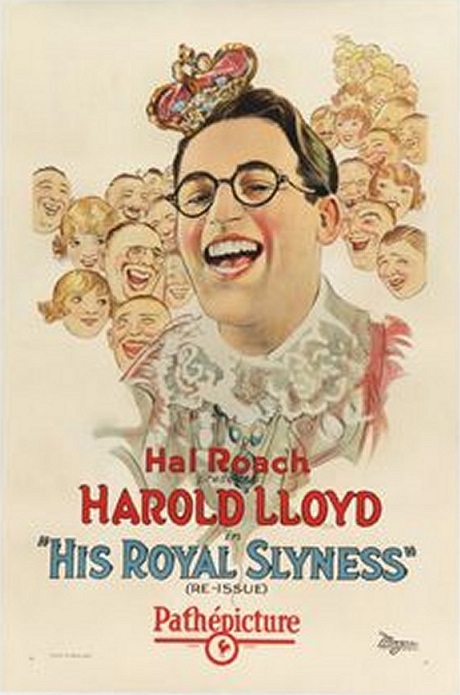
Hal Roach
Community
Log in to comment.
" Vertov’s ninth bulletin from the revolutionary frontline arrives like a bomb wrapped in yesterday’s newspaper: twenty-two minutes of celluloid shrapnel that shred any lingering faith in the polite grammar of bourgeois storytelling. Forget your three-act ballets of rising tension and catharsis—this is cinema as stenography of the cosmos, a breathless sprint through Petrograd’s synapses at the precise instant the NEP economy starts to sweat vodka and chromium. The reel opens on a signature Ver..."
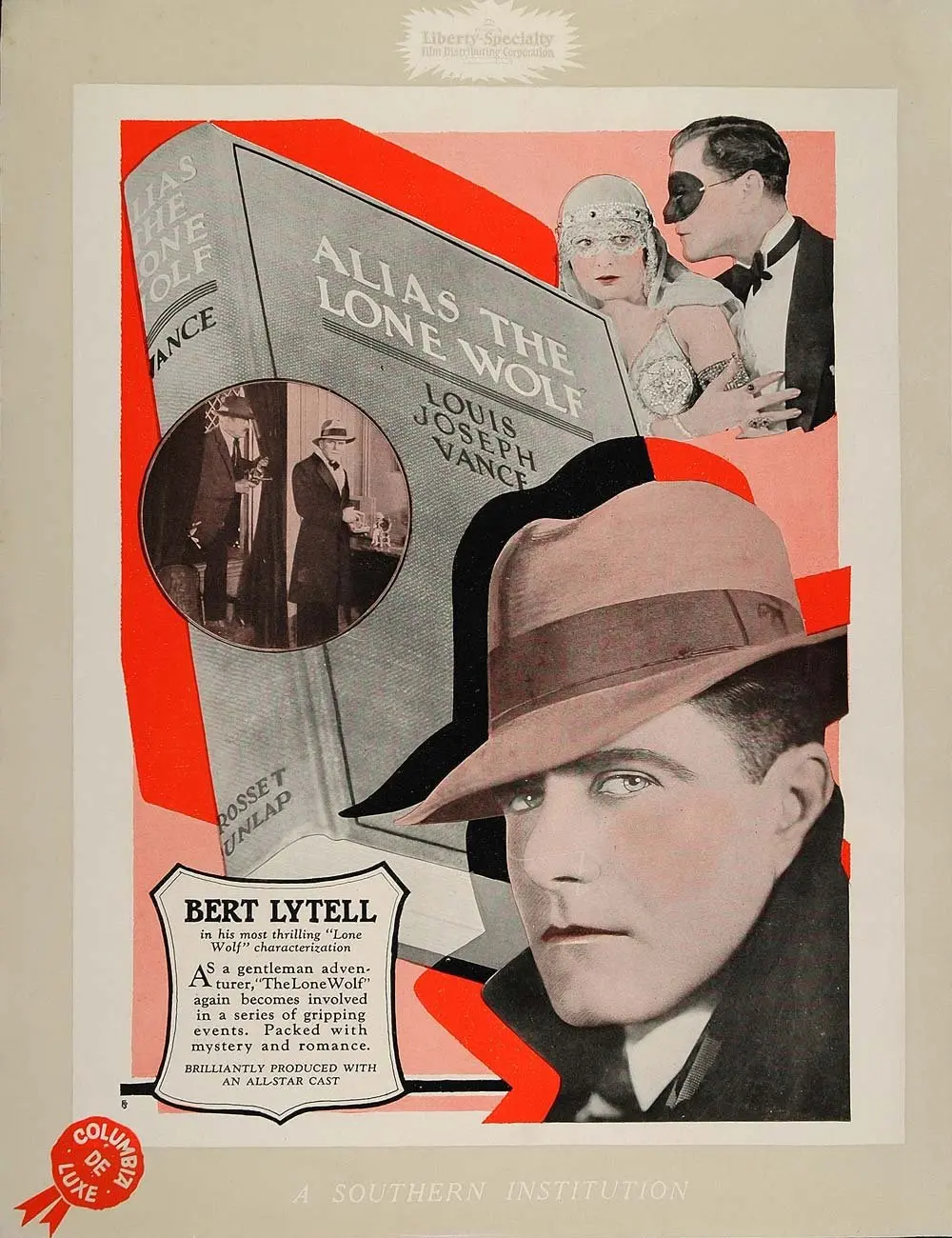
Deep dive into the cult classic
Discover similar cinematic experiences
A Directorial Spotlight on Dziga Vertov