DbcultAccessing Vault...
5.8/10
Senior Film Conservator
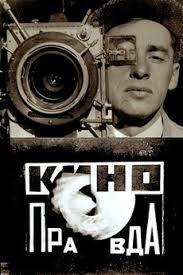
A definitive 5.8/10 rating for a film that redefined the boundaries of cult cinema. Kino-pravda no. 9 remains a cornerstone of transgressive art.
Vertov’s ninth bulletin from the revolutionary frontline arrives like a bomb wrapped in yesterday’s newspaper: twenty-two minutes of celluloid shrapnel that shred any lingering faith in the polite grammar of bourgeois storytelling. Forget your three-act ballets of rising tension and catharsis—this is cinema as stenography of the cosmos, a breathless sprint through Petrograd’s synapses at the precise instant the NEP economy starts to sweat vodka and chromium.
The reel opens on a signature Vertovian pun: a spinning record superimposed over a potter’s wheel. Sound and clay, vinyl and mud—both circle, both mold. The implication? Time itself is a malleable paste, and the editor-god can thumb-sculpt eternity before breakfast. From that first audacious overlap, the film detonates into a kaleidoscope of streetcars, election posters, and half-built hydroelectric towers that look like dinosaur ribs against the pewter sky. We see workers unspooling cable as if laying down giant neurons; we see bureaucrats licking stamps with the devotional slowness of monks illuminating manuscripts. Each image, no matter how pedestrian, vibrates with the uncanny shimmer of the first photograph ever taken.
Elizaveta Svilova’s editing table becomes the film’s true protagonist. Her scissors appear so frequently they deserve separate billing: snipping, re-tying, re-animating. In one giddy match-cut, a tram conductor’s punched ticket morphs into a ballot paper sliding into an urn—an electoral magic trick performed in plain daylight. Later, a shot of children devouring watermelon is bisected by a single frame of a skull x-ray, hinting that even sweetness is freighted with mortality. The tempo is breakneck, yet the rhythm is lucid; Vertov’s manifesto that “intervals, not images” are the stuff of cinema finds its most playful laboratory here.
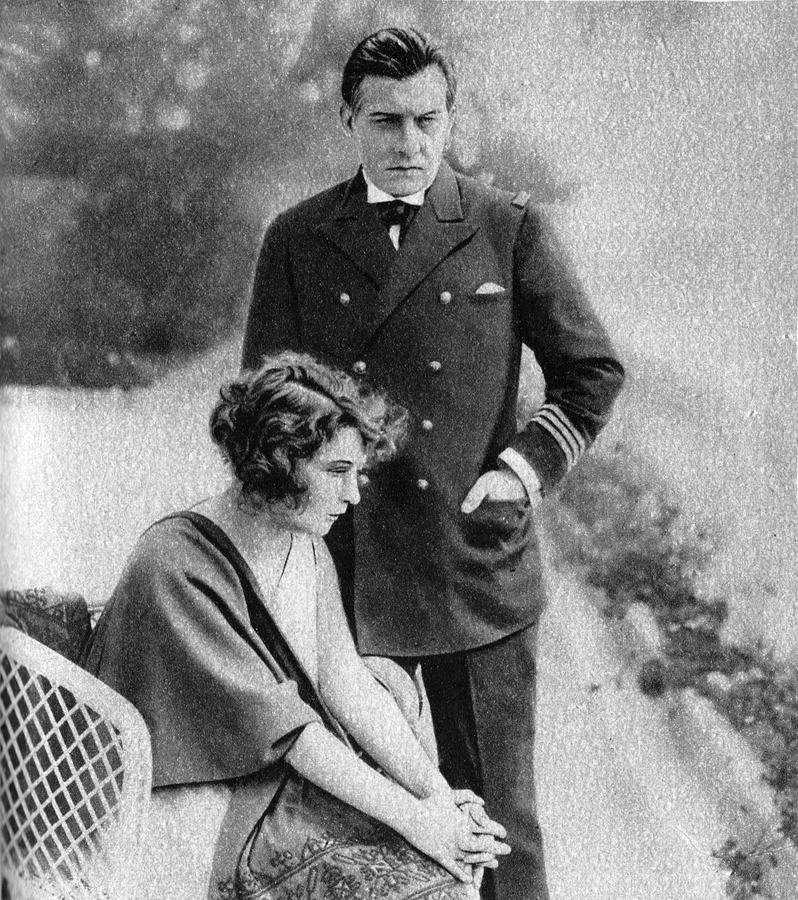
Compare this to the languid Orientalist hokum of A Desert Hero or the drawing-room adultery of Married in Name Only—films that treat the camera like a respectful guest doffing its hat. Kino-pravda no. 9 instead thrusts the lens into machinery, mouths, and mud puddles until the apparatus itself bruises. The result is a vertiginous democracy of vision: a cut-up poem where street urchins share equal lexical footing with commissars, and a stray cat’s yawn can derail a military parade.
Vertov’s sound theories—though still silent on screen—scream through the intertitles. Words dance in zig-zag diagonals, mimic factory whistles, or shrink to agate type that forces the viewer to lean in, as though eavesdropping on history. One intertitle, flashed for a single frame, reads: “The eye lost in the ear, the ear in the eye.” Blink and you’ll miss the entire philosophy of Soviet montage compressed into ten syllables.
What keeps the film from calcifying into mere archival curio is its libidinal pulse. When a female factory inspector laughs directly at the camera, her front tooth capped in gold, the glint feels more erotic than any clinch in The Love Charm. Vertov understands that the close-up is cinema’s true love spell: a frontal confrontation with another consciousness whose intensity rivals prayer.
Yet the euphoria is laced with premonitions of entropy. Midway through, the montage pauses on a heap of worn-out shoes outside a bathhouse—soles flapping like tired birds. The next image is a radio tower—erect, humming. The juxtaposition is ruthless: communication soars while bodies disintegrate. Such dialectical lightning bolts anticipate the darker ironies of Kino-pravda no. 3, but here they still sting with fresh-cut hope.
Technically, the camerawork is a carnival of innovations: split diopters that bifurcate policemen into Siamese twins, reverse shots that make rain ascend back into the clouds, and superimpositions that stack five layers of traffic until the frame feels like a stained-glass window slammed against your pupils. The emulsion is scarred with scratches and watermarks; instead of hiding them, Vertov amplifies their hiss, turning defect into dialect. Every abrasion is a palimpsest of projection booths, a reminder that film travels through hands, through fire, through ideology.
Some historians dismiss the Kino-pravda series as pamphlets, agit-prop postcards hammered together for illiterate masses. Number 9 pulverizes that canard. It is neither bulletin nor sermon but a self-devouring snake asking: if reality can be rearranged at will, where does revolution stop and cinema begin? The answer flickers in the final shot: a cameraman cranking his handle while standing on the wing of a moving locomotive—an image of suicidal exuberance that outstrips even the apocalyptic riders in Attila, the Scourge of God. The train races toward a horizon that keeps sliding away, a perfect metaphor for a country always arriving at its own mirage.
Watching it today on digital scrubbed to sterility feels like sipping vodka through a paper straw. Seek out the 35 mm print if you can—preferably threaded on a rattling Soviet-era Kiev projector whose bulb hums like a trapped bee. Let the gate wobble, let the sprockets clack, let the image burn. Only then will you taste the full tang of a world that believed it could splice its way into utopia.
Verdict: a kinetic Rosetta Stone that deciphers nothing less than the 20th century’s fever dream. Mandatory viewing for anyone who still thinks documentaries are vegetables and fiction the red meat. Here, vegetables detonate like grenades, and the red is not meat but history’s own hemorrhage.
IMDb —
1922
Community
Log in to comment.