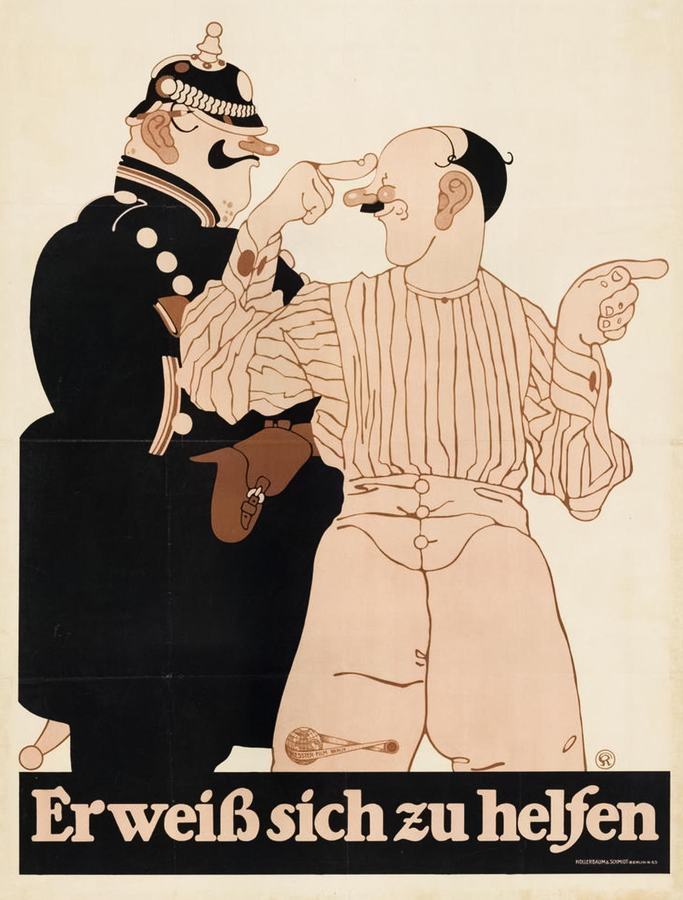
Germany
The Architect of Innocence: Deconstructing Krümelchen In the pantheon of early silent cinema, few figures capture the sheer audacity of youth quite like the protagonist of Krümelchen weiß sich zu helfen. While contemporary audiences might be more familiar with the saccharine portrayals of childhood found in A...


Comparing the cinematic DNA and archive impact of two defining moments in cult history.
Hanna Henning

Hanna Henning
Community
Log in to comment.
" The Architect of Innocence: Deconstructing Krümelchen In the pantheon of early silent cinema, few figures capture the sheer audacity of youth quite like the protagonist of Krümelchen weiß sich zu helfen. While contemporary audiences might be more familiar with the saccharine portrayals of childhood found in American imports of the time, this German gem offers a far more textured and intellectually stimulating perspective. The film operates on a dual frequency: it is at once a lighthear..."

1920 · IMDb 6.2
Hanna Henning

Deep dive into the cult classic
Discover similar cinematic experiences
A Directorial Spotlight on Hanna Henning
