DbcultAccessing Vault...
5.7/10
Senior Film Conservator
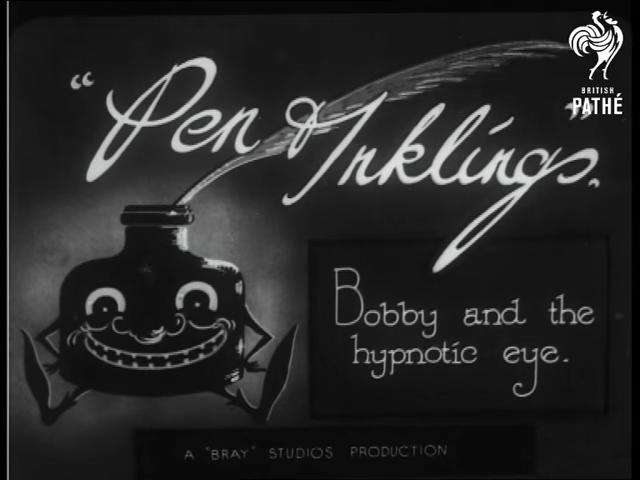
A definitive 5.7/10 rating for a film that redefined the boundaries of cult cinema. Bobby Bumps and the Hypnotic Eye remains a cornerstone of transgressive art.
In the nascent, effervescent crucible of early 20th-century cinema, where the moving picture was still discovering its myriad voices, a particular brilliance emerged from the pen and ingenuity of Earl Hurd. His creation, Bobby Bumps, represents not merely a character but a pivotal moment in the evolution of animated storytelling. Hurd, a true pioneer, stands alongside figures like Winsor McCay in forging the very grammar of animation. While McCay often pushed the boundaries of intricate, fluid motion and grand narrative ambition, Hurd's genius lay in his pragmatic innovation, particularly his refinement of the cel animation technique. This seemingly simple method, where drawings are made on transparent celluloid sheets and laid over a static background, revolutionized production efficiency, transforming animation from a painstaking, frame-by-frame novelty into a viable, repeatable art form. 'Bobby Bumps and the Hypnotic Eye' arrives in 1917, a year bustling with cinematic experimentation, but also one deeply entrenched in the societal shifts brought about by the Great War. Yet, amidst the global upheaval, Hurd offered audiences a delightful escapism, a return to the innocent, chaotic world of childhood. Bobby Bumps, a perpetually curious and remarkably resilient little boy, along with his faithful, equally mischievous canine companion, Fido, became a beloved fixture, embodying the universal spirit of youthful exuberance and the eternal bond between a child and their pet. These early shorts were more than just cartoons; they were foundational texts, laying down the visual and comedic language that would inform generations of animators and entertain countless viewers, proving that even in its earliest iterations, animation possessed an unparalleled capacity for charm and imaginative flight.
The tantalizing title, 'Bobby Bumps and the Hypnotic Eye,' immediately suggests a departure from mere domestic shenanigans, hinting at a foray into the fantastical. While the plot summary promises 'mischief,' the inclusion of a 'hypnotic eye' elevates these youthful antics into a realm of delightful, almost surreal, power play. One can vividly imagine Bobby, perhaps stumbling upon a street performer's discarded prop, or acquiring a mysterious trinket from a forgotten attic, discovering its uncanny ability to bend wills and distort realities. The comedic possibilities are boundless. Picture Fido, usually content with chasing squirrels and gnawing on bones, suddenly compelled to perform elaborate, balletic pirouettes or to communicate in sophisticated, if unintelligible, barks. Bobby himself might initially test the limits of this newfound power on inanimate objects, causing teacups to dance or furniture to rearrange itself into absurd configurations, much to the bewildered consternation of his unsuspecting parents. The charm of such a premise lies in the inversion of control: the typically powerless child suddenly wielding an extraordinary influence, transforming the mundane into the magical. As the narrative progresses, the 'mischief' undoubtedly escalates, perhaps Bobby hypnotizing his stern schoolteacher into a fit of giggles, or Fido inadvertently causing a parade of neighborhood animals to march in lockstep. The film, in its silent eloquence, would rely heavily on visual gags, the exaggerated expressions of its characters, and the kinetic energy of their movements to convey the escalating chaos and the innocent delight Bobby and Fido take in their temporary omnipotence. This 'hypnotic eye' serves as a brilliant narrative device, not only propelling the plot forward but also allowing Hurd to explore the delightful anarchy inherent in childhood imagination, where the rules of the adult world are momentarily suspended for the sheer joy of playful subversion. It's a testament to Hurd's storytelling acumen that such a simple premise can yield such rich imaginative dividends, capturing the very essence of childlike wonder and the thrill of forbidden power.
To properly appreciate 'Bobby Bumps and the Hypnotic Eye,' one must contextualize it within the technical landscape of early animation. This was an era where the very act of bringing drawings to life was a pioneering feat, far removed from the digital sophistication of today. Earl Hurd's significant contribution, the patenting of the cel animation process in 1914, was a game-changer. Prior to this, animators like Émile Cohl or Winsor McCay often redrew entire backgrounds for each frame, an incredibly laborious and time-consuming endeavor. Hurd's method, utilizing transparent celluloid sheets for moving characters laid over static backgrounds, dramatically streamlined production. This innovation allowed for greater output and consistency, making series like Bobby Bumps economically viable. In 'Bobby Bumps and the Hypnotic Eye,' we witness the early mastery of this technique. The animation, while rudimentary by modern standards, possesses an undeniable charm and efficiency. Characters move with a delightful fluidity, often employing exaggerated, almost rubbery limb movements that perfectly convey their emotions and actions in the absence of spoken dialogue. Hurd's character designs for Bobby and Fido are iconic in their simplicity: Bobby's round head, wide eyes, and expressive mouth, and Fido's floppy ears and wagging tail, are instantly recognizable and endearing. The backgrounds, though static, are often detailed enough to establish a clear sense of place, whether it's the interior of a cozy home or a bustling streetscape. The film's visual language relies heavily on clear, concise actions and reactions. A raised eyebrow, a sudden dash, a comical stumble – these are the building blocks of its humor. The 'hypnotic eye' itself, likely depicted with swirling lines or radiating beams, would have been a visual shorthand for its mysterious power, its effects rendered through the comical transformations of its subjects. Unlike the grand, illustrative detail seen in films such as From the Manger to the Cross, which sought epic realism, Hurd's animation embraced a more caricatured, expressive style, perfectly suited for comedic storytelling. The pacing, dictated by the frame rate and the rhythm of the gags, would have been brisk, ensuring a constant flow of visual amusement. This film stands as a testament to the power of early animators to create vivid, engaging worlds with relatively limited resources, proving that ingenuity and imagination could triumph over technical constraints, laying groundwork for animated masterpieces to come.
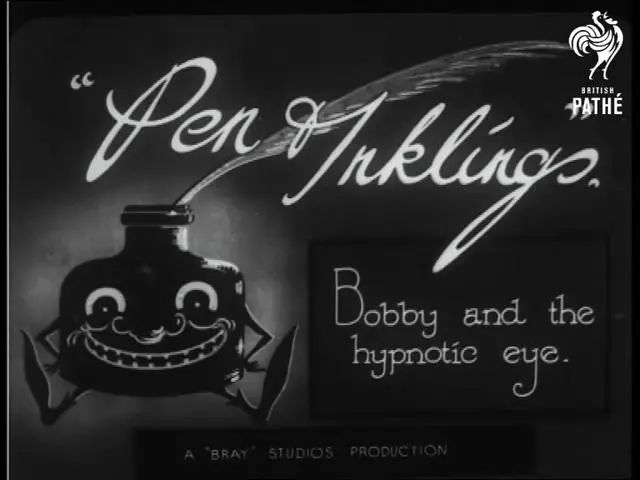
Beneath the surface of delightful mischief, 'Bobby Bumps and the Hypnotic Eye' subtly taps into several thematic undercurrents prevalent in its era, transforming simple gags into a fascinating commentary on control, freedom, and the unknown. The concept of hypnotism itself was a popular fascination in the early 20th century, straddling the line between stage entertainment, pseudoscience, and emerging psychological theories. It represented a mysterious power, capable of altering perception and behavior, and often carried a hint of both allure and apprehension. For Bobby Bumps to wield such a device is to grant a child god-like control over his immediate environment, a playful inversion of the typical power dynamic between children and adults. This exploration of agency, even in a comedic context, is profoundly resonant. What does a child do when suddenly empowered to manipulate the world around him? He indulges in harmless, self-serving fun, a reflection of the innocent ego and boundless imagination of youth. The film thus becomes a charming allegory for the intoxicating allure of power, even if temporary and ultimately benign. Furthermore, the dynamic between Bobby and Fido mirrors a universal truth about companionship and influence. Fido, as the loyal, if sometimes unwitting, accomplice, represents the unquestioning devotion often found in pets, a devotion that can be both a source of comfort and a conduit for escalating shenanigans. Their adventures with the 'hypnotic eye' also touch upon the broader societal anxieties and fascinations of the time. As cinema itself was a new, captivating medium, capable of enthralling audiences and shaping perceptions, the 'hypnotic eye' could be seen as a playful metaphor for the power of film itself – a device that, with a mere flicker, could transport viewers into different realities and evoke powerful emotions. While contemporary films like Rule G might have explored the rigid constraints of societal rules, 'Bobby Bumps' revels in their temporary subversion, offering a lighthearted counterbalance. It's a celebration of imaginative freedom, a brief, joyous escape from the often-structured realities of life, reminding us that even the most ordinary of settings can become extraordinary with a dash of magic and a touch of mischief. The film, therefore, is not just a series of laughs; it's a small, animated window into the cultural zeitgeist of its time, reflecting both innocent desires and subtle anxieties about the forces that shape our lives.
The undeniable heart of 'Bobby Bumps and the Hypnotic Eye,' and indeed the entire Bobby Bumps series, lies in the endearing, timeless relationship between the titular boy and his faithful dog, Fido. This duo embodies a classic archetype that has resonated across cultures and generations: the adventurous child and their loyal, often equally mischievous, animal companion. Hurd understood the intrinsic appeal of this pairing, leveraging it to create characters that were instantly relatable and perpetually entertaining. Bobby Bumps himself is the quintessential animated child: curious, impulsive, and brimming with an innocent desire for play. He's not malicious; his mischief stems from a pure, unadulterated childlike joy in exploration and experimentation. Fido, on the other hand, is more than just a pet; he's Bobby's confidant, his partner in crime, and often the unwitting catalyst or victim of their shared escapades. Their dynamic is a masterclass in silent comedic timing. Fido's reactions, from a bewildered tilt of the head to an enthusiastic wag of the tail, perfectly complement Bobby's actions. The 'hypnotic eye' merely amplifies their inherent personalities, allowing their playful bond to manifest in hilariously exaggerated ways. Imagine Fido, under the spell, mimicking Bobby's gestures or engaging in human-like activities, blurring the lines between species in a way that is both charming and laugh-out-loud funny. This enduring appeal of a boy and his dog speaks to a universal human experience. It evokes nostalgia for one's own childhood adventures and the unconditional love offered by a pet. The simplicity of their designs ensures that their emotions and intentions are always clear, even without dialogue, making them accessible to audiences of all ages and backgrounds. While other films of the era, such as The Magnificent Meddler, explored complex adult relationships, Bobby and Fido offered a refreshing purity, a focus on the fundamental joys of friendship and shared discovery. Their escapades, whether mundane or magical, are always grounded in this authentic bond, making 'Bobby Bumps and the Hypnotic Eye' not just a historical artifact, but a resonant piece of storytelling that continues to charm with its depiction of an unbreakable, delightful partnership.
Placing 'Bobby Bumps and the Hypnotic Eye' within the broader cinematic landscape of 1917 reveals its significant, albeit often understated, contribution. This was a pivotal year for film, marked by the ongoing maturation of narrative techniques, the emergence of star systems, and the increasing commercialization of the medium. While feature films like The Man Who Stayed at Home captivated audiences with wartime dramas and Rupert of Hentzau offered swashbuckling adventure, animated shorts like 'Bobby Bumps' were carving out their own distinct niche. They represented a different kind of storytelling, one focused on visual gags, character-driven comedy, and pure, unadulterated entertainment. Hurd's series, alongside contemporaries like Felix the Cat (though later) or Gertie the Dinosaur, was instrumental in establishing animation as a legitimate and popular form of cinematic expression, distinct from live-action cinema. It proved that drawn characters could evoke emotion, tell coherent stories, and sustain audience interest over multiple installments. The influence of these early cartoons cannot be overstated. They laid the groundwork for the animation studios that would dominate the industry for decades to come, from Fleischer to Disney. The very concept of character continuity across multiple shorts, a hallmark of the Bobby Bumps series, became a fundamental principle of animated franchises. Moreover, 'Bobby Bumps and the Hypnotic Eye' showcases the early understanding of animation's unique potential: its ability to defy the laws of physics and reality in ways live-action simply could not. The 'hypnotic eye' premise, with its fantastical implications, is perfectly suited for the animated medium, allowing for visual humor and surreal situations that would be far more challenging, if not impossible, to achieve convincingly in live-action at the time. This film, therefore, stands as a testament to the pioneering spirit of early animators who, with limited tools but boundless imagination, helped define the boundaries and possibilities of a burgeoning art form. It reminds us that while the spectacle of grand narratives like The Scarlet Trail or the intricate character studies of All Kinds of a Girl were captivating audiences, the simple, joyous antics of a boy and his dog were quietly, yet powerfully, shaping the future of cinematic entertainment, demonstrating the diverse applications of the nascent cinematic medium.
Revisiting 'Bobby Bumps and the Hypnotic Eye' through a contemporary lens offers a fascinating journey into the roots of animation, revealing both its enduring strengths and the inevitable limitations of its era. What holds up remarkably well is the sheer, unadulterated charm of its central characters. Bobby Bumps and Fido possess an immediate, universal appeal that transcends the decades. Their bond, their innocent mischief, and their expressive, if simply rendered, personalities are timeless. The core concept of the 'hypnotic eye' is also brilliantly effective, providing a fertile ground for imaginative gags and a clear narrative arc, however brief. It’s a testament to Earl Hurd’s intuitive understanding of visual comedy and character motivation, even within the confines of a short format. The film’s strength lies in its ability to communicate complex ideas – like cause and effect, temptation, and the joy of playful rebellion – through purely visual means. This silent storytelling demands a keen eye from the viewer, rewarding attention to detail in character reactions and escalating situations. The historical significance is, of course, paramount. As a product of Earl Hurd, a pivotal figure in the development of cel animation, this short offers invaluable insight into the technical and creative evolution of the medium. It showcases the efficiency and clarity that Hurd's innovations brought to animation, paving the way for the industry as we know it today. However, inevitably, certain aspects feel dated. The animation, while groundbreaking for its time, lacks the fluid sophistication and nuanced character acting that would become standard in later decades. Modern audiences, accustomed to highly detailed, dynamic animation, might find the relatively static backgrounds and simpler character movements less immersive. The humor, while charming, is rooted in a more innocent, slapstick tradition, which might not resonate with all contemporary comedic sensibilities. Yet, to judge it solely by modern standards would be to miss its profound artistic and historical value. Its influence, though perhaps not as overtly celebrated as some later works, is undeniable. One can trace lines from Bobby Bumps to countless subsequent animated duos, from Tom and Jerry to Calvin and Hobbes, illustrating the lasting power of the boy-and-animal trope. While films like The Food Gamblers or An Even Break grappled with complex social issues, 'Bobby Bumps' offered a vital counterpoint: pure, unpretentious fun. It serves as a vivid reminder that the foundational elements of compelling animation – engaging characters, clear storytelling, and an imaginative premise – were firmly in place even in the medium’s earliest days. 'Bobby Bumps and the Hypnotic Eye' is not just a relic; it's a vibrant, living piece of cinematic history, a delightful glimpse into the boundless creativity that defined the dawn of animation.

IMDb —
1935
Community
Log in to comment.