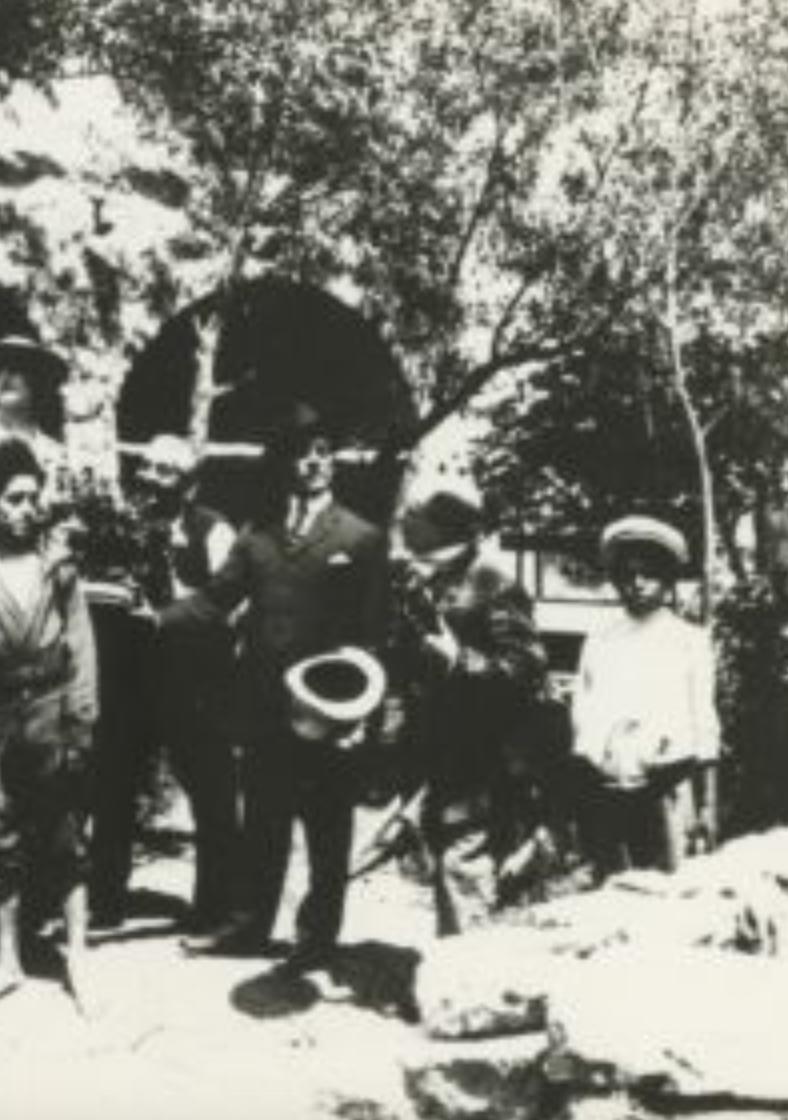
The stick man Fantoche is looking for a home, but there doesn't seem to be any room anywhere, not even in Hell..
France
Paris, 1908. While the boulevards buzz about the first Model T, Émile Cohl is busy evicting a doodle from existence itself. The result—La maison du Fantoche—runs a hair under four minutes, yet its afterimage lingers like a nicotine stain on the retina. Forget the cutesy myth that early animation was mere novelty; her...
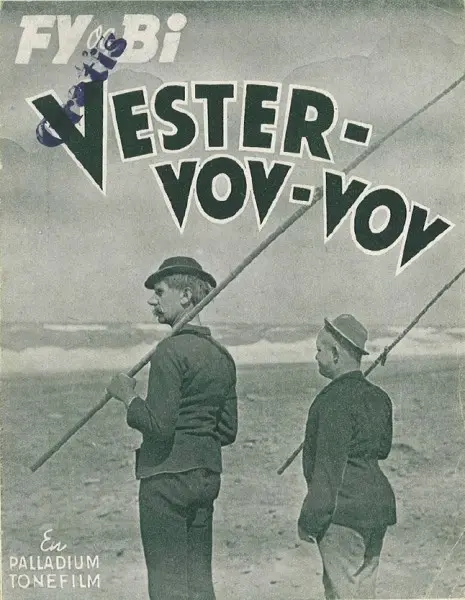

Comparing the cinematic DNA and archive impact of two defining moments in cult history.
Émile Cohl

Ralph Ince
Community
Log in to comment.
" Paris, 1908. While the boulevards buzz about the first Model T, Émile Cohl is busy evicting a doodle from existence itself. The result—La maison du Fantoche—runs a hair under four minutes, yet its afterimage lingers like a nicotine stain on the retina. Forget the cutesy myth that early animation was mere novelty; here is a horror story wearing the mask of a nursery prank, a tale whose real estate broker is nihilism. Fantoche’s physique—single-stroke limbs, circle for a cranium—should feel har..."
Animation, Short
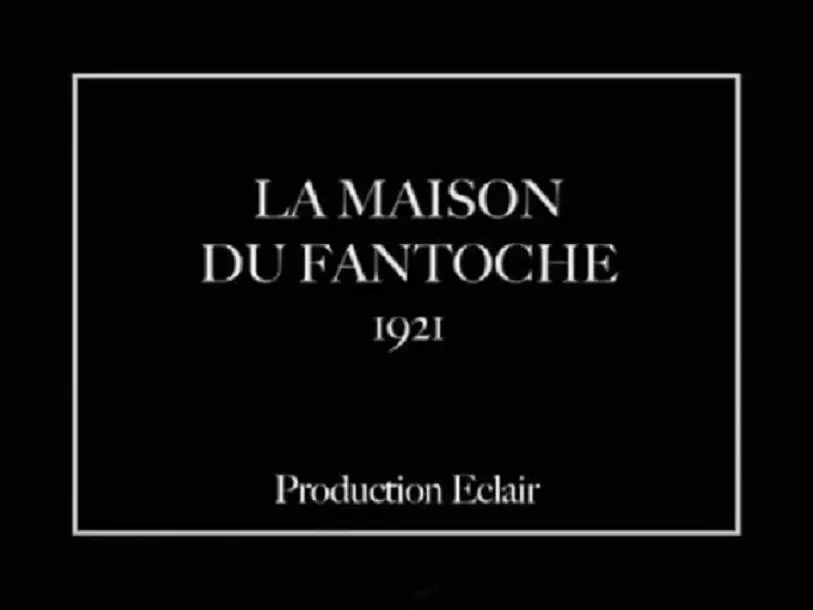
still_frame
Deep dive into the cult classic
Discover similar cinematic experiences
A Directorial Spotlight on Émile Cohl