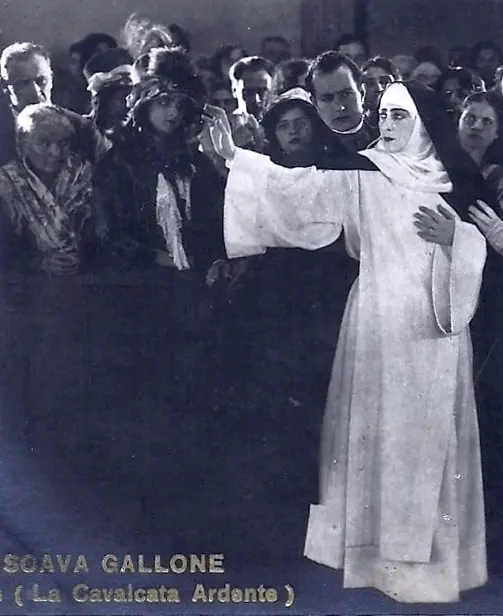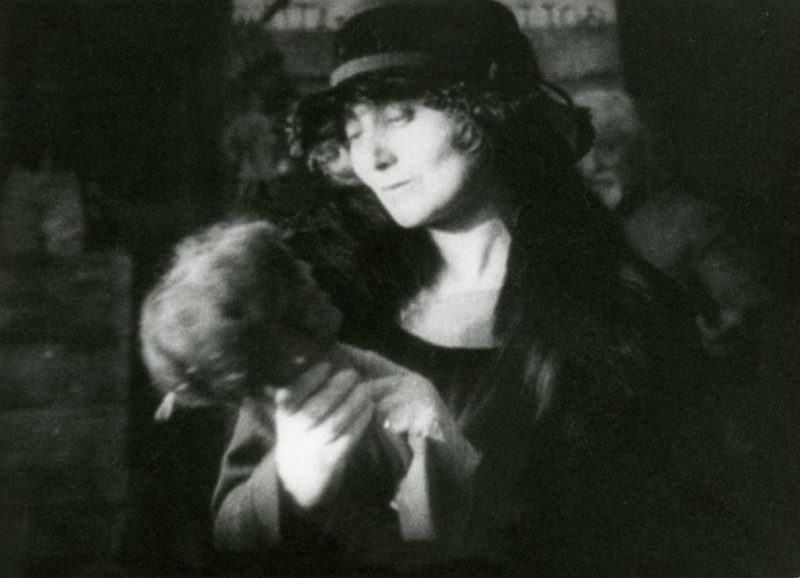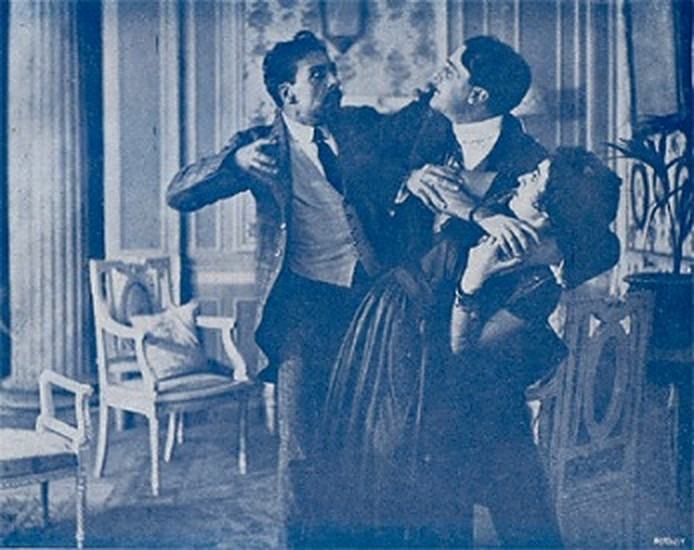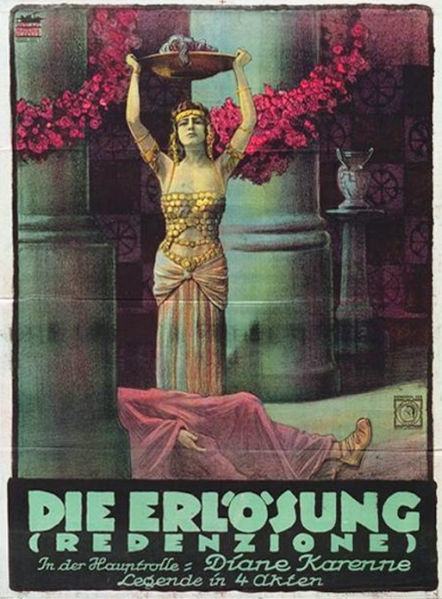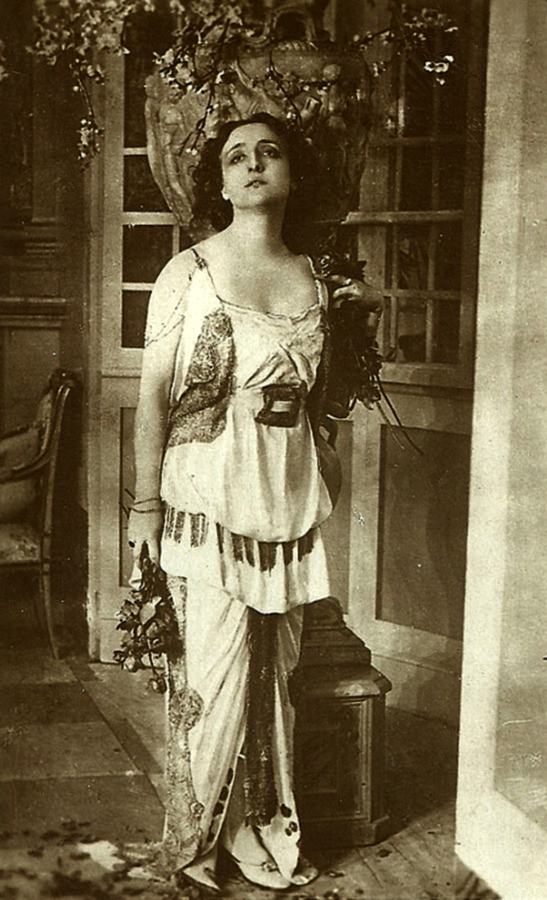
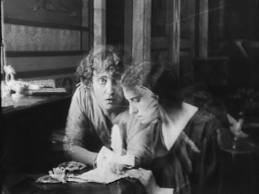
Grazia de Plessans abandons her studies in a convent following a mystical crisis. In her paternal house, she studies music together with maestro Claudio Morillot with whom she ends up falling in love.

Carmine Gallone, Henry Bataille
Italy
The Divine and the Profane: Gallone’s Aesthetic Vision In the pantheon of early Italian cinema, few works capture the transition from religious fervor to secular obsession with the same chromatic intensity as La marcia nuziale (1915). Directed by the prolific Carmine Gallone and adapted from the Henry Bataille play,...

Comparing the cinematic DNA and archive impact of two defining moments in cult history.
Carmine Gallone
Carmine Gallone
Community
Log in to comment.
" The Divine and the Profane: Gallone’s Aesthetic Vision In the pantheon of early Italian cinema, few works capture the transition from religious fervor to secular obsession with the same chromatic intensity as La marcia nuziale (1915). Directed by the prolific Carmine Gallone and adapted from the Henry Bataille play, this film serves as a quintessential artifact of the 'diva' genre. The narrative arc of Grazia de Plessans, portrayed by the incomparable Lyda Borelli, is not merely a story of ro..."


Deep dive into the cult classic
Discover similar cinematic experiences
A Directorial Spotlight on Carmine Gallone