Summary
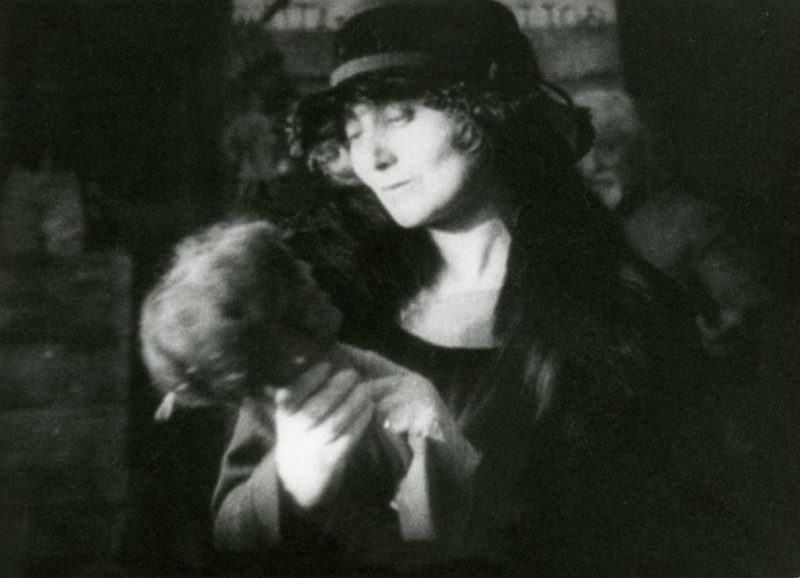
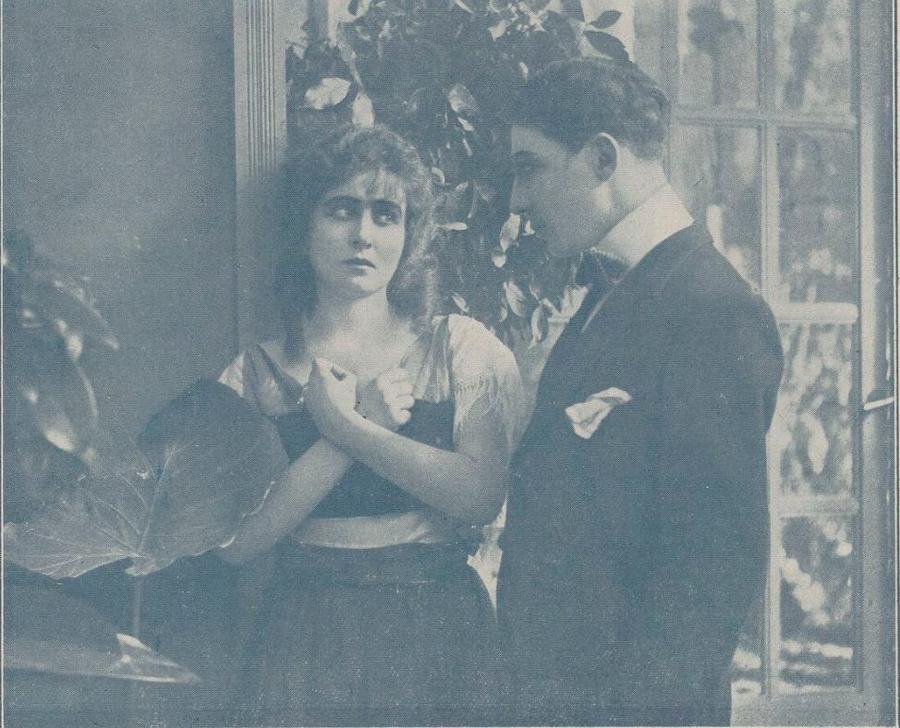
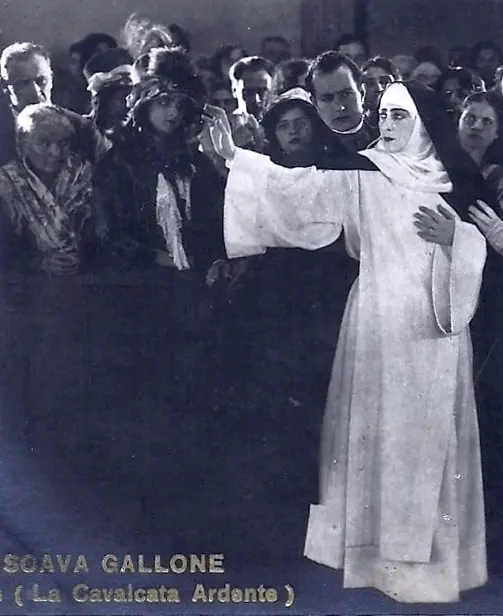
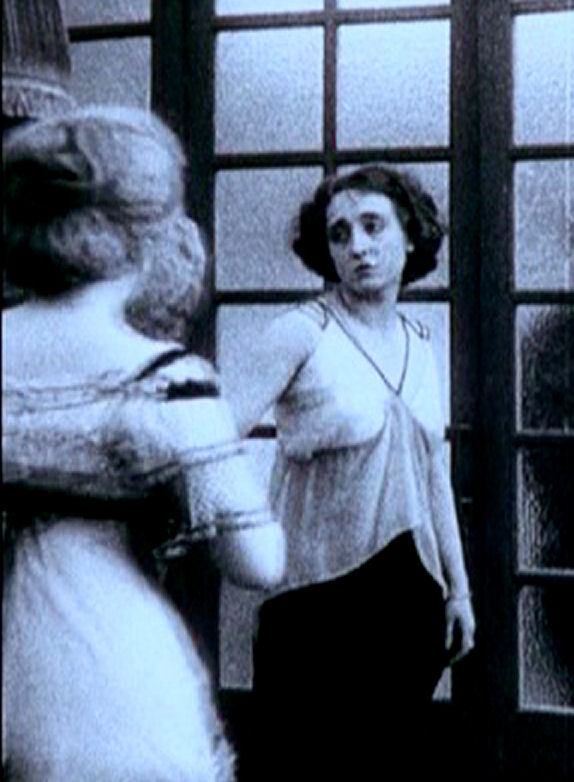
In the somber, gaslit labyrinth of a turn-of-the-century European metropolis, "Maman poupée" unfurls a chilling tapestry of maternal grief, psychological unraveling, and the terrifying allure of the artificial. Elara, portrayed with a haunting fragility by Soava Gallone, is a woman utterly consumed by the recent, devastating loss of her infant. Retreating from the harsh realities of her existence, she finds solace, or perhaps a new form of torment, in the meticulously crafted, eerily lifelike creations of Master Anton, a reclusive and enigmatic dollmaker brought to life by Bruno Emanuel Palmi’s unsettling presence. Elara's fixation coalesces around a singular, exquisitely detailed doll, which she begins to imbue with the very soul of her lost child, transforming it into her 'Maman poupée.' Her descent into this elaborate delusion is observed with a mixture of clinical curiosity and burgeoning concern by Dr. Alistair Thorne, a celebrated but increasingly perplexed psychiatrist embodied by Mario Cusmich. Thorne initially approaches Elara's case with the detached rigor of science, yet as he delves deeper into her fractured psyche, the boundaries between his professional objectivity and a more profound, empathetic entanglement blur. Mina D'Orvella, in a pivotal role as Elara's stern aunt, grounds the narrative with a portrayal of societal disapproval and unyielding tradition, casting a harsh light on Elara's unconventional coping mechanism. Washington Borg's narrative craftsmanship meticulously charts Elara's journey from profound sorrow to an unsettling symbiosis with her inanimate 'child,' questioning the very essence of motherhood, sanity, and the comfort, or horror, found in illusion. The film culminates in an ambiguous, emotionally charged tableau, leaving the audience to grapple with the profound implications of Elara's ultimate reality and the unsettling power of her 'doll mother.'
Review Excerpt
"
The Uncanny Embrace: Deconstructing 'Maman Poupée's' Haunting Legacy
There are films that merely tell a story, and then there are those rare cinematic entities that burrow into the psyche, leaving an indelible imprint, a subtle tremor long after the final frame fades. Washington Borg's 'Maman poupée' is unequivocally one of the latter. This is not simply a narrative; it is an experience, a deeply unsettling journey into the abyss of human grief and the terrifying allure of the artifici..."