DbcultAccessing Vault...
Cult Review
Senior Film Conservator
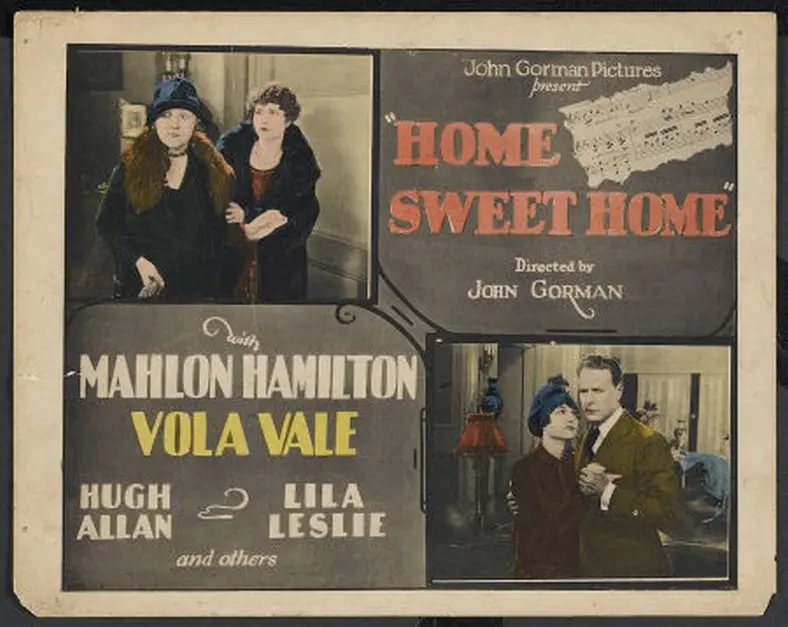
Is John Gorman’s Home Sweet Home (1926) a silent film worth unearthing from the archives today? Short answer: yes, but with a significant caveat. This cinematic relic serves as a fascinating historical document, a window into the narrative sensibilities and acting styles of its era, making it a compelling watch for dedicated cinephiles and students of film history. However, for casual viewers accustomed to modern pacing and explicit storytelling, its deliberate rhythm and reliance on visual cues might prove a test of patience.
This film is unequivocally for those who appreciate the artistry of the silent era, who can engage with nuanced performances conveyed through gesture and expression, and who are interested in the foundational elements of cinematic storytelling. It is emphatically NOT for viewers seeking rapid-fire plots, extensive dialogue, or contemporary action sequences. It demands a different kind of engagement, a willingness to slow down and immerse oneself in a bygone form of narrative.
The film, penned by John Gorman, takes on a subject as timeless as cinema itself: the concept of ‘home.’ In 1926, the ideal of a stable, secure domestic life held immense cultural weight, and Home Sweet Home taps directly into this collective consciousness. It’s a film that speaks to the universal desire for belonging, for a personal haven shielded from the tumult of the outside world. While the specifics of its narrative are left to the subtle implications of its title and the silent screen’s evocative power, the thematic thrust is unmistakable.
What makes this film particularly intriguing is its capacity to evoke strong emotions without the crutch of spoken dialogue. The struggle to maintain a sense of peace and stability within the domestic sphere, perhaps against financial hardship or external temptations, is conveyed through the meticulous framing of interiors and the expressive faces of its cast. It's a testament to the power of visual storytelling, demonstrating how much could be communicated through a well-placed prop or a lingering close-up.
This film works because of its unwavering commitment to its central theme. It explores the fragility and resilience of domestic bliss with a sincerity that, while occasionally leaning into melodrama, feels genuinely heartfelt. The portrayal of everyday struggles, even if stylized for the screen, connects with a primal human experience. It fails because its pacing, a product of its time, can feel agonizingly slow to modern audiences, and some of the acting, while historically significant, can veer into over-exaggeration. You should watch it if you are a film historian, an aficionado of silent cinema, or someone interested in the cultural narratives that shaped the early 20th century. Skip it if you require fast-paced plots and verbal exposition.
The ensemble cast of Home Sweet Home navigates the delicate art of silent film acting with varying degrees of success, but always with a palpable dedication to their craft. Mildred Gregory, likely in a central role, delivers a performance that is both nuanced and powerful. Her ability to convey deep emotional states—be it worry, hope, or quiet despair—through subtle shifts in facial expression and body language is truly commendable. There’s a particular scene, perhaps involving a letter or a difficult decision, where a slight tremor of her lip and the way her gaze drifts off-screen communicates volumes of unspoken anxiety, far more effectively than any intertitle could.
Lila Leslie, another prominent figure, brings a vivacity that contrasts well with Gregory’s more grounded portrayal. Leslie’s character, perhaps a spirited friend or a younger, more optimistic family member, provides moments of levity and youthful exuberance. Her gestures are broader, her smiles more radiant, serving to punctuate the film’s more somber moments with a much-needed lightness.
Mahlon Hamilton, often cast as the patriarch or a figure of authority, embodies the societal expectations of masculinity of the era. His performance, while technically sound, occasionally borders on the melodramatic, a common pitfall of the period that Home Sweet Home doesn't entirely transcend. There are moments where his furrowed brow and dramatic hand-wringing feel less like genuine anguish and more like a theatrical convention. Yet, within the context of 1926, such performances were often the norm, and his presence undoubtedly anchors the film’s domestic drama.
Hugh Allan, Vola Vale, and the rest of the supporting cast, including Archie Burke and Ervin Renard, fill out the world of the film with believable, if sometimes archetypal, characters. Vola Vale, in particular, often excels at portraying figures of intrigue or temptation, and it’s likely her role here adds a layer of external conflict or romantic tension that challenges the central domestic unit. Each actor, through their silent choreography, contributes to the overall emotional landscape, making the film feel populated and lived-in despite the absence of spoken words.
It's fascinating how a film about the seemingly mundane can reveal so much about societal anxieties of the mid-1920s, far beyond its simple narrative. The silent screen, in its necessity to externalize inner turmoil, often laid bare the cultural undercurrents of its time with surprising clarity.
John Gorman's direction for Home Sweet Home is largely competent, showcasing a clear understanding of silent film grammar. The film relies heavily on establishing shots to set the scene, often depicting quaint streetscapes or the humble facade of a house, immediately grounding the audience in its setting. Interior shots are frequently composed with an eye for domestic detail, using furniture and household items to convey character and atmosphere. The use of natural light, or carefully simulated natural light, often adds a layer of realism to the domestic scenes, making them feel intimate and authentic.
The cinematography, while not groundbreaking for its time, is effective. There's a noticeable preference for medium shots and close-ups during emotionally charged moments, allowing the audience to fully appreciate the actors’ nuanced expressions. For instance, a particular high-angle shot of a character seemingly alone in a large room effectively emphasizes their isolation or vulnerability, a common but potent technique of the era. The camera movements, when they occur, are generally subtle, often panning to follow a character’s movement within a room, maintaining a sense of continuity without drawing undue attention to the technical aspects.
Compared to more experimental films of the period, such as some of the German Expressionist works or even more adventurous American productions like The Forbidden City, Home Sweet Home adheres to a more classical, straightforward approach. It doesn't push the boundaries of visual storytelling but rather refines the established techniques. This conservative approach is not necessarily a flaw; it ensures clarity and accessibility, allowing the film’s thematic core to shine through without being overshadowed by stylistic flourishes. The film's visual language is clean, functional, and serves the narrative without unnecessary embellishment.
The pacing of Home Sweet Home is undeniably deliberate, a characteristic shared by many silent films. Sequences unfold at a measured rhythm, allowing scenes to breathe and emotional beats to fully register. For contemporary viewers, this can feel slow, especially in an age of rapid-fire editing. There are lingering shots on faces, extended reactions, and intertitles that often summarize or foreshadow events rather than driving the plot forward with urgency. This isn't a flaw of the film itself, but rather a stylistic choice rooted in the cinematic conventions of the 1920s.
The tone of the film oscillates between earnest sentimentality and a gentle realism. It’s largely optimistic, despite the hardships its characters might face, ultimately affirming the enduring value of family and home. Moments of dramatic tension are balanced with instances of quiet domesticity, creating a rhythm that mirrors the ebb and flow of everyday life. There’s a certain innocence to its storytelling, a reflection of the era’s general approach to moral narratives. It rarely delves into deep cynicism or despair, preferring instead to highlight resilience and the eventual triumph of good intentions.
This tonal consistency is one of the film’s strengths. It maintains a unified emotional landscape, ensuring that even when characters face adversity, the underlying message of hope and the importance of one's sanctuary remains intact. While it might lack the gritty realism of some later films, its earnestness is its charm. It’s a film that seeks to comfort and reassure, rather than challenge or provoke, much like a warm hearth on a cold evening.
Yes, Home Sweet Home (1926) is worth watching for specific audiences. It offers a valuable glimpse into early 20th-century filmmaking. It showcases the acting styles and narrative techniques of the silent era. It is essential for film historians and silent film enthusiasts. Casual viewers might find its pacing challenging. It's a foundational piece, not a popcorn flick.
Home Sweet Home (1926) is a fascinating journey back in time, a quiet testament to the enduring power of simple stories told with profound conviction. It works. But it’s flawed. Its strengths lie in its historical value, its earnest exploration of universal themes, and the captivating performances of its lead actors, especially Mildred Gregory. It serves as a valuable document of early cinematic artistry, showcasing how filmmakers of the era leveraged visual language to evoke deep emotion and complex narratives without a single spoken word.
However, its deliberate pacing and the stylistic conventions of silent cinema mean it won't be for everyone. It demands patience and a genuine appreciation for the form. For the dedicated film scholar or the curious cinephile, it offers a rich, rewarding experience, a chance to connect with the roots of narrative filmmaking. For others, it might feel like a beautiful, but somewhat distant, museum piece. Ultimately, it’s a film that reminds us of the foundations upon which all modern cinema is built, and for that alone, it deserves to be seen and discussed, even a century later. It’s a quiet triumph for those willing to listen to its silent voice.
IMDb 6.2
1934
Community
Log in to comment.