DbcultAccessing Vault...
Cult Review
Senior Film Conservator
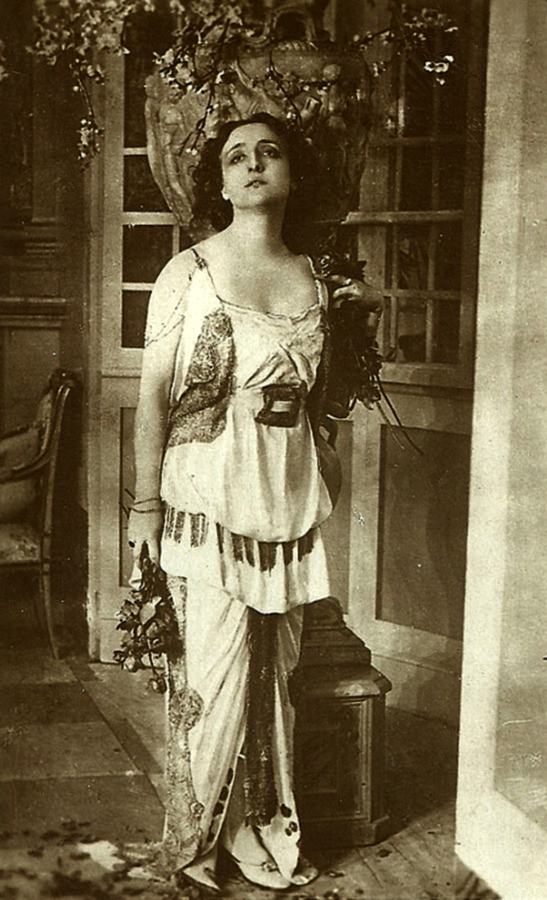
In the pantheon of early Italian cinema, few works capture the transition from religious fervor to secular obsession with the same chromatic intensity as La marcia nuziale (1915). Directed by the prolific Carmine Gallone and adapted from the Henry Bataille play, this film serves as a quintessential artifact of the 'diva' genre. The narrative arc of Grazia de Plessans, portrayed by the incomparable Lyda Borelli, is not merely a story of romantic pursuit; it is a visual exploration of the somatic language of grief and desire. Unlike the more rigid narrative structures found in The Life of Moses, Gallone’s work here prioritizes the interiority of the protagonist, allowing the camera to linger on the micro-expressions of a woman caught between two worlds.
The film opens with a sequence that defines the chiaroscuro of Grazia’s soul. Having abandoned the convent following a mystical crisis, her return to the paternal home is treated not as a homecoming, but as an exile into the unknown. The cinematography employs a sophisticated use of natural light, filtering through the opulent windows of the De Plessans estate, creating a sense of confinement that rivals the cloistered walls she just fled. It is within this architectural silence that Claudio Morillot, the music maestro, enters. His presence is the catalyst for a transformation that is as much auditory as it is visual, despite the inherent silence of the medium.
To discuss La marcia nuziale is to discuss the phenomenon of 'Borellismo.' Lyda Borelli does not simply act; she choreographs a series of emotional postures that define the decadent aesthetic of the era. Her movements are languid, almost liquid, as if every gesture is being pulled by the weight of an invisible tragedy. When Grazia falls in love with Morillot, her physical presence shifts from the rigid, upward-reaching aspiration of the nun to the serpentine, earth-bound curves of the lover. This performance style stands in stark contrast to the more grounded, naturalistic approach seen in contemporary international works like Gatans barn.
The chemistry between Borelli and Francesco Cacace (Morillot) is built upon the tension of the piano lessons. In these scenes, the piano serves as a third character, a bridge between the spiritual music of the church and the passionate compositions of the heart. Gallone utilizes close-ups that were revolutionary for 1915, capturing the trembling of hands and the dilation of pupils. This level of intimacy was rare, predating the psychological depth of films like Jeanne Doré, which also featured a powerhouse female lead but perhaps lacked the specific mystical-erotic synthesis found here.
When we place La marcia nuziale alongside its peers, its unique position in the 1915 cinematic landscape becomes evident. While Defense of Sevastopol focused on the panoramic scale of war and national identity, Gallone turns the lens inward, suggesting that the most violent battles are those fought within the domestic sphere. The film shares a thematic kinship with Should a Woman Divorce?, as both grapple with the suffocating expectations placed upon women by patriarchal society. However, where the latter is a social critique, La marcia nuziale is a poetic tragedy.
The screenplay, penned by Gallone and Bataille, avoids the didacticism often found in moralizing dramas of the period. There is a sense of inevitable doom that mirrors the fatalism of The Wrath of the Gods, yet it is grounded in social reality rather than supernatural intervention. The "Wedding March" of the title becomes a cynical motif—not a celebration of union, but a funeral dirge for Grazia’s autonomy. The societal pressure to marry within one's class, and the subsequent betrayal of her true self, leads to a denouement that is as visually arresting as it is emotionally devastating.
The production design of La marcia nuziale is a masterclass in Art Nouveau influence. The sets are cluttered with the detritus of high society—heavy drapes, ornate mirrors, and suffocating floral arrangements—which serve to heighten the sense of Grazia’s entrapment. This visual density is a precursor to the expressionist movements that would later dominate European cinema. In comparison to the sparse, almost utilitarian sets of The Long Chance, Gallone’s world is one of sensory overload.
Technically, the film pushes the boundaries of the primitive camera. The use of depth of field in the hallway scenes creates a sense of voyeurism, as if the audience is eavesdropping on Grazia’s most private moments of despair. This technique is far more advanced than the flat staging found in A Prisoner in the Harem. Gallone understands that the space between the actors is as important as the actors themselves. The distance between Grazia and her father, or the proximity of Grazia to Morillot, tells a story of power and vulnerability that requires no intertitles.
The central conceit of the "mystical crisis" is what elevates the film from a standard romance to a profound character study. In the early 20th century, the concept of a woman’s spiritual awakening being redirected toward a man was a common trope, yet Borelli imbues it with a visceral reality. We see the echoes of this transition in Without Hope, but Gallone provides a more nuanced exploration of the psychological cost. Grazia’s love for Morillot is not a liberation; it is merely a different form of devotion, one that is subject to the whims of a society that views her as a decorative object.
The supporting cast, including Wanda Capodaglio and Amleto Novelli, provides a necessary counterpoint to Borelli’s ethereal presence. Novelli, in particular, brings a grounded masculinity that highlights Grazia’s fragility. This ensemble dynamic is reminiscent of the complex social hierarchies explored in Samson, though the stakes here are more intimate and personal. The film does not need the epic destruction of a temple to convey the collapse of a world; the closing of a door or the extinguishing of a candle suffices.
Released during a year of global upheaval, La marcia nuziale reflects a world on the brink of losing its innocence. While films like El drama del 15 de Octubre dealt with more immediate political scandals, Gallone’s work speaks to the slow erosion of traditional values. The struggle of Grazia is the struggle of the 19th-century soul trying to navigate the 20th-century’s burgeoning modernity. The film’s obsession with the piano—a symbol of bourgeois domesticity—contrasted with the raw, unbridled emotion of the performances, creates a fascinating tension that mirrors the era’s own contradictions.
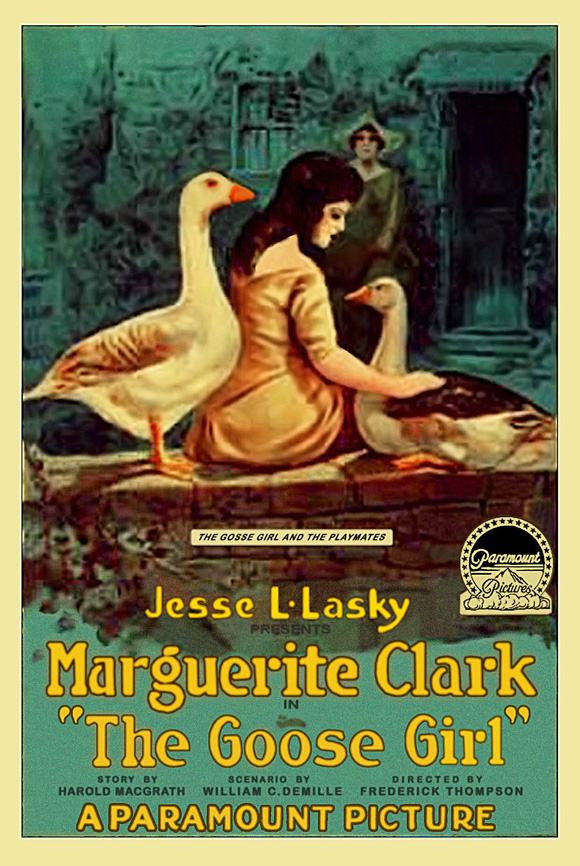
Even in its more melodramatic moments, such as the climactic confrontation regarding her future, the film maintains a level of dignity that prevents it from descending into camp. This is largely due to Gallone’s restraint and his trust in Borelli’s ability to carry the narrative through her eyes alone. This is a far cry from the more frantic pacing of serials like The Red Circle or the comedic timing of Pommy Arrives in Australia. Here, time is stretched, allowing the audience to inhabit the emotional landscape of the protagonist.
Ultimately, La marcia nuziale stands as a monument to a specific moment in film history when the medium was discovering its power to depict the invisible. Through the lens of Grazia’s tragic journey, Carmine Gallone explores the intersections of faith, art, and desire. The film’s influence can be seen in the later works of the 1920s, where the psychological depth initiated by Borelli would become the standard for dramatic storytelling. It is a work of profound beauty and unsettling sadness, a reminder that the most resonant music is often found in the spaces between the notes.
Whether compared to the economic struggles of For $5,000 a Year or the suspenseful urgency of In the Nick of Time, La marcia nuziale remains singular. It does not seek to entertain in the traditional sense; it seeks to haunt. As Grazia moves through the shadows of her life, we are reminded of the fragility of the human spirit when faced with the crushing weight of expectation. Lyda Borelli’s performance remains one of the most significant in the history of the silent screen, a masterclass in the art of being, rather than just doing. In the end, the wedding march is not a beginning, but a hauntingly beautiful finale to a life that dared to seek more than the silence of the convent.
IMDb 7.4
1925
Community
Log in to comment.