Summary
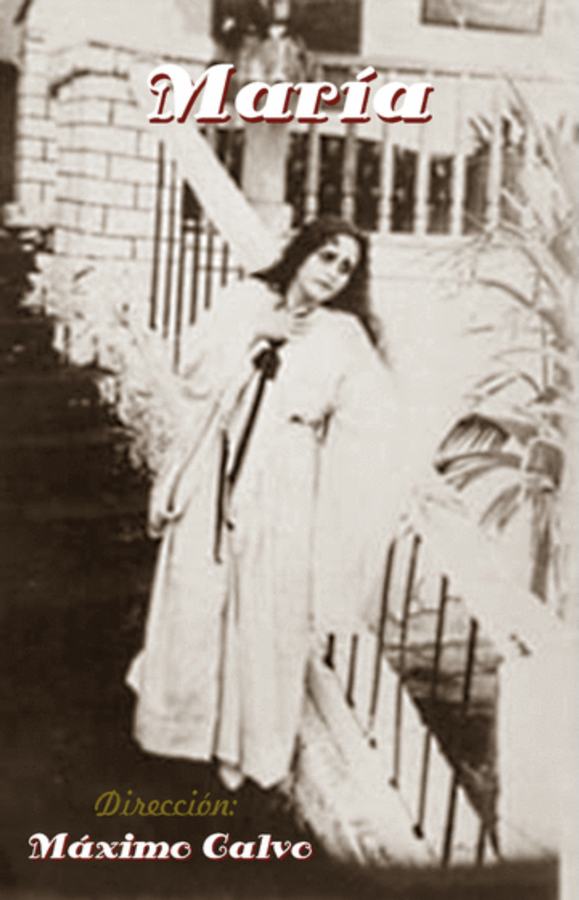
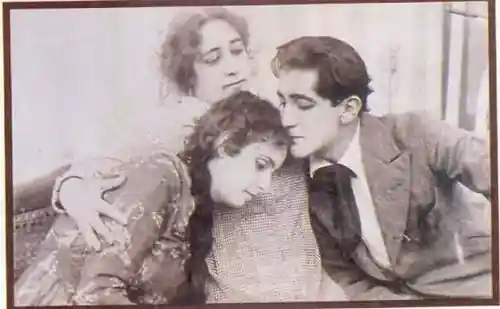
In a fever-dream Colombia of candle-lit haciendas and thunderous sierras, the eponymous María—half-feral child of the Andean mist—grows like a vine around the crumbling stone of her dying world. Her adoptive father, Efraín’s patriarch, ransoms the past by marrying the girl to the land itself, binding her barefoot grace to coffee-scented soil while the cello of a distant storm keeps tolling. Into this Eden slithers Efraín, the heir whose Parisian education has perfumed but not purified him; he returns armed with Enlightenment syllabi yet defenseless against the pagan magnetism of a cousin who calls the river by its secret name. Their first communion is nocturnal: fireflies braid halos above the cane-fields while a single piano chord, repeated like a guilty heartbeat, measures the distance between taboo and inevitability. Isaacs’ novel, already a wound of nostalgia, is re-chambered by del Diestro into visual sorcery: candlewax becomes a diary, moonlight a notary, every close-up of María’s throat a premonition of the rope that will finish what desire began. When the cholera outbreak gallops through the valley like conquistadors on ghost-horses, the lovers flee to a ruined abbey where frescoed saints peel from the walls like over-ripe fruit; there, amid bats and confessionals, they consecrate their fallacy of permanence. Back on the plantation, the slaves whisper that María’s eyes have turned jacaranda-blue, the color of drowned Virgins; in truth she is pregnant with the future’s stillbirth. The final reel unspools in a cataract of silhouettes: Efraín carrying her corpse across a lagoon that reflects neither sky nor stars, only the negative space of a nation unable to imagine itself without sacrificial blood. The last image—a slow dissolve from María’s open hand to a seed germinating in black earth—implicates the viewer as accomplice: we have watched colonialism’s original sin mutate into the endemic tragedy of a country that keeps naming its daughters María, hoping the word itself might one day return to save them.
Review Excerpt
"
p,li{line-height:1.7;margin:0 0 1.2em}h2{color:#C2410C;font-size:1.9rem;margin:2.5rem 0 1rem;letter-spacing:.5px}a{color:#EAB308;text-decoration:none;border-bottom:1px dotted #EAB308}a:hover{color:#0E7490;border-color:#0E7490}blockquote{border-left:4px solid #0E7490;margin:2rem 0;padding:1rem 1.5rem;font-style:italic;color:#ddd}ul{padding-left:1.4rem}strong{color:#C2410C}
There are films you watch and films that watch you. La María—shot in 1921 among the cloud-kissed coffee terraces outside Man..."