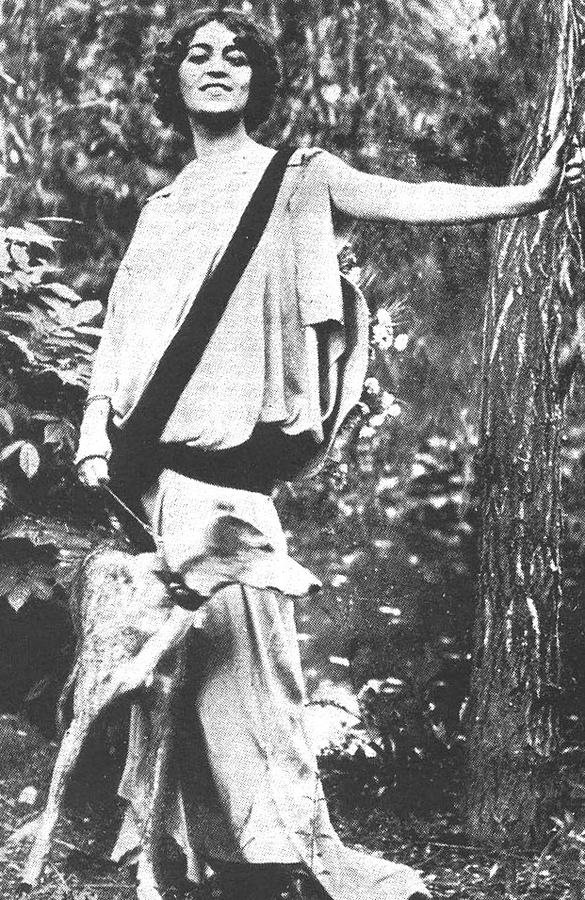
A story of a woman who becomes blind and, thanks to love, is able to see again..
Felice Cavallotti
Italy
In the pantheon of early twentieth-century cinema, few works manage to capture the ephemeral intersection of physical frailty and spiritual fortitude as poignantly as Lea. This 1916 silent-era gem, directed during a period of immense artistic experimentation in Italian cinema, stands as a testament to the power of v...
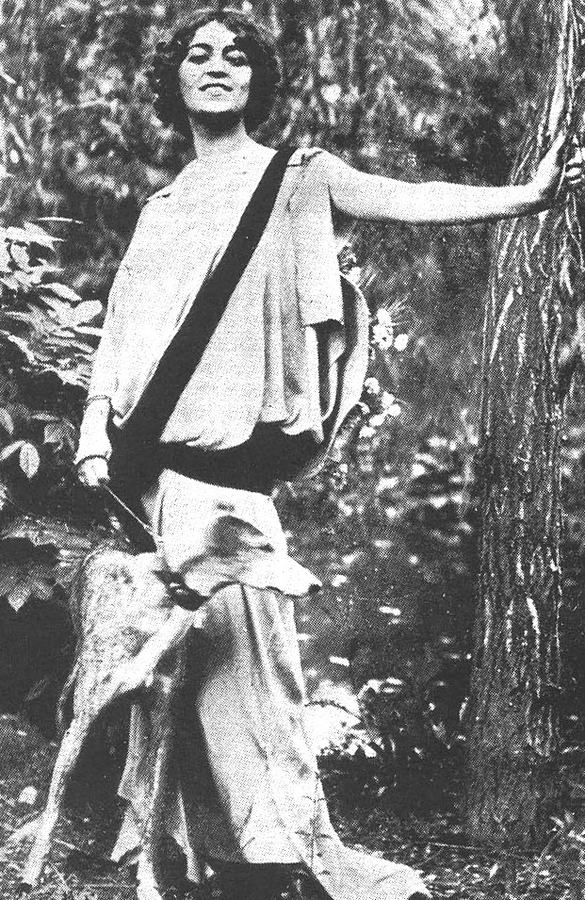
still_frame
Community
Log in to comment.
" In the pantheon of early twentieth-century cinema, few works manage to capture the ephemeral intersection of physical frailty and spiritual fortitude as poignantly as Lea. This 1916 silent-era gem, directed during a period of immense artistic experimentation in Italian cinema, stands as a testament to the power of visual storytelling before the advent of the synchronized voice. It is a film that demands we look beyond the surface, much like its eponymous protagonist, to discover the vibrant c..."