DbcultAccessing Vault...
5.8/10
Senior Film Conservator
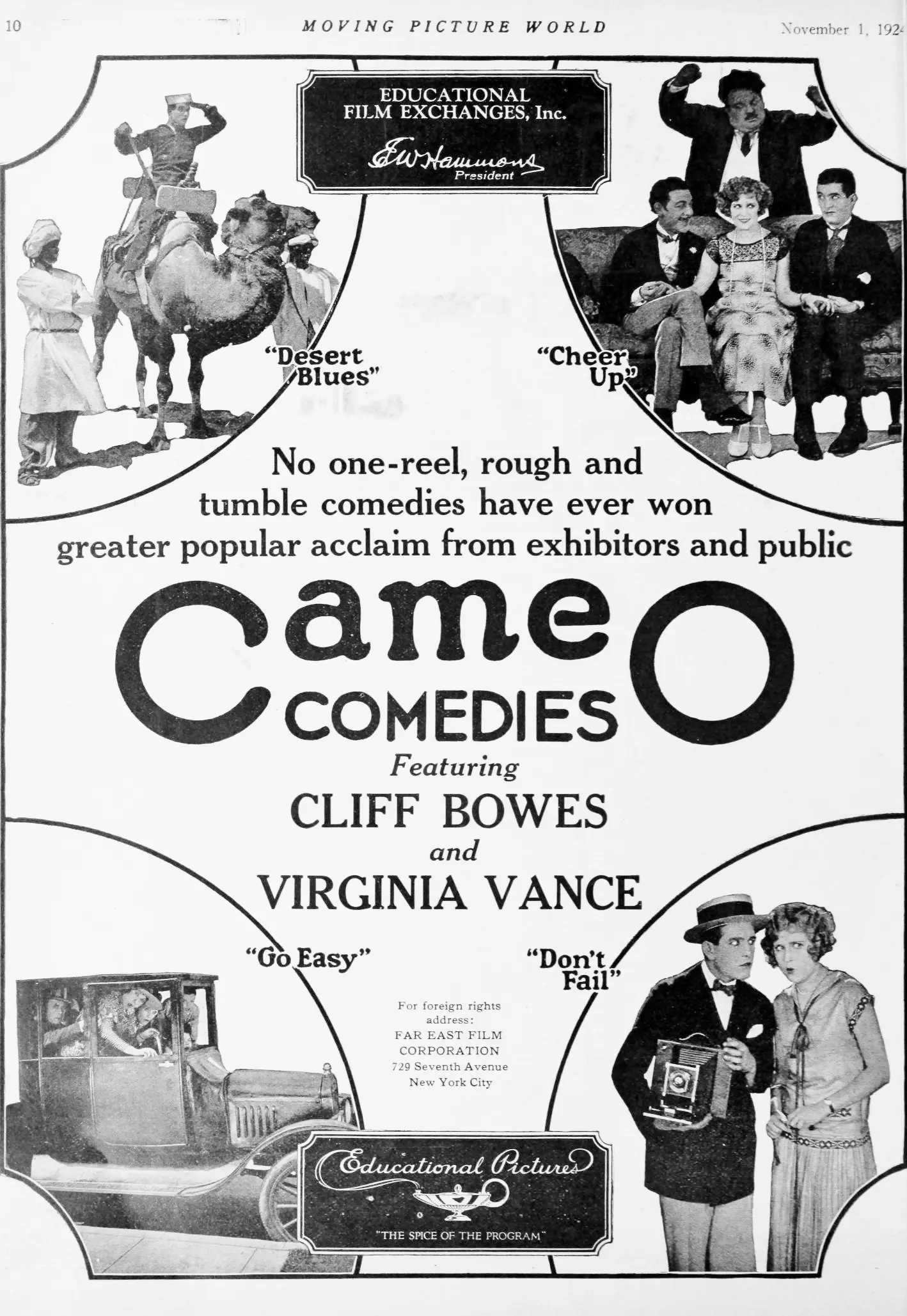
A definitive 5.8/10 rating for a film that redefined the boundaries of cult cinema. Cheer Up remains a cornerstone of transgressive art.
The year 1924 was a watershed moment for the visual grammar of the short-form comedy, and Cheer Up stands as a testament to the era's obsession with physical equilibrium and its subsequent, violent disruption. Unlike the heavy, existential weight found in international dramas like Crime and Punishment, this film operates on the logic of the lever and the fulcrum. It is a world where emotions are not whispered in shadows but are instead telegraphed through the frantic tilting of a torso or the widening of a frantic eye.
At the heart of this comedic engine are Cliff Bowes and Eddie Boland, two performers who understood the inherent humor in the struggle for status. Bowes, with his peculiar brand of optimistic agility, portrays a man whose victory feels almost accidental, a byproduct of his inability to stay down. Boland, conversely, provides a masterclass in the 'slow burn.' While contemporary films like Polly with a Past dealt with social artifice, Boland deals in the raw, unadulterated spite of the loser. His performance is a dark mirror to the protagonist's joy, a precursor to the more cynical antagonists we would see later in the decade.
Virginia Vance, though relegated to the role of the romantic catalyst, provides the necessary grounding for this absurdity. In the silent era, the 'girl' was often a static goalpost, yet Vance manages to inject a sense of genuine stakes into the proceedings. Without her presence, the rivalry between Cliff and Eddie would be a mere exercise in physics; with her, it becomes a desperate grab for a future that Eddie feels has been unjustly stolen from him.
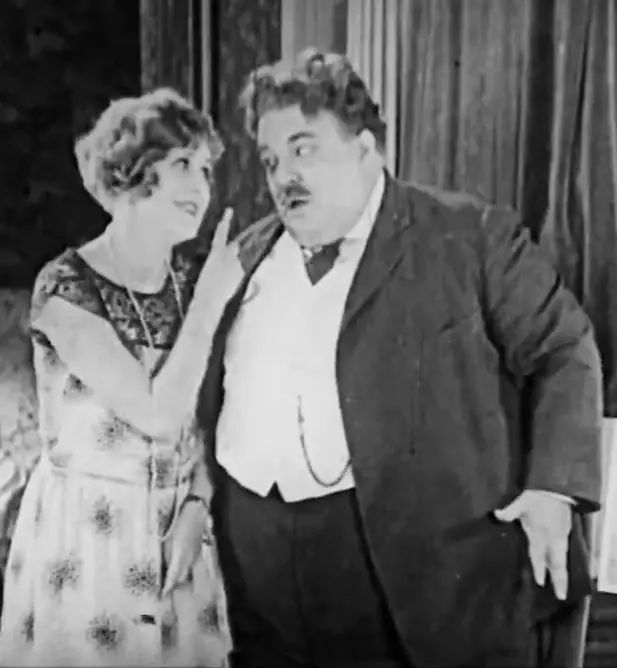
The final act of Cheer Up is where the film transcends the standard tropes of the 'Mermaid Comedies' series. The transformation of the marital home into a chaotic labyrinth of traps and debris is a stroke of genius that prefigures the 'destructo-comedies' of Laurel and Hardy. While The Battle of Life looks at the internal struggles of the human spirit, 'Cheer Up' externalizes that battle until the very walls are weeping plaster. The house becomes a character in its own right—a collaborator in Eddie's revenge.
The technical execution of the 'shambles' is surprisingly sophisticated for 1924. Objects fall with a rhythm that suggests a conductor was behind the camera. Every collapsing shelf and trick door is timed to the microsecond, creating a symphony of domestic failure. It is a jarring contrast to the high-society elegance often depicted in Temporary Marriage. Here, the marriage isn't temporary because of legalities, but because the physical environment for it has been systematically annihilated.
When we place Cheer Up alongside its contemporaries, its unique flavor becomes even more apparent. While Die Herrin der Welt 2. Teil was pushing the boundaries of epic adventure and international intrigue, this short was perfecting the art of the localized disaster. There is something deeply human—and deeply terrifying—about the petty vengefulness displayed by Eddie. It lacks the stoic tragedy of Bespridannitsa, opting instead for a cathartic, albeit destructive, release of energy.
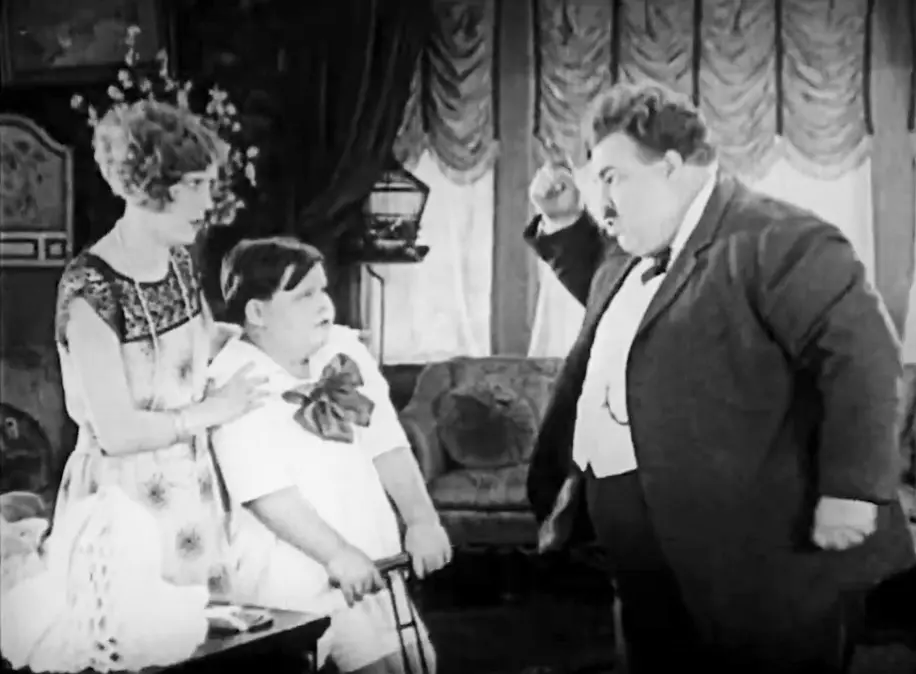
Even compared to the courtroom tension of On Trial, the stakes in 'Cheer Up' feel oddly more immediate. A man's home is his castle, and to see that castle dismantled by a man with a grudge is a primal comedic hook. It taps into the same anxieties explored in Pitfalls of a Big City, though here the pitfall is not the city itself, but the spite of a former friend.
One cannot overlook the sheer visual clarity required to make this film work. In an era without CGI, every stunt was a gamble with gravity. The way the camera captures the crumbling interior of the house requires a depth of field that ensures the audience sees both the reaction of the newlyweds and the cause of their dismay. It is as much a feat of engineering as it is of acting. The film shares a certain pioneering spirit with Nankyoku tanken katsudo shashin—while one explored the frozen wastes, the other explored the limits of the practical set.
The pacing is relentless. From the initial courtship to the final collapse, there is a sense of an impending storm. This isn't the slow, unfolding narrative of Obryv; it is a sprint. The editing, likely overseen with a keen eye for the 'gag,' ensures that no moment is wasted. Every frame serves the eventual punchline, which is the total dissolution of the domestic ideal.
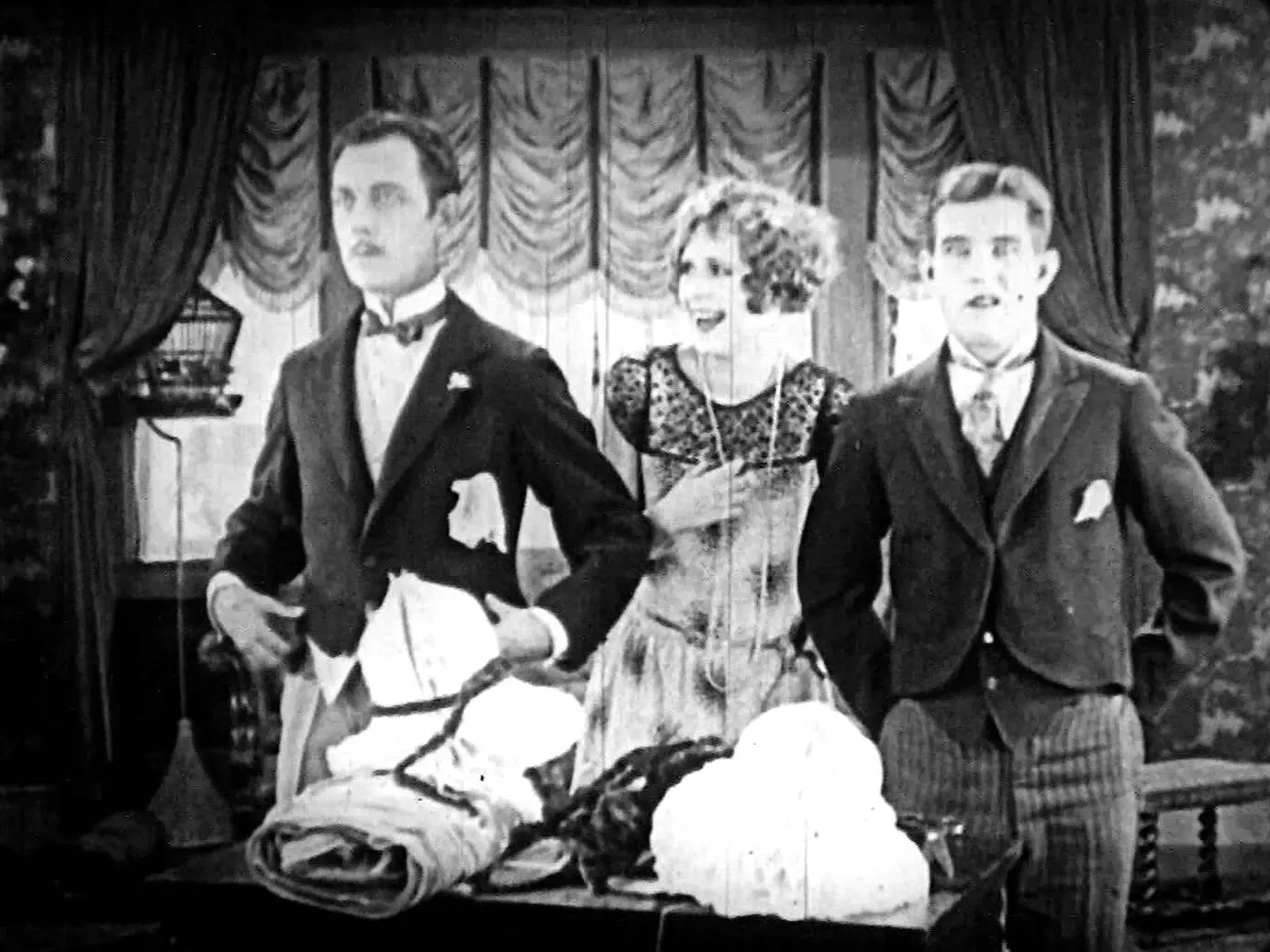
What makes Cheer Up particularly resonant today is its depiction of 'the loser.' In many films of the period, such as En defensa propia, the antagonist is often a mustache-twirling villain or a societal force. Here, Eddie is just a guy who lost. His reaction is immature, violent, and hilariously thorough. It’s a subversion of the happy ending; Cliff gets the girl, but he loses the roof over his head. It asks the question: is the prize worth the price of admission?
This film also serves as a fascinating counterpoint to the fairytale logic of Sleeping Beauty. There is no magic here, only the physics of spite. When we look at the work of the other cast members like Frank Alexander and Tommy Hicks, we see a supporting ensemble that understands the assignment: maintain the illusion of reality just long enough for the comedy to shatter it. They provide the texture of a real world that is about to be turned upside down.
The use of light and shadow in the final scenes is particularly noteworthy. As the house falls apart, the lighting becomes more erratic, mirroring the psychological state of the characters. It lacks the brooding intensity of The Woman on the Index, but it possesses a frantic luminosity that keeps the mood light despite the destruction. The sea-blue tints often used in silent film restoration for night scenes would have added a layer of cool detachment to Eddie's nocturnal sabotage, though the surviving prints focus on the high-contrast clarity of the daytime disaster.
The film's brevity is its strength. At a time when films like Paa slaget 12 were experimenting with longer-form tension, 'Cheer Up' remains a concentrated burst of energy. It doesn't overstay its welcome. It sets up the pins and knocks them down with a bowling ball made of pure malicious intent. It is a reminder that in the world of silent comedy, the most effective tool wasn't the title card, but the well-timed collapse of a ceiling fan.
Ultimately, Cheer Up is more than just a footnote in the history of Educational Pictures. It is a vibrant, albeit violent, exploration of the fragility of the 'happily ever after.' It stands alongside films like O Segredo do Corcunda as a piece of cinema that utilizes the physical form to tell a story that words would only complicate. It is a masterclass in visual storytelling, where the punchline is written in debris and the protagonist's resilience is tested not by dragons, but by a very angry man with a toolkit.
If you are looking for a film that encapsulates the spirit of 1920s slapstick—the daring stunts, the inventive sets, and the sheer audacity of the comedy—look no further. It is a film that demands to be seen, not just for its laughs, but for its incredible craftsmanship. It reminds us that while the movies have learned to talk, they haven't necessarily learned to be any more expressive than a man standing in the ruins of his own living room, wondering where it all went wrong.

IMDb —
1934
Community
Log in to comment.