Summary
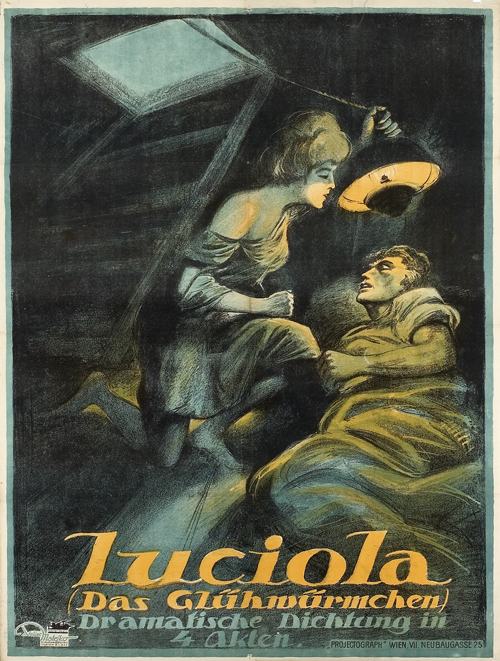
Rio’s gas-lamps flicker like dying stars over 1870s Laranjeiras, where the consumptive lawyer Paulo Dias drifts through salons and séances clutching a tattered volume of Lucretius and a heart ossified by grief. Into this candle-smoke microcosm glides Lucíola—courtesan, phosphorescent myth, a woman whose skin seems dusted with pulverized topaz—her laughter igniting cavaquinho chords and scandal in equal measure. Alencar’s narrative corset unwraps in serpentine flashback: a beach at dusk where child-Lucíola, then Luzia, sells jasmine to officers; a Jesuit college where adolescent Paulo first mistakes lust for transcendence; a moonlit quay where a British corvette ferries away her innocence beneath Union-Jack bunting. What follows is no mere fall, but a metamorphosis: Luzia becomes Lucíola, the "little light" who glows brightest in the dark pockets of masculinity—gambling dens, rubber-baron soirées, the velvet antechambers where republican conspirators whisper coup d’état over absinthe. Paulo, now her reluctant Pygmalion, oscillates between salvation and possession, while she trades her body for emeralds yet hoards her true self inside a lacquered music-box that plays a lullaby her mother sang before yellow fever dissolved the family into cemetery weeds. The film’s visual lexicon marries hand-tinted frames—cyanotypes for memory, carmine for desire—to stroboscopic cuts that mimic kerosene sputters; Edmundo Maia’s baritone narration leaks through keyholes, confessing that every man in the story is complicit in manufacturing the angel-whore he later crucifies. When Lucíola finally purchases her own plantation in the Paraíba valley, she dons a widow’s veil, signaling her rebirth as proprietor of her own commodity. The climactic conflagration—an accidental lamp explosion or premeditated auto-da-fé?—consumes both mansion and myth, leaving only a phosphorescent after-image on the retina of a black boy who will grow up to write this very tale.
Review Excerpt
"
Gaslight ghosts, courtesan phospor, and the stench of guava-bourbon—Lucíola doesn’t walk into your head, it seeps, like Rio’s winter fog through cracked shutters.
First, the texture: director José de Alencar (adapting his own 1862 novel with sadistic fidelity) shoots on grain-blown 16 mm that he later bleaches with saffron and cobalt. The result feels like peeling a sunburnt shoulder—each frame flakes, revealing rawer pigment beneath. Compare this tactile bruise to the lacquered artifice of Pr..."