DbcultAccessing Vault...
4.6/10
Senior Film Conservator
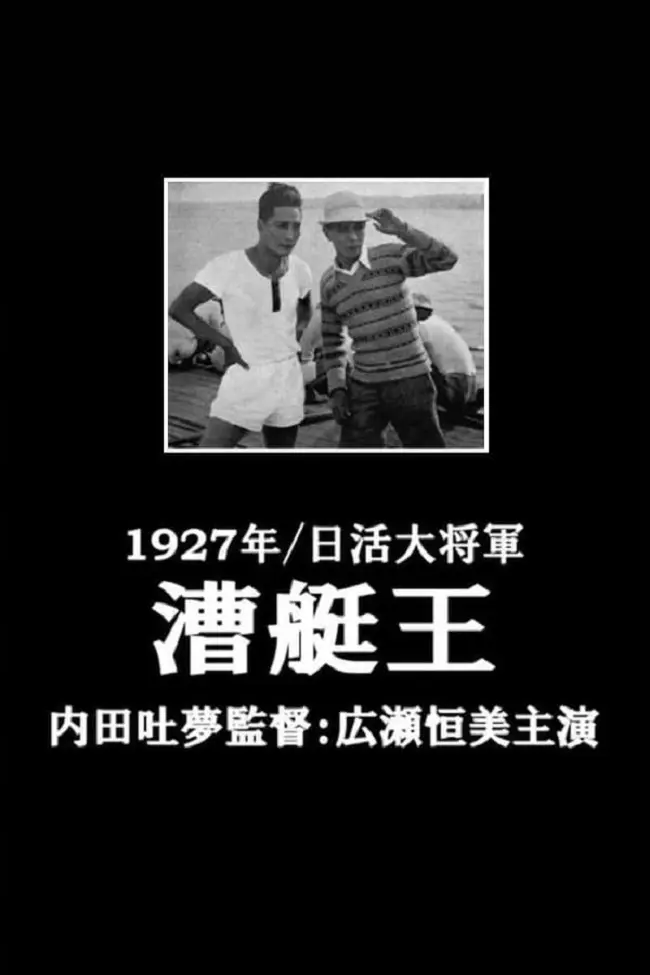
A definitive 4.6/10 rating for a film that redefined the boundaries of cult cinema. Sotei-o remains a cornerstone of transgressive art.
Short answer: If you're drawn to meticulously choreographed athletics and period-specific camaraderie, yes. But if you crave emotional nuance, this might leave you stranded. The Sotei-o regatta is a cinematic life raft for classic sports enthusiasts.
This film works because it captures the visceral energy of student athletes pushing beyond limits. The rowers' synchronized movements become a metaphor for collective determination. It fails because the characters remain silhouettes—names on a boat list rather than fleshed-out individuals. You should watch it if you enjoy physical storytelling that prioritizes movement over dialogue.
Yes for: Vivid athletic sequences and period-appropriate camaraderie. No for: Shallow character development or slow pacing. Best paired with:
Yoshiaki Yano’s direction turns the regatta into a kinetic ballet. The film’s opening sequence—rowers practicing under morning mist—establishes a rhythm that mirrors their breathing. This precision extends to the cinematography: wide-angle shots frame the boats like floating chess pieces, while close-ups catch sweat beading on chins. The climax at the Waseda-Keio race is a technical marvel, with overlapping sound design (crowd roars, water splashes) creating aural tension that rivals the visual stakes.
The acting is a mixed bag. Tsunemi Hirose as Mochizuki delivers stoic determination, but his emotional range feels clipped. Contrast this with Yutaka Mimasu’s supporting role as the team captain—a character defined by clipped dialogue and physical gestures. Their chemistry during a mid-film conflict scene (where Mochizuki challenges the captain’s methods) is the film’s emotional high point, though it resolves too quickly to leave lasting impact.
Sotei-o is a film about legacy—both athletic and cinematic. It pays homage to 1950s sports films with its focus on collective achievement over individual glory. Yet this reverence becomes a cage. A subplot about a veteran coach (Ichirō Sugai) struggling with retirement feels tacked on, as if the script couldn’t decide whether to honor tradition or critique it. This tension never fully resolves, leaving the film in a liminal space between homage and critique.
The soundtrack amplifies this duality. Traditional shamisen music underscores training montages, while modernist strings accompany the regatta itself. This clash of styles mirrors the film’s internal conflict: is it a celebration of student sports or a critique of its rigidity? The answer shifts with each scene.
Sotei-o is a film that races ahead with the urgency of its protagonists, only to falter at the finish line. It succeeds as a technical achievement but falters as a human story. For those who find beauty in athletic discipline and historical specificity, it offers rewarding moments. But for skeptics of its rigid structure, the film’s emotional flatness will feel like an anchor. Watch it if you want to witness a bygone era of sports filmmaking—just don’t expect to make personal connections.

IMDb 5.5
1931
Community
Log in to comment.