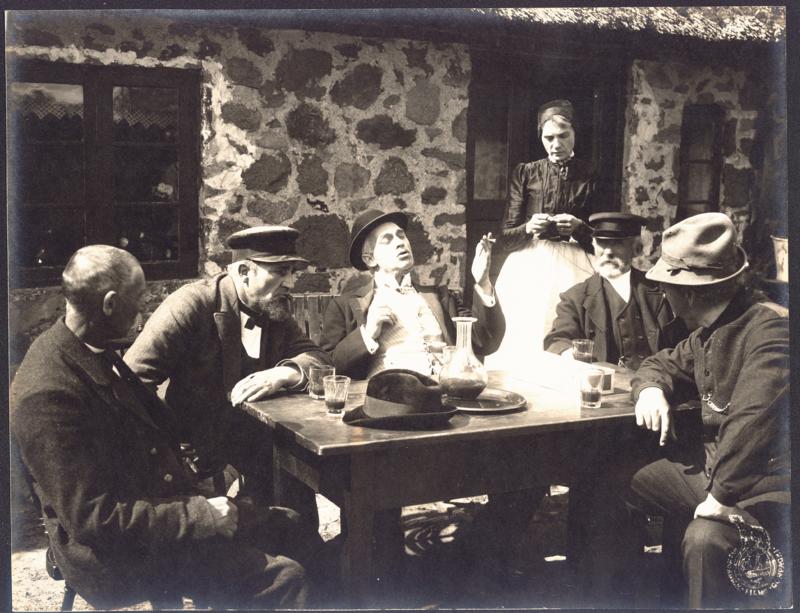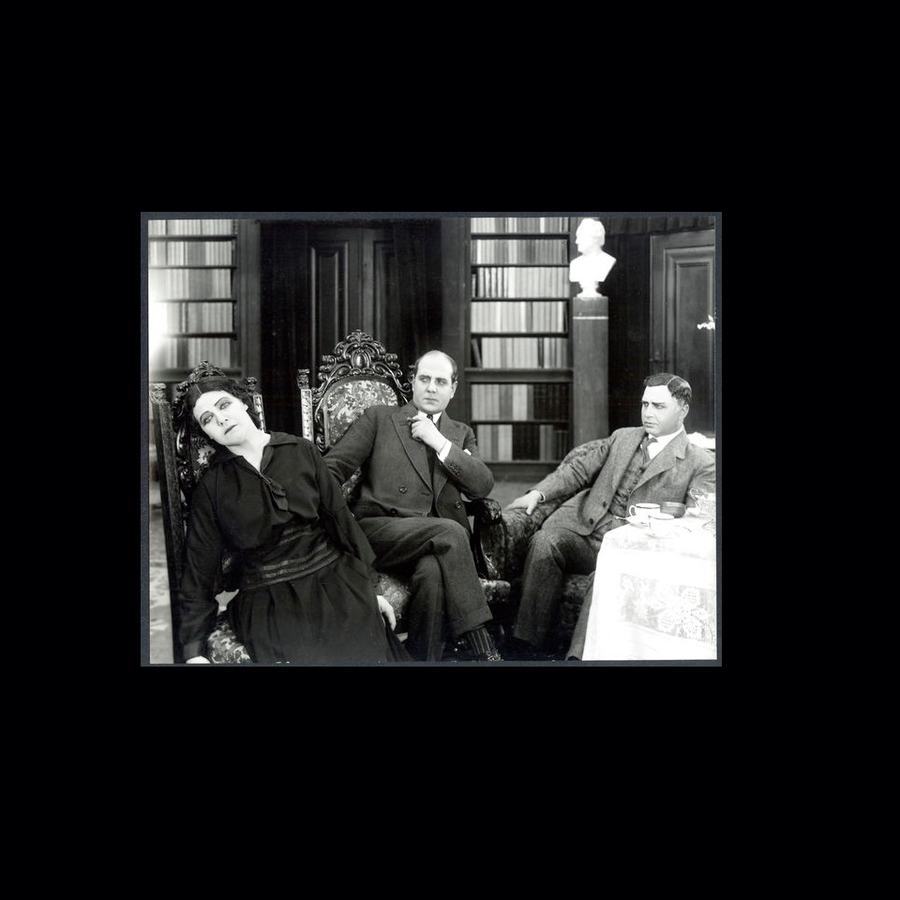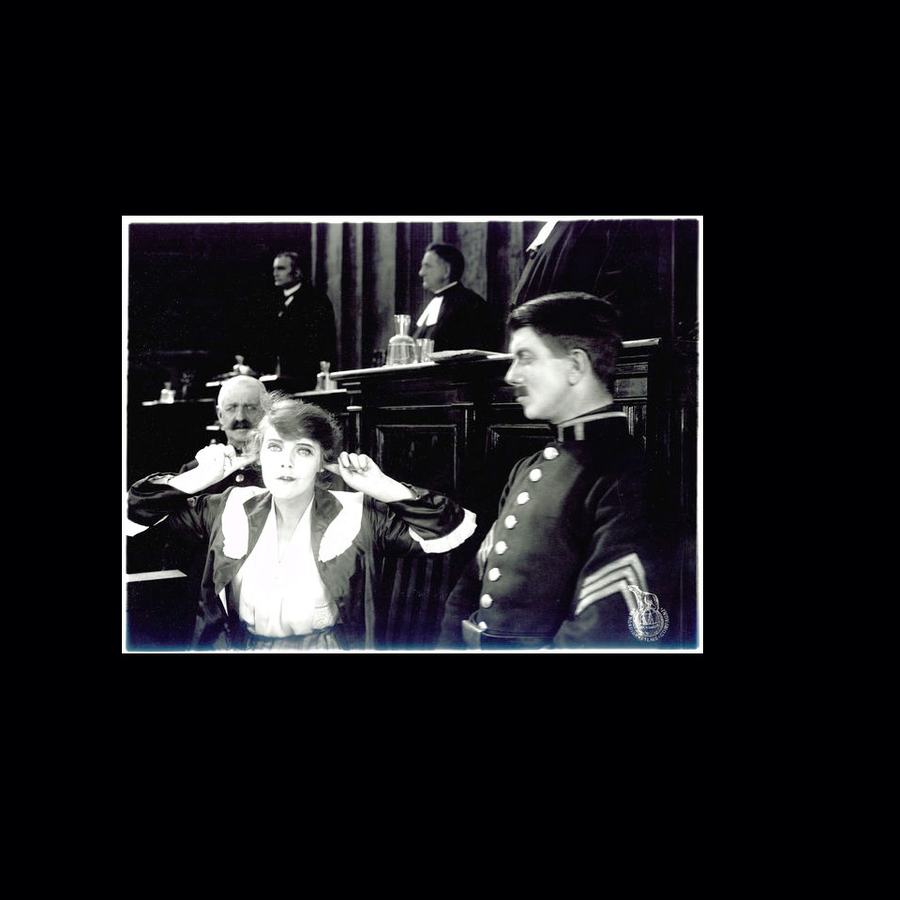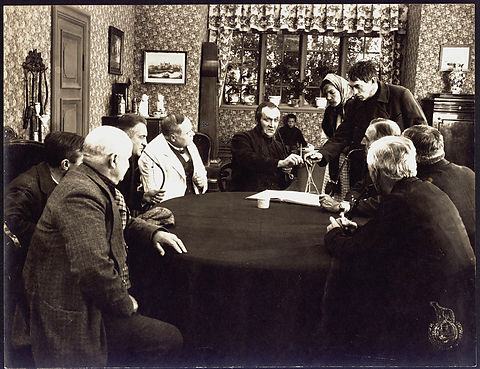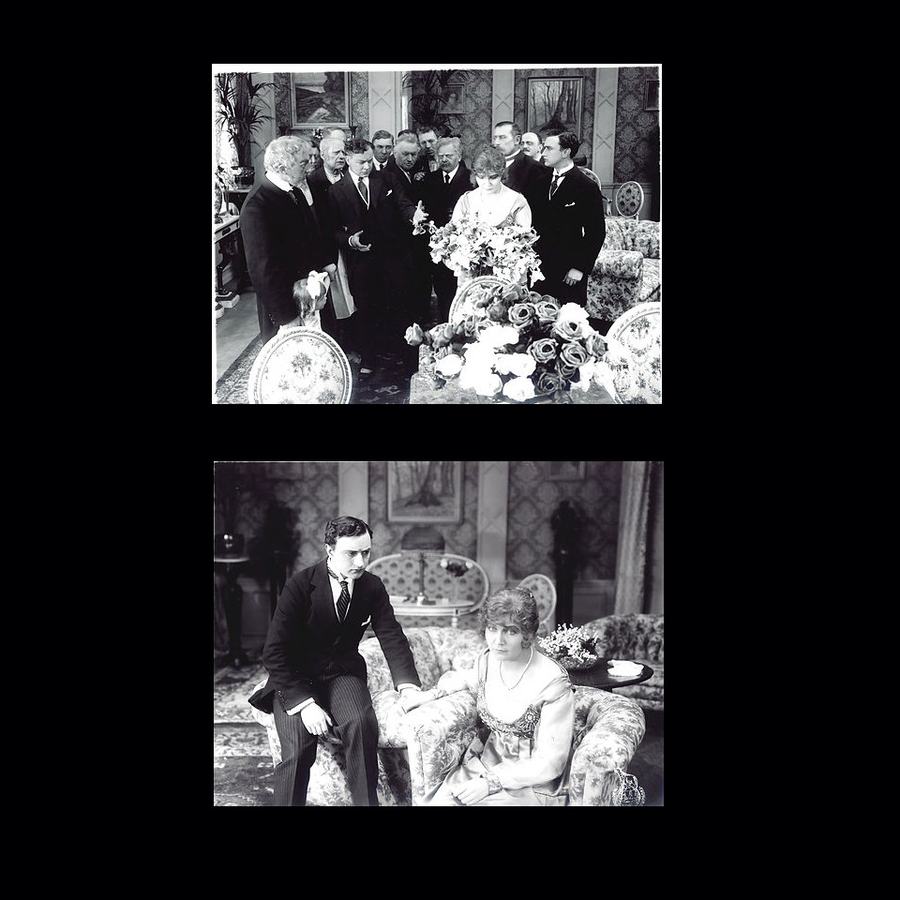
In the pantheon of Scandinavian silent cinema, few works capture the agonizing intersection of material aspiration and spiritual bankruptcy with the surgical precision of Lykkens blændværk. Released in 1918, a year defined by the global convulsions of the Great War’s end, Emanuel Gregers’ film stands as a monumental ...

publicity

publicity

publicity

publicity

publicity

publicity

publicity

publicity


Comparing the cinematic DNA and archive impact of two defining moments in cult history.
Emanuel Gregers

Emanuel Gregers
Community
Log in to comment.
" In the pantheon of Scandinavian silent cinema, few works capture the agonizing intersection of material aspiration and spiritual bankruptcy with the surgical precision of Lykkens blændværk. Released in 1918, a year defined by the global convulsions of the Great War’s end, Emanuel Gregers’ film stands as a monumental achievement in psychological realism. It eschews the histrionic flourishes common to the era’s lesser exports, opting instead for a simmering, atmospheric tension that feels remark..."


Deep dive into the cult classic
Discover similar cinematic experiences
A Directorial Spotlight on Emanuel Gregers