DbcultAccessing Vault...
3.7/10
Senior Film Conservator
A definitive 3.7/10 rating for a film that redefined the boundaries of cult cinema. After Six Days remains a cornerstone of transgressive art.
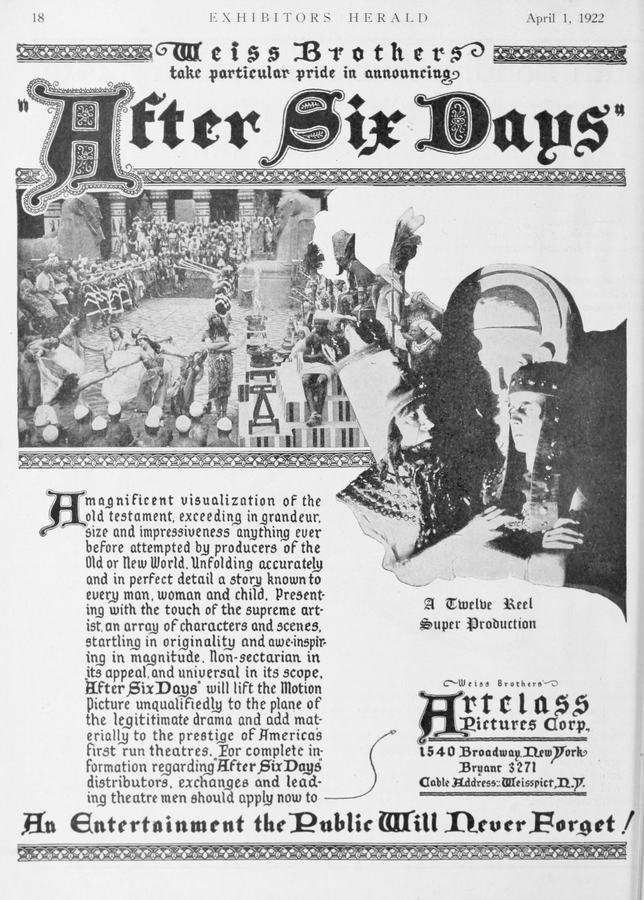
To witness After Six Days (originally La Sacra Bibbia) is to gaze upon the skeletal remains of a cinematic leviathan. In the early 1920s, before the Hollywood studio system had fully codified the language of the 'blockbuster,' Italian filmmakers were already operating on a scale that defied fiscal logic. This production, touted as a $3,000,000 entertainment for the hundred millions, represents the zenith of that era's hubris and artistry. Unlike contemporary works such as The Enemy Within, which operated within the confines of psychological or nationalistic drama, After Six Days sought nothing less than the visual transcription of the Word of God.
The film’s provenance is as murky as the depths of the pre-creation void it depicts. While advertising materials boasted of five years of grueling production at the "Exact Locations of Biblical History," film historians have long grappled with the logistical reality of such a claim. Whether filmed in the deserts of North Africa or the sun-drenched outskirts of Rome, the result is a tactile, gritty realism that contrasts sharply with the polished artifice of later DeMille epics. The grain of the 16mm preservation print—a 1929 sound reissue—only adds to the sense of unearthing a lost civilization. The textures of the stone, the heavy weaves of the costumes, and the sheer physicality of the thousands of extras create a haptic experience that modern CGI cannot replicate.
The structural integrity of the film relies on its episodic grandeur. We begin with the creation of Adam and Eve, a sequence that utilizes the soft-focus pastoralism common in the era but imbues it with a certain Mediterranean sensuality. The performances of Umberto Semprebene and the ensemble cast avoid the frantic gesticulation of lesser silent films, opting instead for a statuesque dignity. This is not the melodrama of Her Maternal Right; it is a liturgical reenactment. Each frame is composed like a Renaissance painting, utilizing the deep shadows and high-contrast lighting that would later define the Italian aesthetic in films like Satanasso.
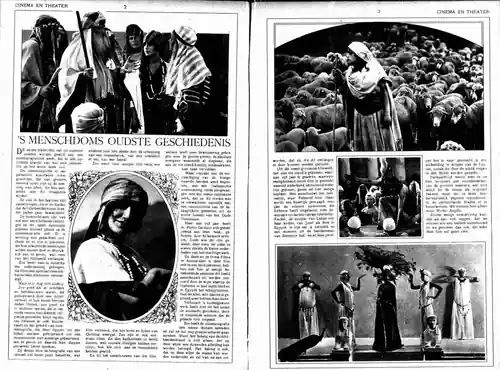
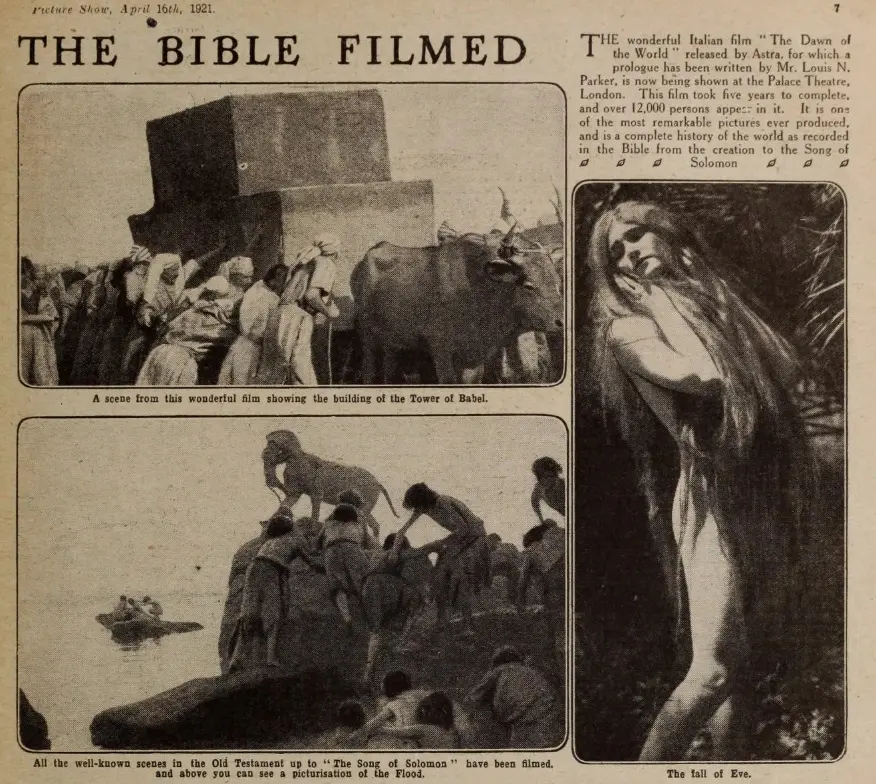
As the narrative progresses through the fratricide of Cain and the building of the Ark, the scale of the production expands exponentially. The Deluge sequence is a masterclass in practical special effects. The sheer volume of water unleashed upon the sets provides a visceral sense of peril. There is no digital safety net here; one feels the weight of the elements. It is this commitment to the 'physical' that separates After Six Days from the more stage-bound productions of the time, such as the 1914 version of Anna Karenina. While the latter focuses on the interiority of the soul, Vay’s epic focuses on the soul’s place within a terrifyingly vast cosmos.
The version available to modern audiences is the 1929 seven-reel reissue, which arrived at the dawn of the talkie revolution. This iteration is a fascinating artifact of a transitional period. The addition of a synchronized score and sound effects serves to heighten the theatricality, though it occasionally clashes with the purely visual poetry of the original 1920 footage. The sound of the Red Sea parting, or the cacophony of the Egyptian chariots, adds a layer of sensory input that the original audiences would have had to provide with their own imaginations or a live orchestra.
This sonic layer transforms the film into something akin to an opera. The voices—while not lip-synced in the modern sense—provide a declamatory weight to the proceedings. It reminds one of the stylistic experimentation found in Dernier amour, where the medium was stretching its wings to find a new identity. The 1929 reissue of After Six Days is not merely a film with sound; it is a silent giant being given a voice, however booming and unrefined that voice may be.
The latter half of the film, focusing on Moses and the Exodus, is where the production’s $3,000,000 budget is most evident. The Egyptian court is a marvel of art direction, rivaling the opulent sets of Du Barry. The use of depth in the frames—showing the vast distance between the Pharaoh’s throne and the pleading Hebrew slaves—emphasizes the themes of oppression and divine intervention. Bruto Castellani and the supporting cast inhabit these roles with a gravitas that suggests they were fully aware of the film's intended immortality.
When compared to the lightheartedness of The Donkey Did It or the genre-specific tropes of Tempest Cody Hits the Trail, After Six Days feels like it belongs to a different species of media altogether. It is a progenitor of the 'Sword and Sandal' genre, but it lacks the campiness that would later infect the form. There is a sincerity here, a genuine attempt to grapple with the sublime. The parting of the Red Sea, achieved through clever double exposures and massive water tanks, remains a sequence of genuine awe. It is the moment where the film transcends its status as a historical curiosity and becomes a work of pure cinematic magic.
For decades, After Six Days was a ghost in the archives. The fact that this 16mm print survived is nothing short of a miracle, much like the stories it depicts. Scholars have often wondered why such a successful international box-office hit vanished so completely. Perhaps it was the rapid evolution of film technology, or the shifting political landscape of post-war Europe that saw many Italian silents relegated to the furnace. Its obscurity makes it far more intriguing than the well-documented releases like The Suspect or In Treason's Grasp.
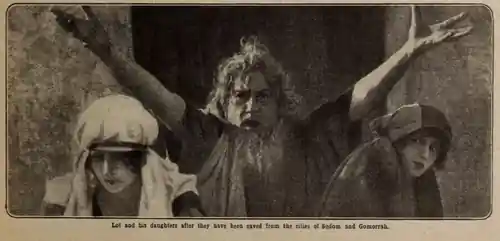
Analyzing the cast, one sees names like Maria Micheli and Augusto Mastripietri—actors who were the backbone of the Italian industry but whose legacies have faded. Their work here is a reminder of the ephemeral nature of fame. In the context of the film's biblical themes, this seems almost appropriate. The film deals with the eternal, yet the medium itself is fragile. The 16mm grain acts as a veil of time, through which we view these ancient figures. It is a stark contrast to the gritty urban realism of Anny - en gatepiges roman or the domestic tensions of Das Geschlecht derer von Ringwall.
One of the most striking aspects of the film is its refusal to modernize the biblical narrative. It adheres to a strict, almost fundamentalist interpretation of the text, which gives it a strange, alien quality to modern eyes. There is no attempt to 'humanize' the divine or provide psychological justification for the plagues. It simply presents them as facts of the cinematic universe. This lack of irony is refreshing. In an age of deconstructed myths, After Six Days stands as a monument to pure belief—both religious and cinematic.
Even the comedic interludes, if they can be called that, are absent. This is not Sherlock Ambrose; there is no room for slapstick in the shadow of Sinai. The film demands a certain level of reverence from its audience, an engagement with the slow, deliberate pace of its storytelling. The seven reels unfold with the inevitability of fate. The cinematography, credited to a team that understood the power of the wide shot, captures the isolation of man against the landscape, a theme that resonates through the ages.
Ultimately, After Six Days is a testament to the power of ambition. It was a film made for the "hundred millions," a work that sought to unite the world under a single visual language. While it may not have achieved the eternal life its creators envisioned, its survival allows us a window into a lost world of filmmaking. It sits comfortably alongside other explorations of human desire and morality, such as La lussuria or the social dramas like The Suburban, yet it dwarfs them in scope.
To watch it today is to engage in a form of cinematic archaeology. We brush away the dust of a century to find a work that is still vibrant, still capable of evoking wonder. The "Exact Locations" may have been a marketing ploy, but the emotional truth of the spectacle is undeniable. It remains a cornerstone of the silent epic, a gargantuan effort that proves that even in the infancy of the medium, filmmakers were already reaching for the heavens. The 1929 sound reissue, rather than being a mere curiosity, serves as the final, echoing shout of a silent era that refused to go quietly into the night.

IMDb —
1926
Community
Log in to comment.