Summary
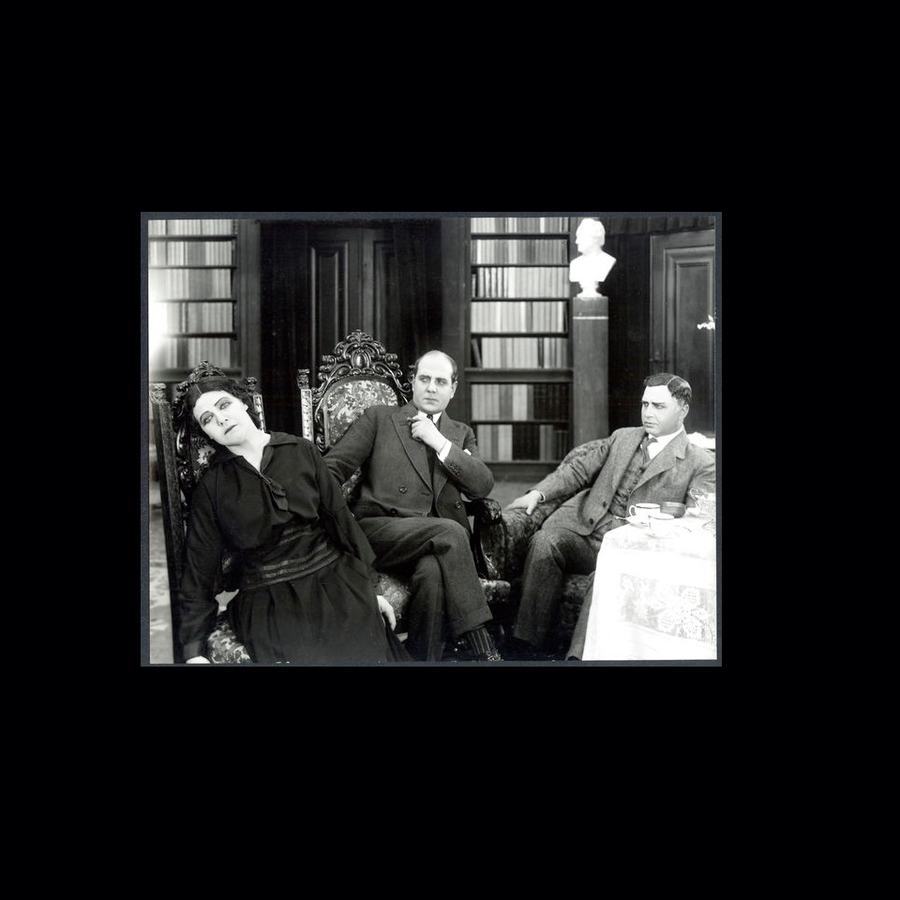
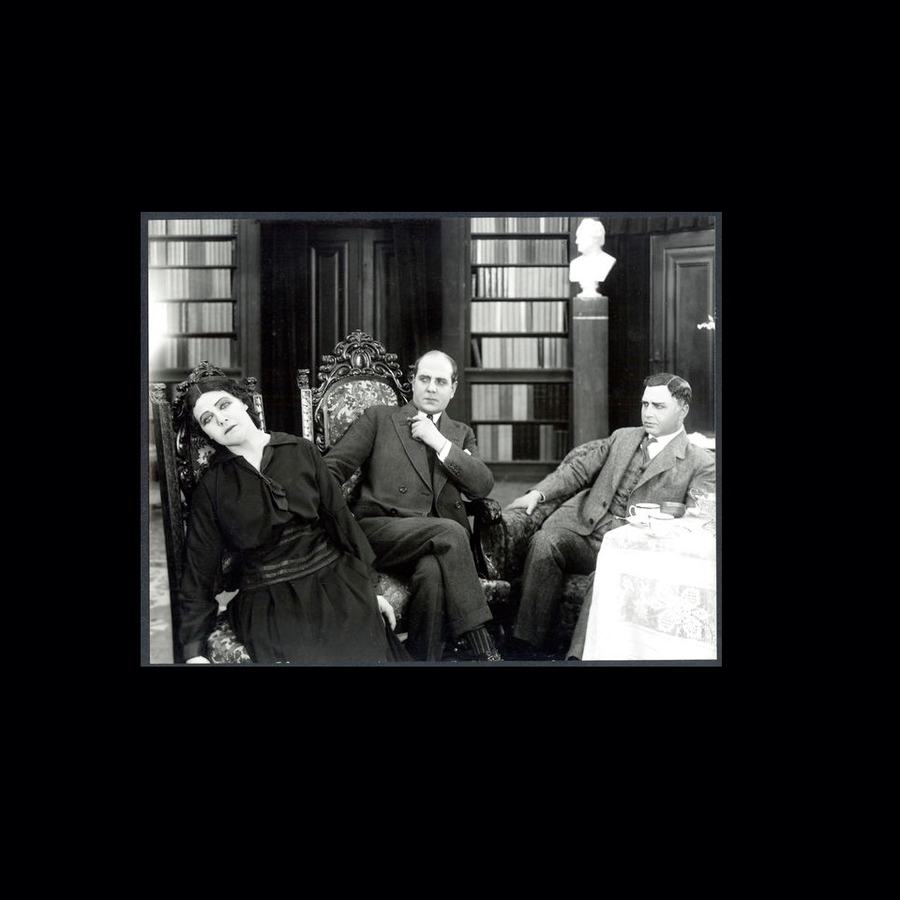
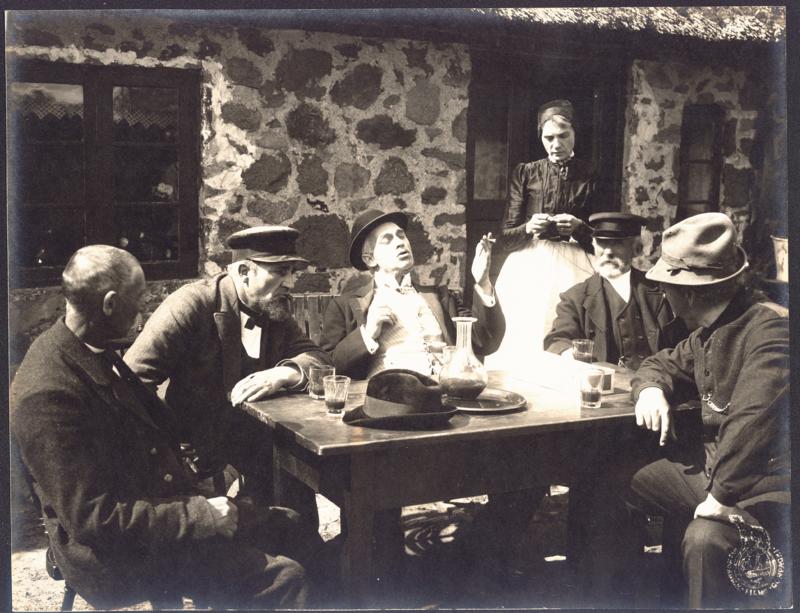
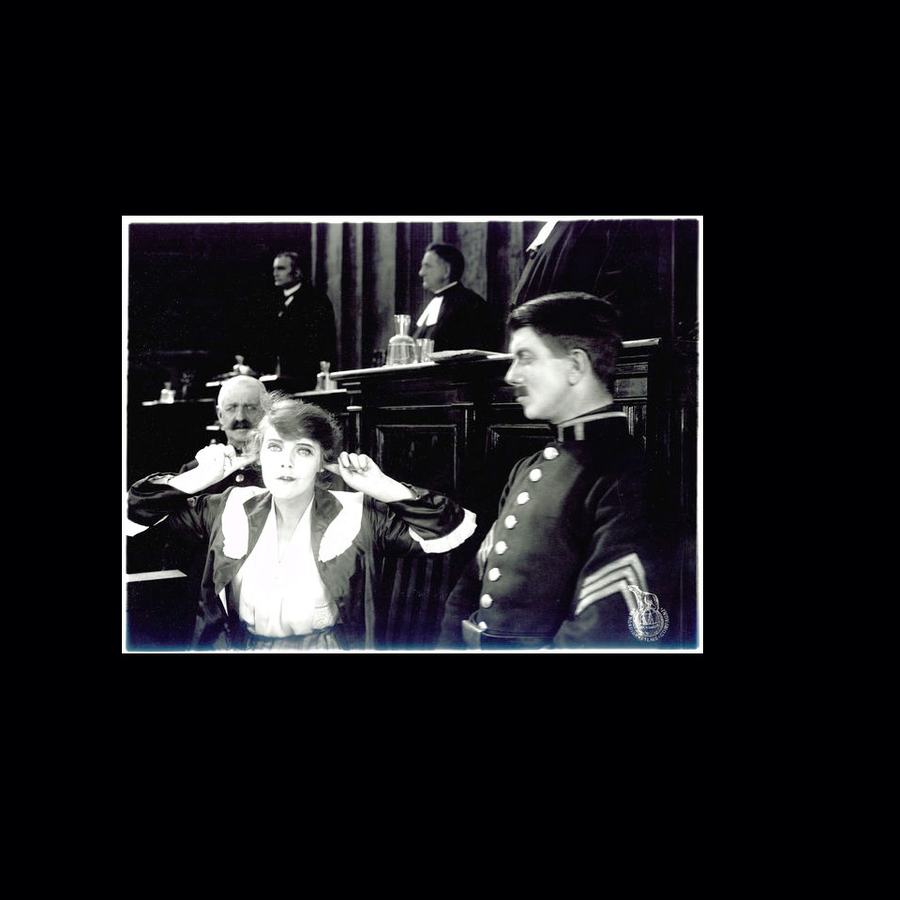
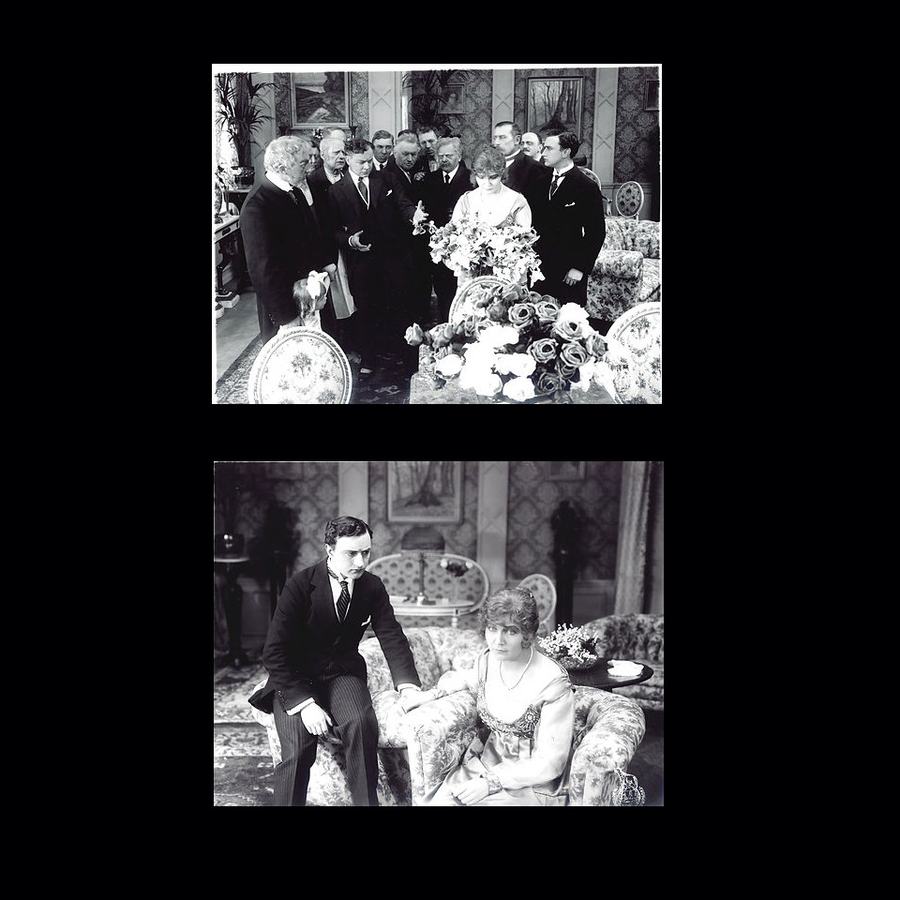
Charred silhouettes flicker across a monochrome Copenhagen, where the ashes of a once-illustrious family cling to the cracked marble of their bankrupt manor. When the profligate scion (Thorleif Lund) returns from a dissolute Grand Tour, he drags with him the acrid perfume of Monte Carlo roulette tables and the phantom of a forged promissory note that could incinerate what little dignity remains. His sister—Johanne Krum-Hunderup, all cheekbones and candle-wax pallor—barters her engagement to a venal industrialist in exchange for a dowry that might staunch the familial hemorrhage, only to find her betrothed’s ledger already tattooed with her brother’s debts. Into this crucible of propriety and panic glides Gudrun Houlberg’s war-widowed seamstress, pockets heavy with scorched love-letters she claims will prove the siblings’ deceased mother once torched her own wedding contract, thus invalidating every subsequent claim to the estate. Peter Nielsen’s gaunt solicitor, eyes like frostbitten coins, attempts to auction the mansion’s chandeliers while the servants whisper that each crystal teardrop once reflected the late matriarch setting fire to her own portrait in a fit of Lutheran guilt. Midnight séances in the smoke-stained salon conjure the smell of burnt feathers; a child’s singed doll, discovered in the attic, seems to bleed molten wax. By the time Maggi Zinn’s itinerant match-seller strikes her last phosphorus stick, the screen itself appears to blister, as if the celluloid were complicit in the conflagration. The final tableau—sibling hands clasped amid collapsing rafters while the camera retreats through a corridor of self-immolating paperwork—leaves the viewer inhaling phantom soot long after the fade-out.
Review Excerpt
"
The first thing that strikes you about Brændte vinger is how aggressively the film refuses to be a museum relic. Emanuel Gregers’ 1927 chamber-piece, believed lost in a studio fire that ironically mirrored its narrative, resurfaced two years ago on a nitrate roll labeled only with the Danish word for ash. One splice, one whiff of vinegar, and suddenly the 1920s speak with the urgency of unpaid interest compounding in the dark.
Gregers, better known for maritime melodramas, trades sea-spray for..."