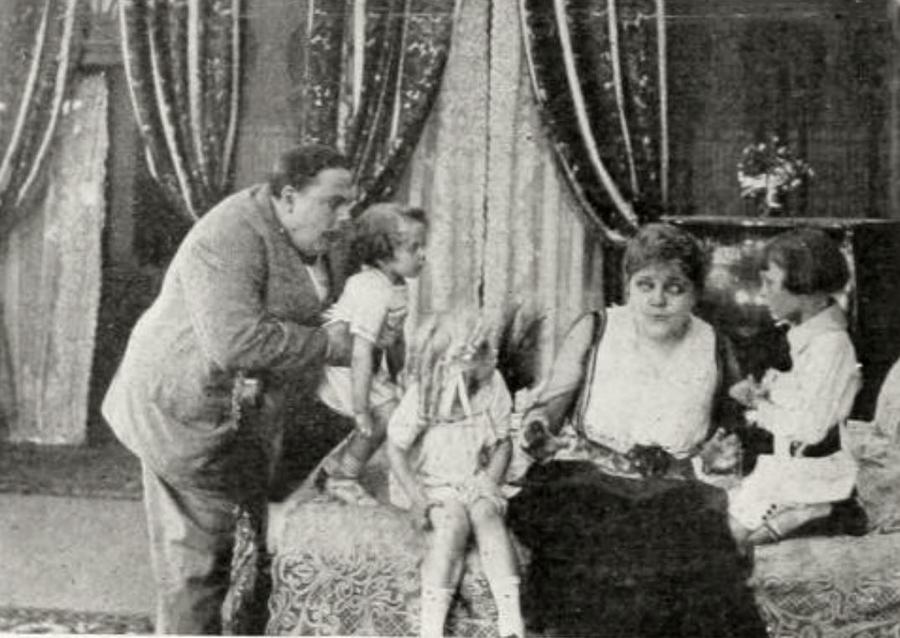
A French girl is engaged to a German engineer who gets caught during the war. She helps him escape and then he attacks the French unit who caught him, located in the girl's family estate.
Germany
The Fragility of Allegiance: Revisiting Madeleine (1912)The year 1912 stands as a monumental threshold in the history of the moving image. It was a period where the primitive novelties of the previous decade—exemplified by industrial documentations like Westinghouse Works—were rapidly evolving into sophisticated, long-...
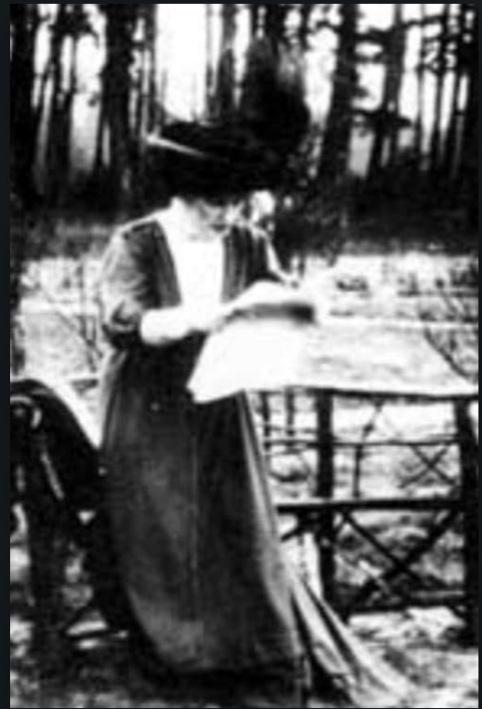
still_frame
Comparing the cinematic DNA and archive impact of two defining moments in cult history.
Emil Albes
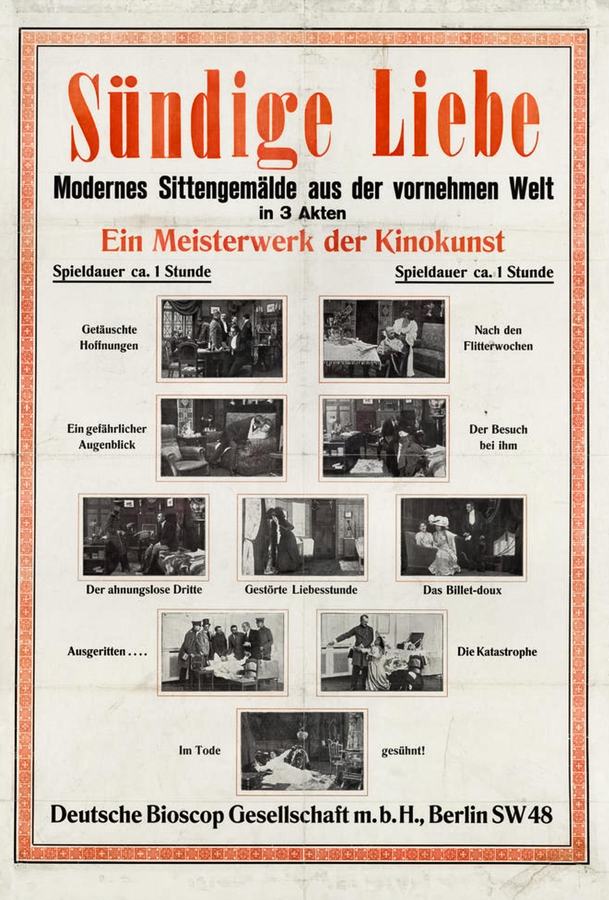
Emil Albes
Community
Log in to comment.
"The Fragility of Allegiance: Revisiting Madeleine (1912)The year 1912 stands as a monumental threshold in the history of the moving image. It was a period where the primitive novelties of the previous decade—exemplified by industrial documentations like Westinghouse Works—were rapidly evolving into sophisticated, long-form narratives capable of profound psychological depth. In this fertile creative landscape, Madeleine emerged as a stark, provocative meditation on the intersection of romantic id..."
1911 · IMDb —
Emil Albes