DbcultAccessing Vault...
4.7/10
Senior Film Conservator
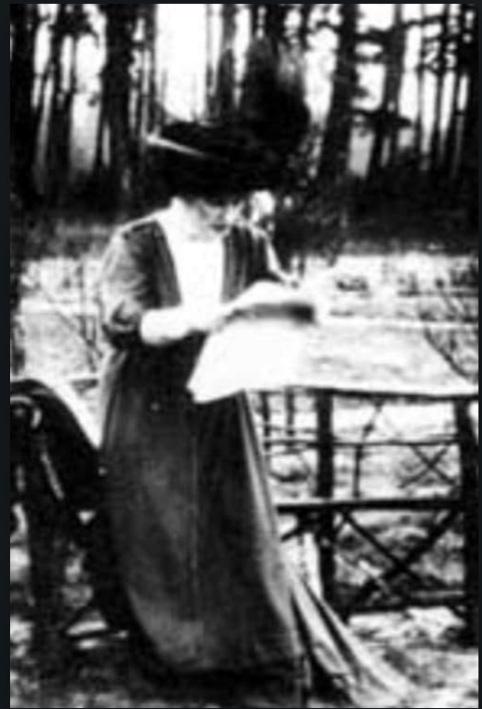
A definitive 4.7/10 rating for a film that redefined the boundaries of cult cinema. Madeleine remains a cornerstone of transgressive art.
The year 1912 stands as a monumental threshold in the history of the moving image. It was a period where the primitive novelties of the previous decade—exemplified by industrial documentations like Westinghouse Works—were rapidly evolving into sophisticated, long-form narratives capable of profound psychological depth. In this fertile creative landscape, Madeleine emerged as a stark, provocative meditation on the intersection of romantic idealism and the brutal pragmatism of war. Unlike the sweeping historical vistas found in 1812, this film chooses a more intimate, domestic stage to examine the collapse of European stability.
The film’s central conceit—a French woman engaged to a German national on the eve of conflict—is more than a mere plot device; it is a microcosm of the fragile alliances that defined the era. Ilse Oeser, in the titular role, delivers a performance characterized by a restrained, almost ethereal longing. Her Madeleine is not a political figure, yet her every action becomes a political statement. When we compare her plight to the moral trials found in Les Misérables, we see a shift from social injustice to the personal agony of conflicting loyalties. Madeleine’s family estate, rendered with an architectural dignity that underscores its eventual desecration, serves as the silent witness to this unfolding tragedy.
The casting of Emil Albes and Ludwig Trautmann provides the film with a masculine gravity that balances Oeser’s vulnerability. Trautmann, in particular, portrays the German engineer with a complexity that avoids the easy caricatures of later propaganda films. He is a man caught between the gears of a military machine, much like the characters in The Traitress. His presence in the French estate is initially one of integration and shared future, making his eventual pivot toward aggression all the more visceral for the audience.
Visually, Madeleine utilizes the limited technology of 1912 to achieve a haunting atmosphere. The cinematography does not rely on the kinetic energy of The Flying Circus, but rather on a static, observational style that forces the viewer to inhabit the spaces of the family home. The use of natural light filtering through the estate’s windows creates a chiaroscuro effect that mirrors the darkening political horizon. It is a visual language that speaks of impending doom, a technique also mastered in the contemporary Den sorte drøm.
The sequence of the escape is a masterclass in tension. Without the benefit of synchronized sound or rapid-fire editing, the director relies on the spatial relationship between the characters. Madeleine’s movements through the shadows are a dance of desperation. Here, the film transcends the theatricality of Les amours de la reine Élisabeth, opting for a grounded, urgent realism that feels surprisingly modern. The silence of the medium amplifies the internal cacophony of Madeleine’s conscience; she is saving the man she loves, but at what cost to her heritage?
The third act of Madeleine is where the film truly carves its name into the annals of early cinema. The engineer’s decision to lead an attack on the French unit—the very men who had held him, and the unit now occupying his fiancée’s home—is a narrative gut-punch. It subverts the audience’s expectations of a romantic resolution. In films like The Redemption of White Hawk, we often see a thematic arc toward salvation. Madeleine, conversely, offers a descent into the irrevocable. The engineer is not a 'villain' in the traditional sense; he is a soldier fulfilling a duty that has become incompatible with his personal life.
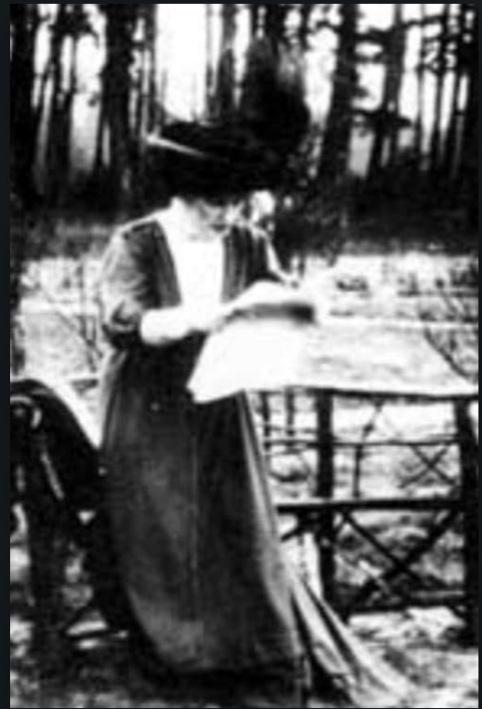
This betrayal is staged with a shocking lack of sentimentality. The estate, once a place of courtship and quiet afternoons, becomes a battlefield. The juxtaposition of fine furniture and military hardware provides a jarring visual metaphor for the end of the Belle Époque. The French soldiers, caught off guard in a place they deemed safe, represent the naivety of a nation that did not yet realize the scale of the coming storm. This thematic weight rivals the historical gravitas of Defense of Sevastopol, yet it remains more haunting because of its localized, intimate scale.
To understand Madeleine, one must understand the zeitgeist of 1912. Europe was a powder keg, and the arts were reflecting a growing anxiety about national identity. The film’s creators were navigating a complex cultural terrain. By portraying a French-German romance, they were touching on a nerve that had been raw since the Franco-Prussian War. The film refuses to provide an easy catharsis. It does not offer the religious consolation found in From the Manger to the Cross or the moral clarity of Pilgrim's Progress.
Instead, it leaves the viewer with the image of Madeleine standing amidst the ruins of her life. Her love was the catalyst for the destruction of her home. This nihilistic streak is what separates Madeleine from many of its contemporaries. It shares a certain grim DNA with Anna Karenina (1911), particularly in its depiction of a woman crushed by the weight of her own choices and the unforgiving structures of society. However, while Anna’s tragedy is social, Madeleine’s is existential and political.
Why does Madeleine remain relevant today? In an era where cinema often prioritizes spectacle over nuance, this silent relic reminds us of the power of the singular human face to convey the complexities of war. The performances by Hugo Flink and the rest of the ensemble provide a textured look at a generation on the precipice. The film’s pacing, while slower than the athletic displays of The Corbett-Fitzsimmons Fight, allows for a psychological immersion that is rare for 1912.
It is a film that demands to be watched with an eye for detail. The way Madeleine touches a piece of lace, the way the engineer avoids her gaze after his escape—these are the small, human moments that build toward the final explosion of violence. It is a work of profound empathy and equally profound cynicism. As we look back at the filmography of the early 20th century, from the literary adaptations like Oliver Twist to the epic historical dramas, Madeleine stands out as a uniquely somber and intellectually honest piece of storytelling.
Ultimately, Madeleine is a cautionary tale about the illusion of neutrality. In the face of total war, even the most private of emotions—love—is conscripted into the service of the state. Madeleine tried to create a sanctuary for her heart, but the world broke in. The film’s final frames are a testament to the enduring power of silent cinema to provoke, disturb, and move the audience, a century after the dust of its fictional battle has settled. It remains a essential viewing for anyone seeking to understand the roots of cinematic drama and the enduring tragedy of human conflict.
IMDb —
1915
Community
Log in to comment.