Argentina
Is 'Manuelita Rosas' worth watching today? Short answer: yes, but with significant caveats. This is a film for those who appreciate historical epics, especially those with a keen interest in Latin American history and the intricate dance of power and familial duty, even if its pacing might test the patience of a modern...
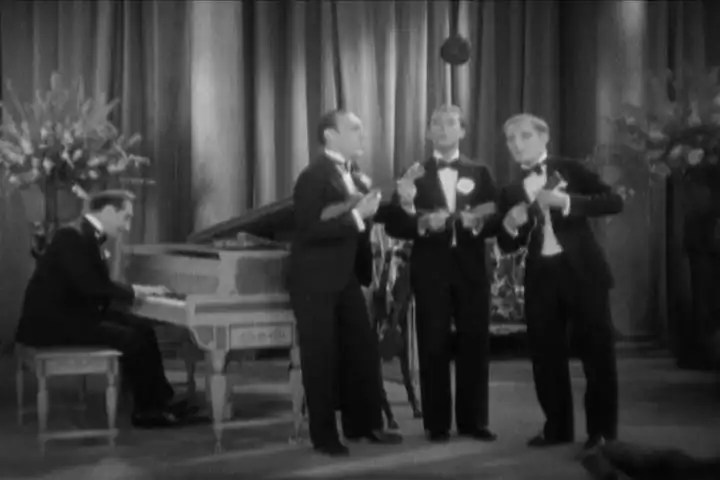
still_frame
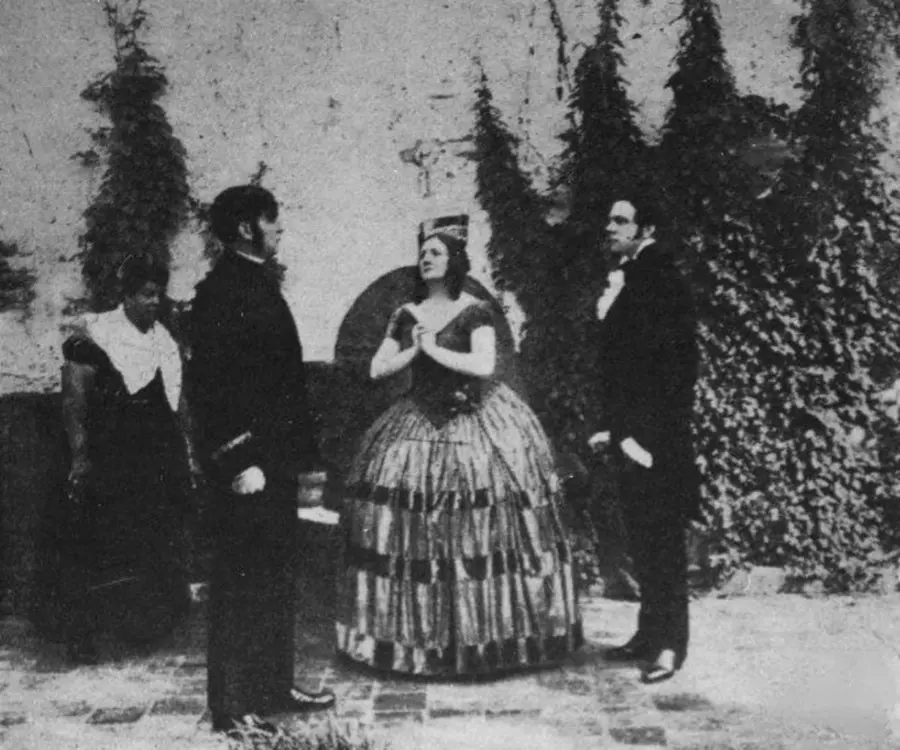
still_frame


Comparing the cinematic DNA and archive impact of two defining moments in cult history.
Ricardo Villarán

Ricardo Villarán
Community
Log in to comment.
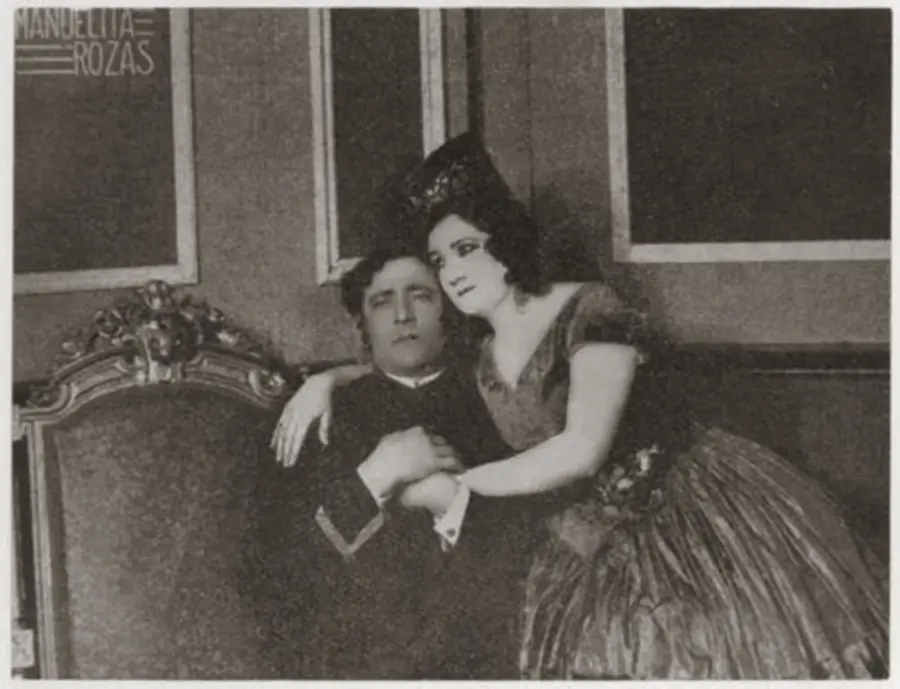
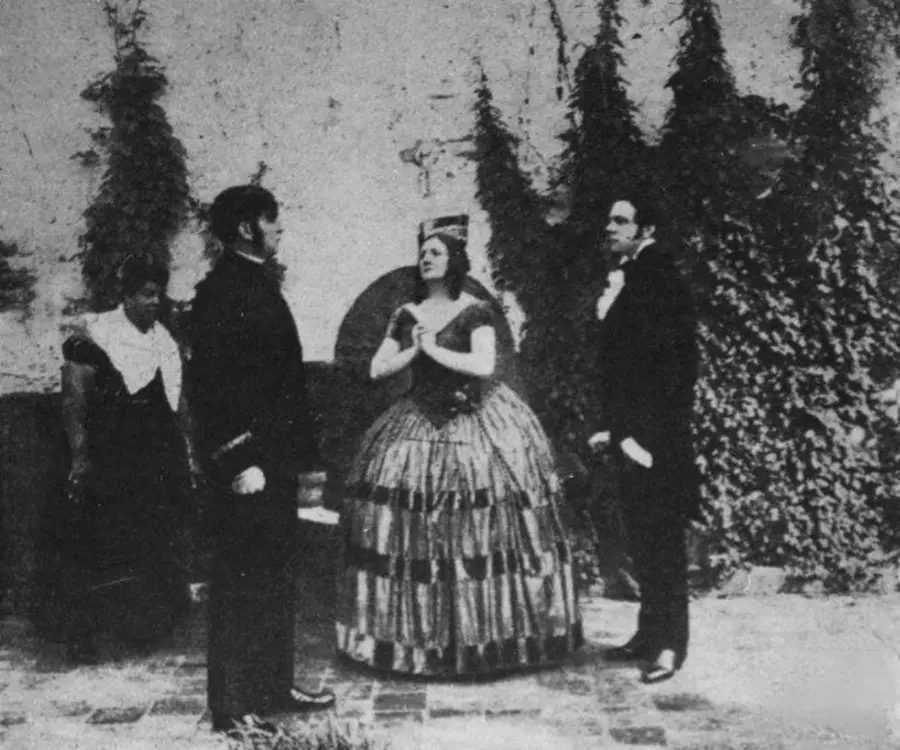
Manuelita Rosas unfolds as a poignant historical drama, charting the complex and often tragic life of its eponymous protagonist, the beloved daughter of Argentina's formidable "Restorer," Juan Manuel de Rosas. The narrative meticulously explores her unique position within the volatile political landscape of 19th-century Buenos Aires, where she served not merely as a family figure but as a crucial, elegant diplomat and confidante to her autocratic father. The film delves into the profound emotional and political sacrifices inherent in her unwavering loyalty, portraying her as a woman navigating a gilded cage of power, duty, and personal yearning amidst a backdrop of escalating civil strife and the eventual collapse of her family's dynasty. It's a study of a life defined by public expectation and private sorrow, set against the grandeur and cruelty of a pivotal historical era, offering a lens into the human cost of absolute power.
"Is 'Manuelita Rosas' worth watching today? Short answer: yes, but with significant caveats. This is a film for those who appreciate historical epics, especially those with a keen interest in Latin American history and the intricate dance of power and familial duty, even if its pacing might test the patience of a modern audience. It is emphatically not for viewers seeking fast-paced action or a purely character-driven narrative devoid of broader historical context. Its slow burn and reliance on p..."
1929 · IMDb —
Ricardo Villarán