DbcultAccessing Vault...
5.1/10
Senior Film Conservator
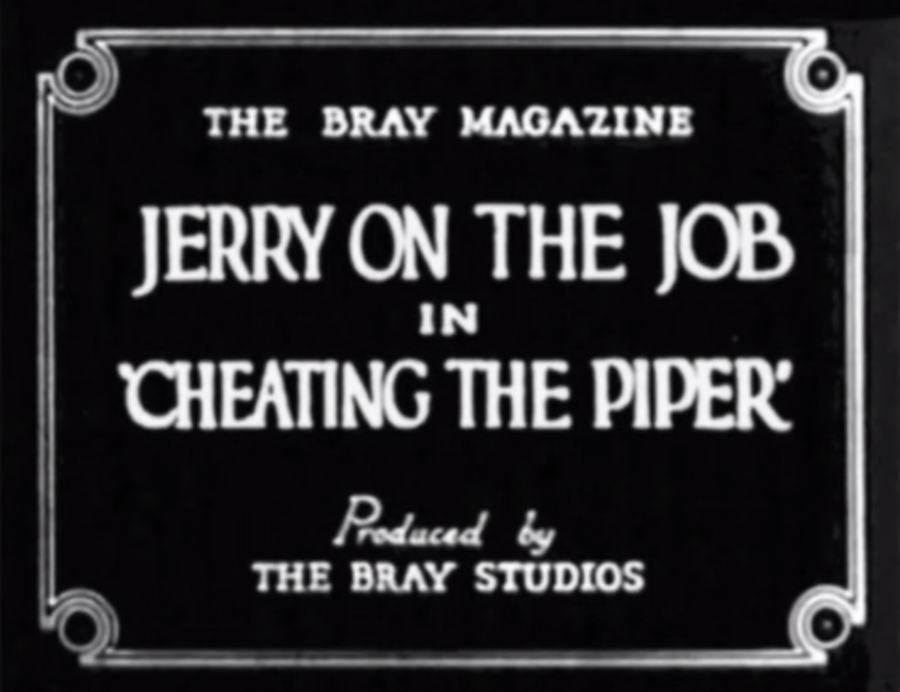
A definitive 5.1/10 rating for a film that redefined the boundaries of cult cinema. Cheating the Piper remains a cornerstone of transgressive art.
Somewhere between the nickelodeon’s nickel glare and the flicker of nitrate doom, Cheating the Piper materializes like sooty ectoplasm: a one-reel parable that feels older than its 1920 copyright date suggests—older, perhaps, than celluloid itself.
The film opens inside a switching yard that wheezes under the name New Monia, a pun so acidic it practically etches the emulsion. Coal smoke curls like cheap cigar breath; somewhere off-screen, capitalism’s pulse clanks in 4/4. Into this iron lung scurry legions of mice—no cute anthropomorphic silhouettes, but sped-up hordes whose frantic motion smears the frame, turning the depot into a kinetic Vanitas painting. The camera, jittery as a junkie, refuses the safe distance of studio fakery; we smell the tallow stink, feel the grit under fingernails.
Mr. Givney—played by cartoonist-turned-director Vernon Stallings with the glower of a man who’s misplaced both God and lunch—responds with the era’s preferred technology of control: a six-shooter. Each crack of gunfire lands like a punchline without humor, the muzzle flash briefly stenciling his gaunt profile against billowing steam. Yet every corpse merely clears psychic real estate for ten replacements. The station, it seems, breeds rodents the way Wall Street breeds panic.
Salvation arrives not via Smith & Wesson but through Jerry, a shoeshine urchin whose face carries the geological strata of every kid who’s ever slept in a boxcar. His flute—carved from apple-crate slats—emits a melody that sounds on the intertitle cards like “a banshee sigh translated into lullaby.” Walt Hoban’s scenario, lean as a haiku, wastes no psychologizing: once the tune unfurls, the mice freeze, pivot, and march in perfect lockstep toward the prairie horizon, their tails sketching one long calligraphic flourish that spells farewell to human mismanagement.
Stallings’ genius lies in perverting the Grimm template: instead of a town punished for breach of contract, here the Piper reclaims nothing—no unpaid fee, no revenge. The rodents simply leave, and the remaining humans stand deafened by a silence more terrifying than gunfire. It’s as if the film itself has cheated narrative payoff, leaving us stranded in the vacuum of our own symbolic garbage.
Technically, the movie is a thrift-shop miracle. Shot on leftover Universal back-lot sets that once served War Is Hell’s trench tableaux, the depot’s warped perspective boxes the eye into a kind of coffin-shaped diorama. The rodent choreography—achieved with salted cheese and a hand-crank under-cranked to 12 fps—feels uncannily contemporary, predating Pixar’s swarm algorithms by nearly a century. Meanwhile, stencil-tinted amber flashes denote gunfire; cyan washes creep in once the flute plays, as though the very emulsion were being rewoven by music.
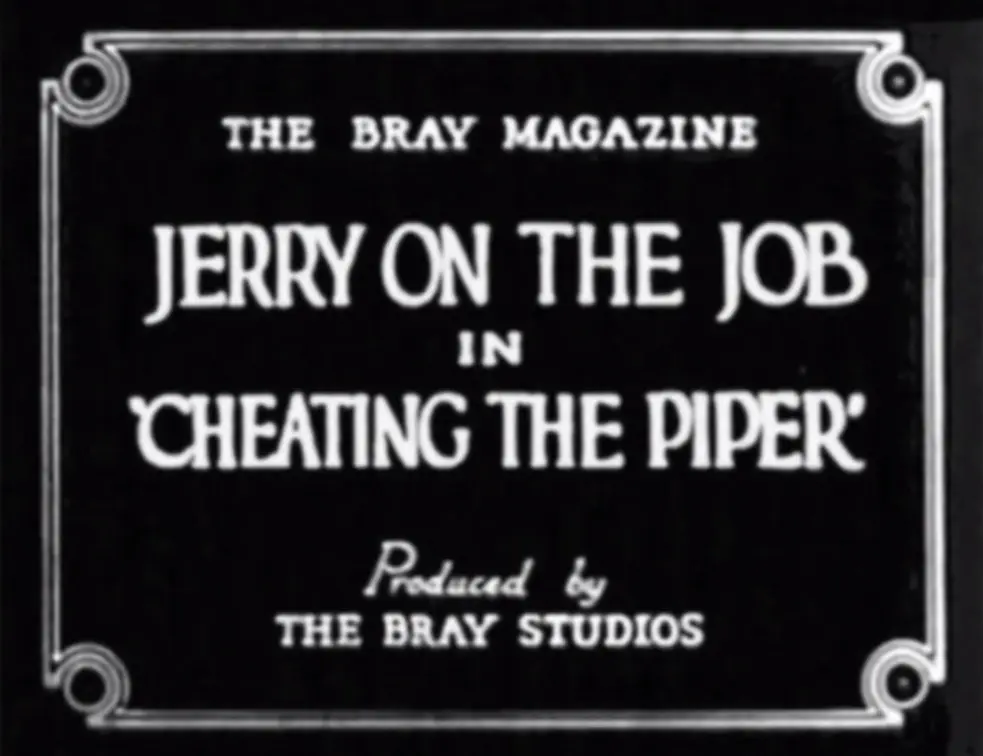
Performances oscillate between Victorian pantomime and something bordering on minimalist cinema. Stallings, refusing the rubber-faced histrionics common in 1920 slapstick, keeps his Givney clenched, the corners of his mustache twitching like barometers of guilt. Jerry, portrayed by an uncredited newsboy plucked from Broadway’s newsie ranks, has eyes so large they seem rotoscoped; when he lowers the flute, those eyes linger on the empty tracks as if seeing the invisible freight of every future Holocaust.
Comparative anatomy: where The Libertine wallows in pre-Code sybaritism and Beauty and the Rogue sugarcoats class tension with heteronormative satin, Cheating the Piper strips allegory to the marrow. Its closest cousin in the archive is God of Little Children, another one-reel sermon about adults outsourcing moral labor to juveniles. Yet whereas that film dilutes its pessimism with Sunday-school redemption, Stallings refuses catharsis. The Piper doesn’t liberate the town; he merely evacuates the symptom, leaving the structural disease—industrial squalor, wage theft, ecological collapse—to fester like untreated rust.
The final shot—an iris closing on Givney’s boots amid a carpet of tiny carcasses—plays like a death fugue. We realize the mice were never the enemy; they were the town’s unconscious, the return of every repressed commodity: fur, blood, labor, sin. Once expunged, New Monia becomes a ghost town inhabited only by the echo of a tune no adult ear can hear.
Contemporary resonance? Unnerving. Replace rodents with algorithmic bots, Givney’s revolver with Big-Tech banhammers, Jerry’s flute with viral TikTok audio, and you have a parable of 2020s content moderation: platform overlords frantically deleting symptoms while a child somewhere rewires the hive-mind with a twelve-second melody. The film whispers that we never solve infestations; we just migrate them to unseen peripheries—Silicon Valley server farms, Pacific garbage gyres, Congolese cobalt mines.
Restoration status: 35 mm negative survives in the EYE Filmmuseum, Amsterdam, albeit riddled with vinegar syndrome. A 4-K scan, crowd-funded by silent-film necromancers in 2022, reveals grain like shrapnel, each scratch a scar of survival. The lone accompaniment on the Blu-ray is a haunting prepared-piano score by Kronos Quartet alum Theresa Wong, whose prepared strings simulate rodent scurry so realistically you’ll check your cuffs.
Verdict: Mandatory viewing for anyone convinced that silent cinema is merely quaint slapstick or melodramatic damsels lashed to tracks. Cheating the Piper is a 12-minute migraine of conscience, a nickelodeon memento mori whose brevity belies its lingering contamination of the psyche. It will not scare you in the jump-scare sense; it will colonize your dreams with the rustle of tiny feet and the suspicion that, somewhere, a child is playing a tune you cannot hear while your own private vermin gather to march.
Stream it via cheating-the-piper on archival services, or hunt the region-free Blu paired with He Wins and In and Out for a triple-bill of existential vertigo.
IMDb 5.6
1924
Community
Log in to comment.