DbcultAccessing Vault...
Cult Review
Senior Film Conservator
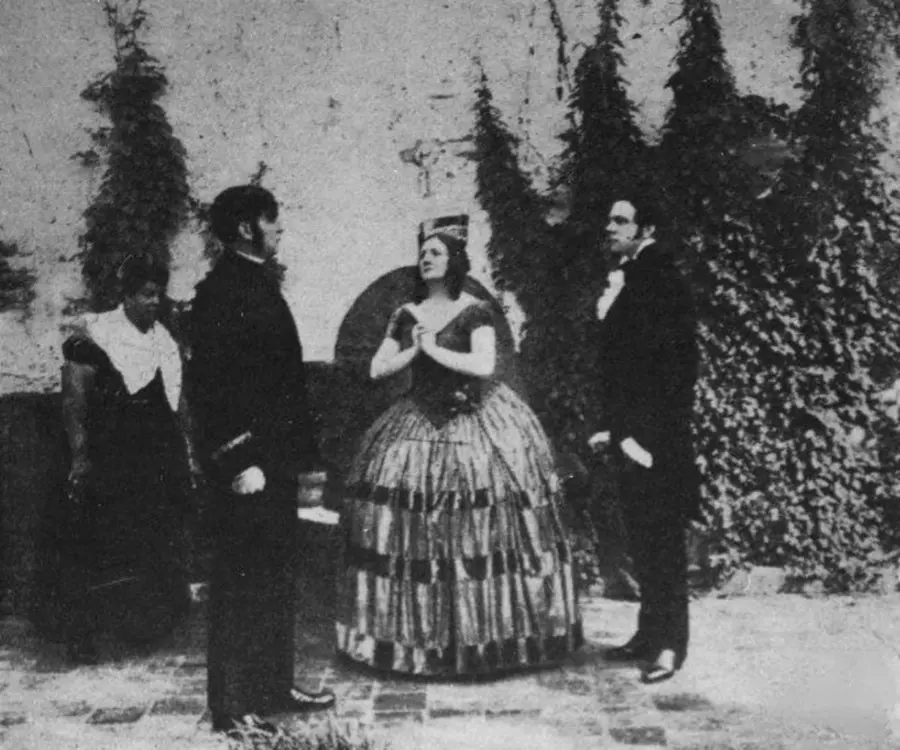
Is 'Manuelita Rosas' worth watching today? Short answer: yes, but with significant caveats. This is a film for those who appreciate historical epics, especially those with a keen interest in Latin American history and the intricate dance of power and familial duty, even if its pacing might test the patience of a modern audience.
It is emphatically not for viewers seeking fast-paced action or a purely character-driven narrative devoid of broader historical context. Its slow burn and reliance on period detail demand a certain investment, but the payoff for the right viewer is a rich, if sometimes challenging, experience.
Manuelita Rosas, as a film, steps into the formidable shadow of one of Argentina's most iconic historical figures. It’s a brave undertaking, attempting to distill the essence of a life lived at the epicenter of political turmoil and personal sacrifice. The film, for all its ambitious scope, operates as a profound character study wrapped in the opulent, yet suffocating, fabric of 19th-century power.
What it aims to achieve is a humanization of history, pulling back the curtain on the woman behind the legend. Does it succeed? Partially. The film often feels less like a narrative and more like an immersive historical tableau, inviting viewers to simply exist within Manuelita's world rather than guiding them through a conventional plot.
This film works because of its unflinching commitment to historical authenticity and the nuanced central performance that anchors its emotional core.
This film fails because its narrative momentum often falters, relying too heavily on visual grandeur at the expense of tighter storytelling.
You should watch it if you are fascinated by the human toll of political power and appreciate period dramas that prioritize atmosphere and historical detail over modern narrative conventions.
Blanca Podestá's portrayal of Manuelita Rosas is, without question, the film's beating heart. She imbues the character with a quiet strength and a palpable sense of internal conflict. Podestá doesn't just play a historical figure; she embodies the very essence of a woman caught between unwavering filial loyalty and her own burgeoning desires. Her performance is a masterclass in subtlety, conveying volumes with a glance or a restrained gesture.
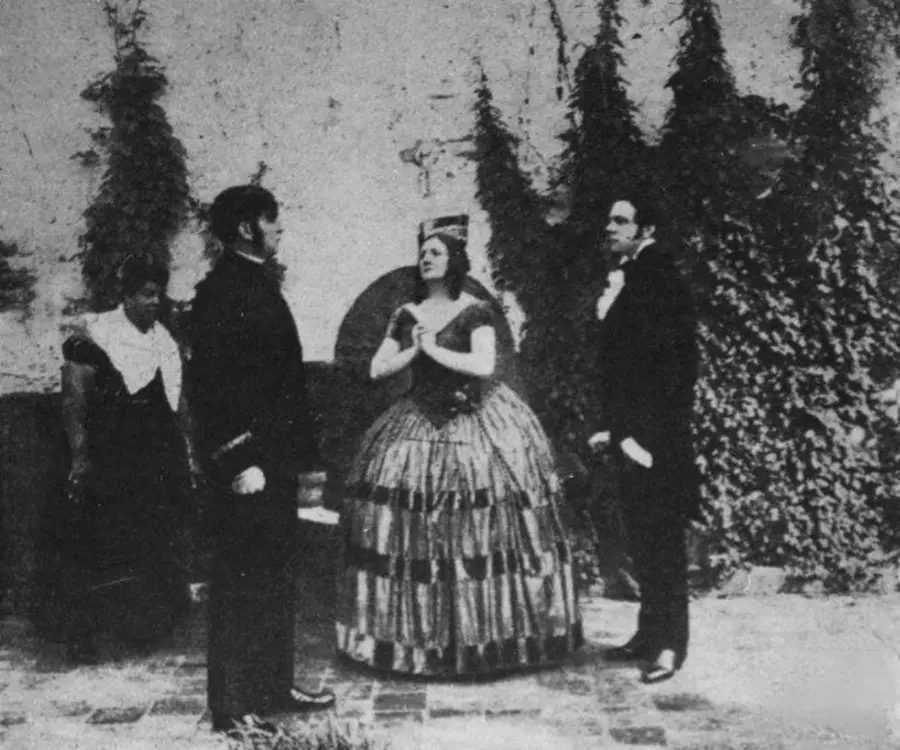
Consider, for instance, the many scenes where Manuelita is depicted merely observing her father's political machinations. Podestá's eyes, even when silent, convey a complex tapestry of admiration, concern, and perhaps a touch of weary resignation. This is not a performance of grand declarations, but of profound internal struggle, a testament to her command of the craft.
Ricardo Passano, likely cast as Juan Manuel de Rosas, delivers a performance that is both commanding and subtly terrifying. He captures the dictator's charismatic authority without romanticizing his cruelty. The dynamic between Podestá and Passano is electric, forming the emotional core of the film. Their interactions, though often formal, crackle with unspoken tension and deep-seated affection, complicated by the immense power imbalance.
Nelo Cosimi and Miguel Faust Rocha, in their supporting roles, provide crucial texture to the film's historical tapestry. While their screen time may be less central, their contributions solidify the oppressive political atmosphere. Cosimi, perhaps as a trusted advisor or military figure, projects a necessary gravitas, while Rocha, possibly as a suitor or rival, brings an element of external conflict or romantic intrigue that further highlights Manuelita's constrained world. Their presence ensures that the world surrounding Manuelita feels lived-in and historically dense.
The directorial hand behind 'Manuelita Rosas' is one of careful deliberation, prioritizing mood and historical immersion over rapid plot progression. The filmmakers clearly aimed for an epic scope, manifested in sweeping shots of period architecture and meticulously recreated historical events. There's a palpable sense of reverence for the material, almost to a fault.
The tone is consistently somber, reflecting the weighty themes of political intrigue, personal sacrifice, and the often-melancholy fate of those entwined with absolute power. Pacing is deliberately slow, allowing scenes to breathe and emotions to simmer rather than explode. This approach can be a double-edged sword: it fosters deep immersion for patient viewers but risks alienating those accustomed to more brisk narrative rhythms.
One particularly effective directorial choice is the recurring motif of isolating Manuelita within grand, imposing spaces. Whether she's framed against the vast, empty halls of her father's residence or standing alone on a balcony overlooking a bustling but indifferent city, these visual cues consistently underscore her unique, yet often lonely, position. It's a powerful and consistent visual language that speaks volumes about her character's internal state.
The visual aesthetic of 'Manuelita Rosas' is arguably its strongest suit, a triumph of period recreation. The cinematography, while perhaps lacking the kinetic energy of modern films, excels in its ability to capture the grandeur and claustrophobia of the era. Lighting is often dramatic, utilizing deep shadows and rich, warm tones to evoke a sense of historical gravitas and impending drama. The use of natural light in many interior scenes lends an authentic, almost painterly quality to the visuals.
The production design is nothing short of extraordinary. Every costume, every piece of furniture, every architectural detail screams authenticity. From the intricate lace on Manuelita's gowns to the opulent, yet slightly oppressive, decor of the Rosas family estate, the film crafts a world that feels meticulously researched and lovingly brought to life. This dedication to historical accuracy elevates the film beyond a simple drama, transforming it into a living, breathing museum piece.
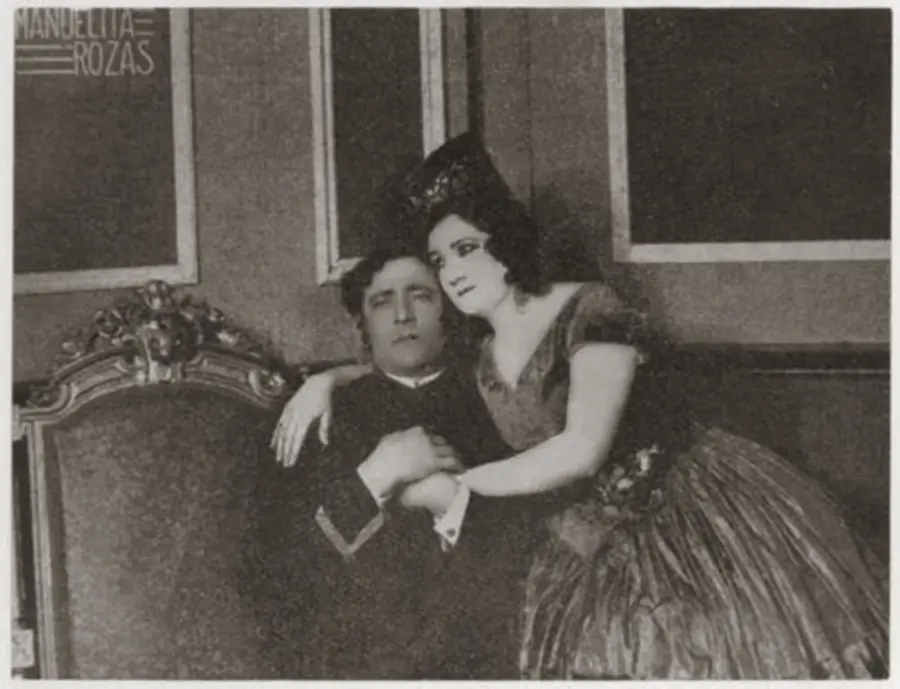
A specific example of this attention to detail can be found in the depiction of a formal ball or reception. The sheer number of extras, the period-appropriate music, the elaborate table settings – it all contributes to a sense of genuine immersion. It's here that the film truly shines, allowing the audience to step back in time and experience the social milieu that defined Manuelita's existence. This is where it truly outshines many of its contemporaries, even challenging the visual scope of films like When Rome Ruled in its dedication to historical spectacle.
Yes, 'Manuelita Rosas' holds significant value for contemporary audiences, particularly those with a discerning taste for historical cinema. It offers a unique window into a pivotal period of Argentine history and features a compelling central performance.
However, be prepared for a viewing experience that prioritizes historical detail and character study over rapid narrative development. It is a film that demands patience but rewards it with a rich, immersive atmosphere and thoughtful exploration of complex themes.
For students of history or fans of classic drama, it's an essential watch. For others, it might require a more specific inclination towards its particular brand of historical storytelling.
The pacing of 'Manuelita Rosas' is undeniably deliberate, a slow, majestic march through the protagonist's life rather than a brisk sprint. This choice, while potentially frustrating for some, allows for a deep exploration of the emotional nuances and the socio-political climate. The narrative unfolds with a stately rhythm, mirroring the formal strictures of the era it portrays.
Rather than relying on dramatic plot twists or constant action, the film builds its tension through the accumulation of small moments: a whispered conversation, a tense dinner, a public appearance laden with unspoken meaning. This creates a cumulative effect, where the weight of Manuelita's world slowly presses in on the viewer, rather than startling them with sudden events.
The narrative flow, therefore, is less about a clear arc of cause and effect and more about an unfolding tapestry of life. It’s a bold choice that asks the audience to lean in, to observe, and to absorb the atmosphere rather than simply be entertained. This approach sets it apart from more conventional historical dramas, perhaps even more so than a lighthearted film like The Idle Class, which relies on quick gags rather than slow-burn character development.
Manuelita Rosas is a fascinating, if imperfect, historical drama. It works. But it’s flawed. Its ambition to paint a rich, detailed portrait of a pivotal historical figure is largely successful, thanks in no small part to a truly remarkable central performance and an unwavering commitment to period authenticity. Yet, its deliberate pace and episodic narrative structure mean it won't resonate with everyone.
This is a film that demands patience and a willingness to immerse oneself in a bygone era. For those who answer that call, it offers a profound, sometimes melancholic, journey into the heart of power, loyalty, and the quiet tragedy of a life lived for others. It's a significant cultural artifact, deserving of its place in cinematic history, even if its appeal remains somewhat niche. It’s an experience, not just a movie.
IMDb 4.3
1926
Community
Log in to comment.