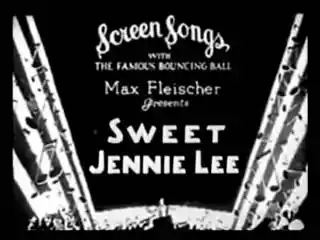
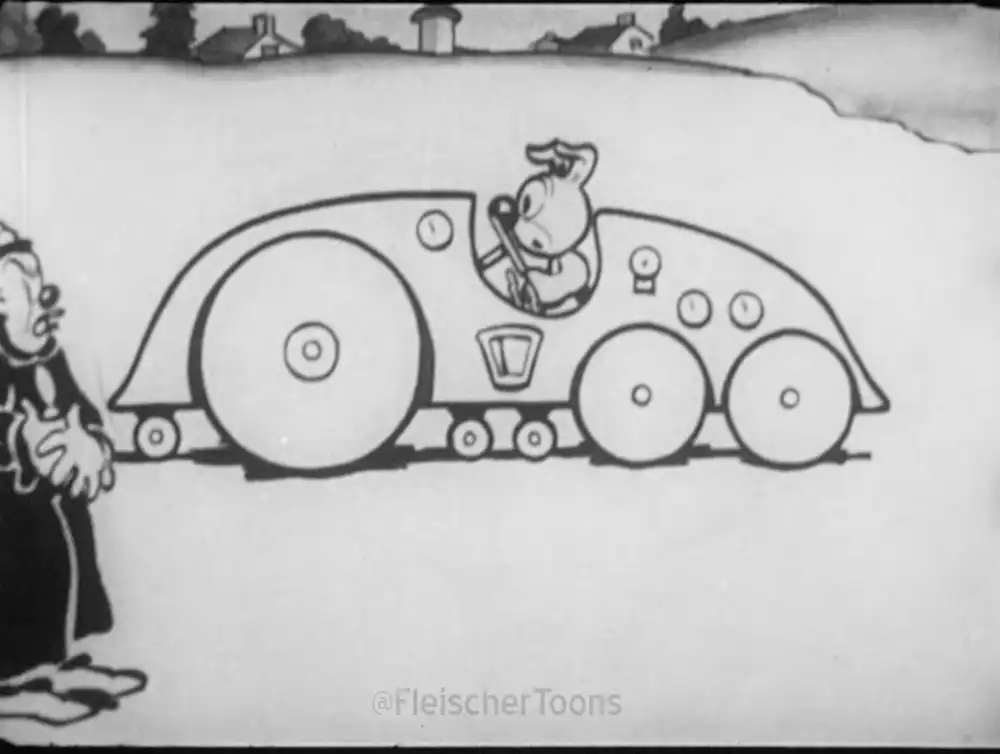
A follow the bouncing ball sing-along film for the popular song Margie..
United States
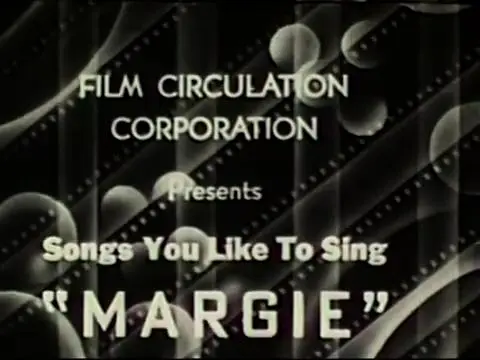
Is Dave Fleischer’s 1926 short film Margie worth your time in an era of 4K streaming and immersive VR? Short answer: yes, but only if you view it as a piece of archaeological cinematic DNA rather than a standalone narrative experience.This film is strictly for animation historians, jazz age enthusiasts, and those who f...
still_frame
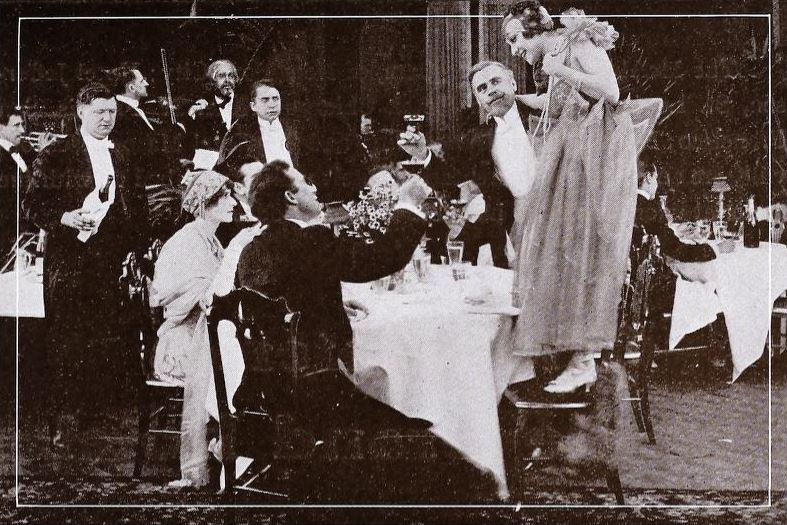
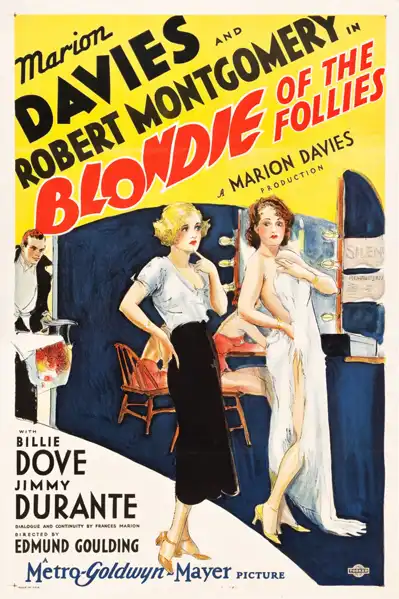
Comparing the cinematic DNA and archive impact of two defining moments in cult history.
Dave Fleischer

Malcolm St. Clair
Community
Log in to comment.
"Is Dave Fleischer’s 1926 short film Margie worth your time in an era of 4K streaming and immersive VR? Short answer: yes, but only if you view it as a piece of archaeological cinematic DNA rather than a standalone narrative experience.This film is strictly for animation historians, jazz age enthusiasts, and those who find beauty in the primitive mechanics of early film. It is absolutely not for anyone seeking a plot, character development, or modern visual fidelity. It is a six-minute rhythmic e..."