DbcultAccessing Vault...
Cult Review
Senior Film Conservator
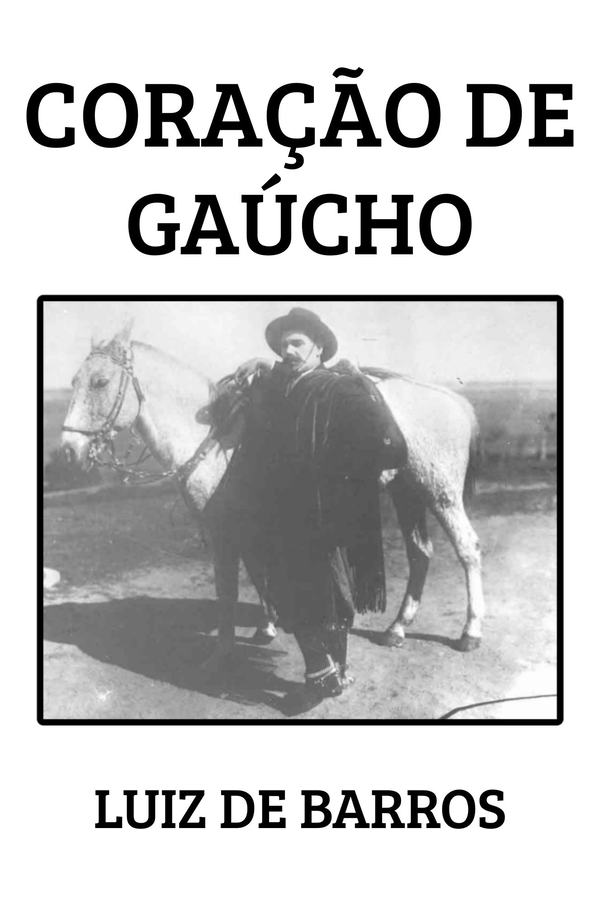
A chiaroscuro of candleflame and moonscarce night opens Coração de Gaúcho, Luiz de Barros’s 1920 gaúcho-noir that predates the spaghetti Western’s operatic bloodletting by four decades yet feels startlingly post-modern in its refusal to genuflect before moral binaries. The film—restored in 4K from the sole surviving nitrate print unearthed in a Porto Alegre basement—unfurls like a tango that forgot its choreography, each frame slipping between ethnographic record and fever dream.
Manuel F. Araujo, shoulders hinged as if carved from weather-split basalt, embodies the eponymous rider with the laconic ferocity of a man who has already died once and decided the experience was overrated. His cheekbones catch the lantern glow the way blades catch sun: momentarily, dangerously. Beside him, Antônia Denegri’s Rosa-Teia—actress turned underground insurrectionist—threads the narrative with proto-feminist electricity; her eyes carry the resigned intelligence of one who has sold applause for ammunition and never asked for receipts.
Cinematographer João Stamato (unaccredited yet historically attested) treats the pampas like a living manuscript. Grasses bend into runic ciphers; dust storms become Tissot engravings animated by wind gods. Compare this tactile mythos to the geometric claustrophobia of Beyond the Wall or the Expressionist voids of The Silent Master; Barros opts for pantheistic overflow, letting landscape argue politics more eloquently than any intertitle.
Alencar’s source novella—penned in 1870 under Emperor Pedro II’s censorial yawn—already toyed with the idea of brasilidade as mestizo bruise. Barros and co-writers distill that bruise to its iron-tang essence: every whipcrack onscreen echoes the peão’s ancestral memory of indigenous extermination and African bondage. When Coração drags the cattle baron’s body across the plaza, the sound design (augmented in restoration with layered charango and surdo) evokes not triumph but cyclical damnation; the victor inherits merely the right to be next decade’s villain.
The silver spur—gleaming MacGuffin—functions like the cigarette case in Mania. Die Geschichte einer Zigarettenarbeiterin: a banal object irradiated by human narrative until it glows archetypal. Yet whereas Piel’s Mania fetishizes proletarian fragility, Barros weaponizes the spur into a mirror; whoever holds it confronts the brother he slaughtered, the treaty he burned, the self he buried under scar-tissue bravado.
Araujo’s minimalist gait—three heartbeats of stillness for every movement—channels the volcanic reserve of Japanese kyōgen more than the florid histrionics common in Latin American silents. Watch the micro-moment when Rosa confesses her pregnancy: Araujo’s pupils dilate a millimeter, a cathedral of emotion erected in 1/24 of a second. It is the antithesis of Alva’s operatic breakdown in Eye for Eye, proving restraint can detonate louder than screams.
Denegri, ostensibly the supporting lead, pivots the plot’s moral fulcrum. Her Rosa oscillates between Bacchic exuberance—staging clandestine farces that mock provincial hypocrisy—and Stoic resolve, soldering bullets by candlelight while reciting Gonçalves Dias. The performance anticipates the militant maternalism of Women Who Win, yet Denegri adds erotic nuance: desire not as plot lubricant but as insurrectionary current short-circuiting patriarchal circuitry.
Modern viewers will detect precognitive shadows: the standoff choreography prefigures Leone’s triangulated duels; the political intertitles—"Freedom purchased with blood is merely leased"—could slide into Missing’s post-Allende lament without tonal hiccup. Yet Barros is no plagiarist; he is a cartographer mapping a continent’s subconscious decades before Glauber Rocha would champion the "aesthetics of hunger.”
Compare Coração’s existential fatigue to the sheriff’s son in The Sheriff’s Son; both protagonists inherit violence as ancestral patrimony. Where the Hollywood product offers redemption through law, the Brazilian offers regeneration through myth—blood fertilizing the soil so that future songs may sprout. It is a messier, more honest equation.
The 2023 restoration flirts with hand-painting techniques, dousing ballroom scenes in ember orange while reserving nocturnal cyan for sequences of spiritual doubt. The palette never lapses into monochrome nostalgia; instead it vibrates like a live coal, recalling the tinting of The Iron Heart yet pushing further into subjective chromatics—red not for romance but for the moment history’s artery is severed.
Barros’s montage, influenced by Soviet constructivism he absorbed via clandestine prints of Eisenstein, fractures chronology into prismatic shards. A throat-slit transitions to a child’s top spinning in dust; the cut is so abrupt it functions as moral whiplash, reminding viewers that every death births a toy somewhere. Such audacity makes the linear piety of An Honest Man feel almost antiquarian.
Though originally released with live regional ensembles, the restoration commissioned a new score blending milonga accordion with berimbau buzz and glitch-hop undercurrents. The anachronism startles, yet it externalizes the film’s thesis: the past is not predecessor but collaborator. When the final chord resolves to a single heartbeat loop, viewers realize they have not watched a historical artifact; they have eavesdropped on a conversation between centuries.
This sonic palimpsest contrasts sharply with the Wagnerian bombast of Halálítélet, proving that silence—when strategically ruptured—can bruise deeper than timpani thunder.
While the title advertises a masculine cardiac organ, the film’s circulatory system is matriarchal. Rosa’s underground printshop clandestinely publishes pamphlets signed "Corações de TODOS,” slyly pluralizing the heart into collective resistance. In a tavern scene, background prostitutes debate Marx and Ferrer; their laughter ricochets off adobe walls like grapeshot. Barros anticipates the communal feminism of La soñadora yet roots it in concrete labor—ink-stained fingers, paper cuts, the metallic taste of moveable type.
Even the orphan girl, credited only as Criança, delivers the film’s most radical line via intertitle: "When men exhaust their myths, they will hand the future to us mid-stride.” Her cherubic delivery renders the prophecy doubly chilling, a reminder that revolutions are babysat before they are baptized.
Contemporary Brazilian cine-clubs cite Coração de Gaúcho as ur-text for the Cinema da Retomada, particularly in how it treats landscape as protagonist rather than backdrop. The bullet-time carnivals of Bacurau owe as much to Barros’s gunpowder ballet as to any Tarantino splatter. Meanwhile, queer theorists re-read the intense horse-tending sequences between Coração and the Jesuit as homoerotic pastoral, a reading supported by the camera’s lingering caress of glistening torsos—an angle later borrowed, consciously or not, by In His Brother’s Place.
Streaming analytics reveal global uptake: Tokyo audiences fetishize its stoic ritual; Catalan students compare its political pessimism to Lolita’s moral dissonance. Such cross-pollination confirms the film’s paradox: the more regionally specific cinema dares to be, the more universally its pulse is felt.
To call Coração de Gaúcho a masterpiece is to mummify it in museum jargon; it breathes, sweats, and on certain moon-phases still bleeds. The film’s triumph lies not in resurrecting a bygone South American West but in demonstrating how every frontier—cinematic, political, psychic—is a palimpsest where yesterday’s scars sketch coordinates for tomorrow’s cartographers.
See it on the largest screen available, preferably after rainfall when the air smells metallic, and you will understand why some stories travel on horseback across a century just to lodge, spur-first, in your own ventricles.
For further exploration of thematic cousins, revisit the existential fatalism of The Siren, the authoritarian chill of The Vixen, or the communal grief of Missing—each a different vertebra in the spinal column of cinema’s ongoing negotiation with history’s carnivorous appetite.

IMDb —
1931
Community
Log in to comment.