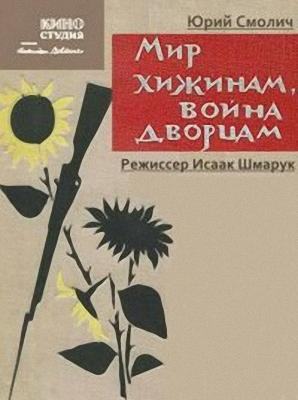
The cinematic landscape of early Soviet Russia was a fertile ground for narratives that resonated with the revolutionary fervor of the era. Among these, Mir khizhinam, voyna dvortsam, or “Peace to Huts, War to Palaces,” stands as a monumental testament to the artistic and ideological currents that shaped a nascent nat...
Comparing the cinematic DNA and archive impact of two defining moments in cult history.
M. Bonch-Tomashevsky
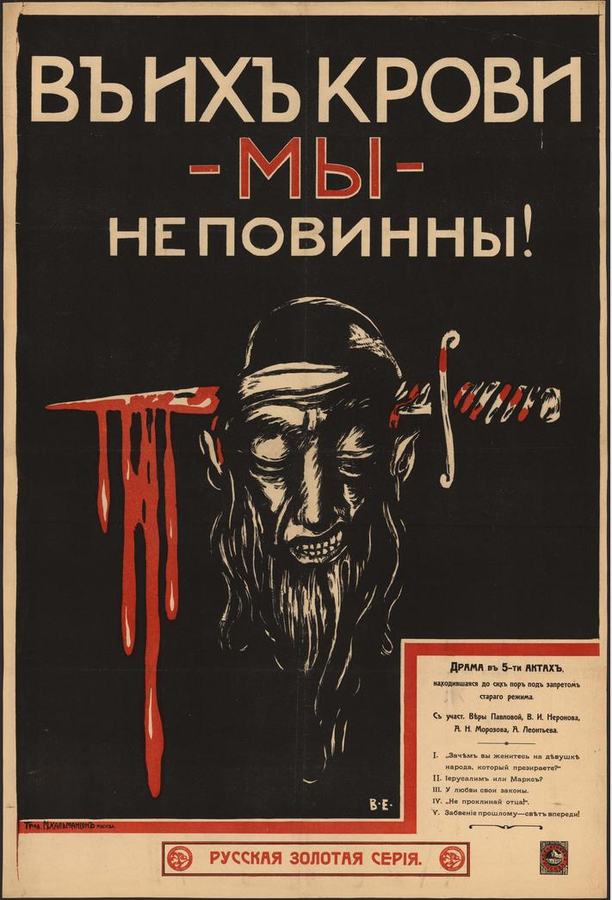
M. Bonch-Tomashevsky
Community
Log in to comment.
" The cinematic landscape of early Soviet Russia was a fertile ground for narratives that resonated with the revolutionary fervor of the era. Among these, Mir khizhinam, voyna dvortsam, or “Peace to Huts, War to Palaces,” stands as a monumental testament to the artistic and ideological currents that shaped a nascent nation’s self-perception. This isn’t merely a film; it’s a visceral chronicle, an impassioned polemic, and a stark historical document all rolled into one. Directed with an uncompromi..."
Deep dive into the cult classic
Discover similar cinematic experiences
A Directorial Spotlight on M. Bonch-Tomashevsky