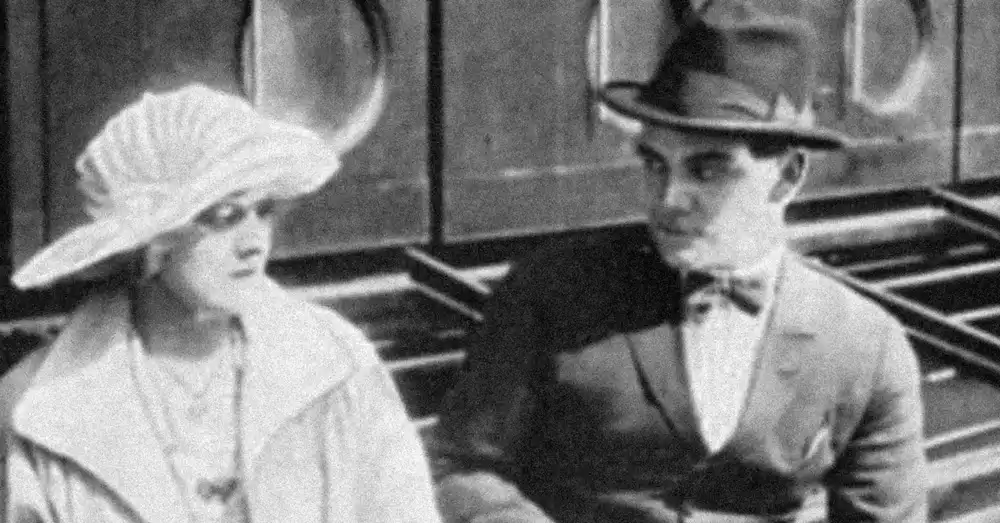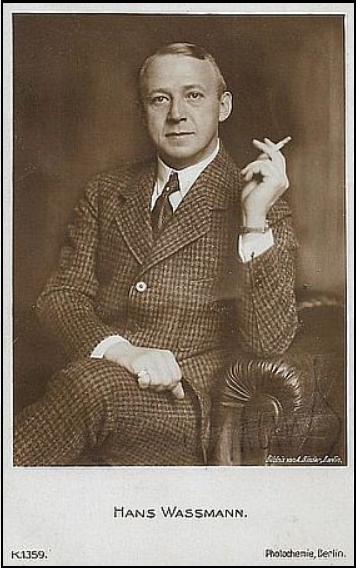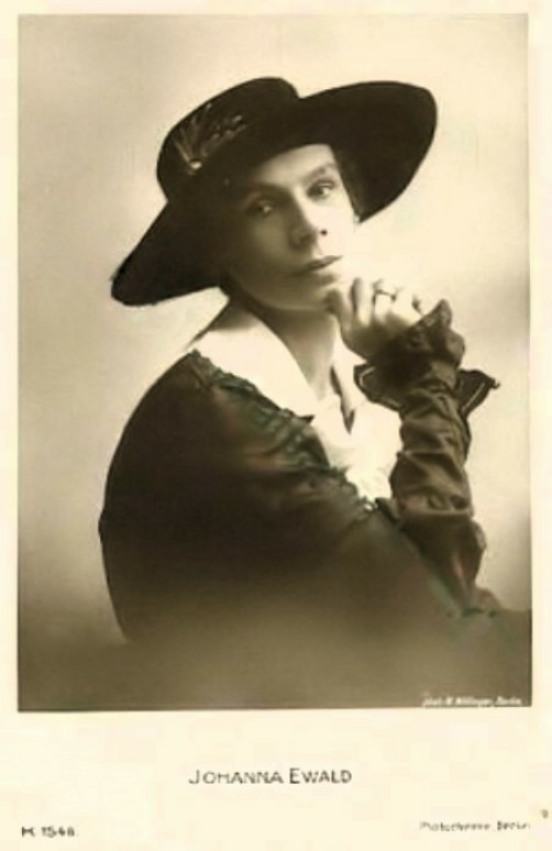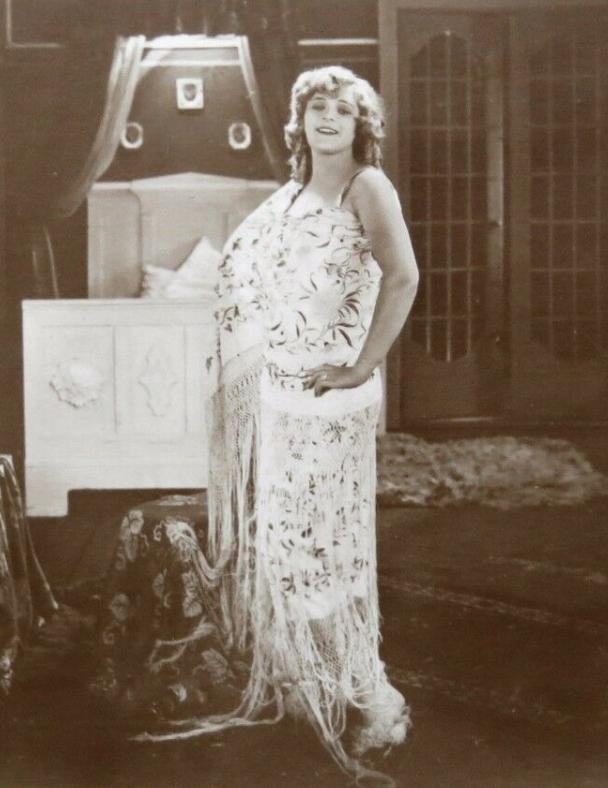
Maud Goodin is the daughter of a millionaire, content with her present life, but she is an interesting conquest for those wants to get on the social ladder..
*Miss Venus* (1932) is a cinematic jewel that sparkles with the contradictions of its era—its glittering surface reflecting the anxieties of a society on the brink of upheaval. Directed with a deft hand by an ensemble of German Expressionist veterans, the film positions its protagonist, Maud Goodin (played with magneti...
still_frame
Comparing the cinematic DNA and archive impact of two defining moments in cult history.
Ludwig Czerny
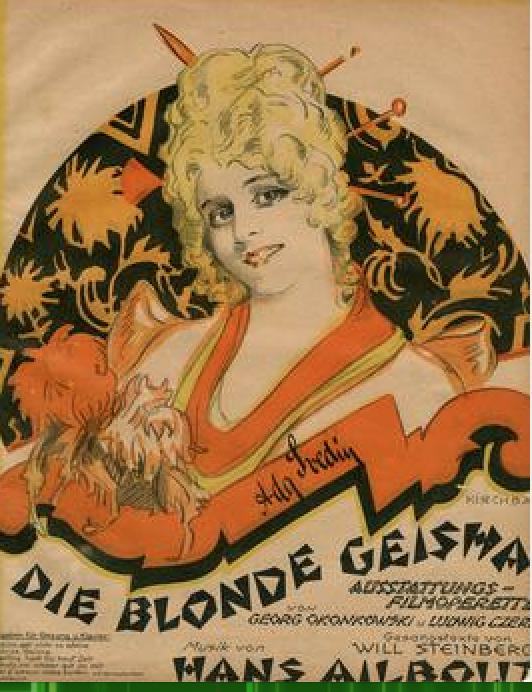
Ludwig Czerny
Community
Log in to comment.
"*Miss Venus* (1932) is a cinematic jewel that sparkles with the contradictions of its era—its glittering surface reflecting the anxieties of a society on the brink of upheaval. Directed with a deft hand by an ensemble of German Expressionist veterans, the film positions its protagonist, Maud Goodin (played with magnetic nuance by Johanna Ewald), at the intersection of privilege and peril. Here, wealth is both a gilded cage and a ladder to be climbed, and every character orbits Maud like a comet ..."
Willy Godlewski
Georg Okonkowski, Ludwig Czerny
Germany

1927 · IMDb 5