DbcultAccessing Vault...
5.8/10
Senior Film Conservator
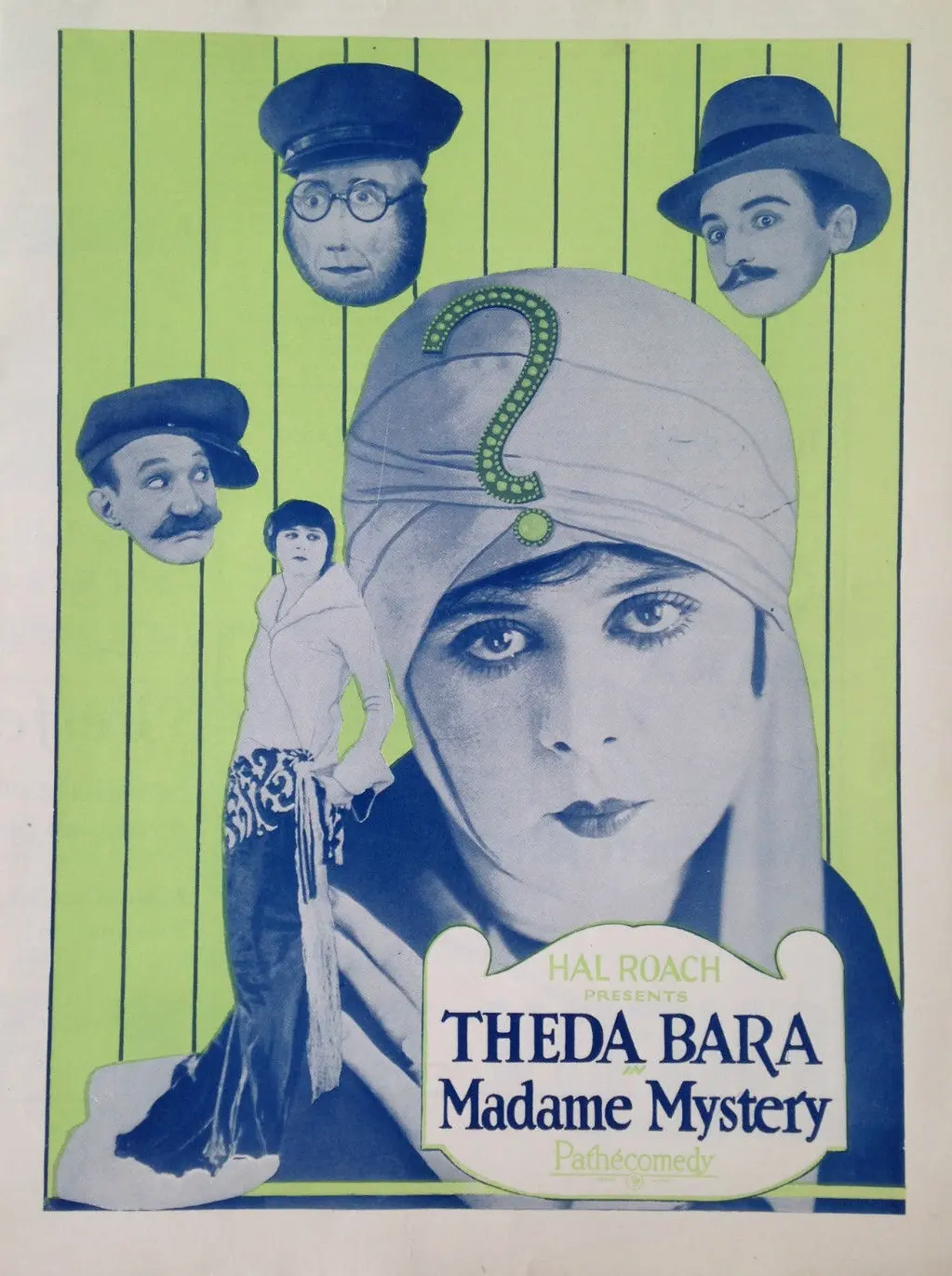
A definitive 5.8/10 rating for a film that redefined the boundaries of cult cinema. Madame Mystery remains a cornerstone of transgressive art.
Is Madame Mystery a lost gem or a historical footnote? Short answer: It is a fascinating, if slightly disjointed, curiosity that serves as a bridge between two eras of filmmaking.
This film is for silent comedy enthusiasts and students of film history who want to see a legend reinvent herself. It is absolutely not for those who expect a serious espionage thriller or a return to the 'Vamp' persona that made Theda Bara a household name.
1) This film works because it successfully subverts the audience's expectations of its lead actress by placing her in a world of broad, physical comedy that feels fresh for her filmography.
2) This film fails because the tonal shift between the high-stakes setup and the punchline of the gas is so jarring that it undermines any genuine tension the first half attempts to build.
3) You should watch it if you are interested in seeing the early collaborative DNA of Stan Laurel and Oliver Hardy before they became the world's most famous comedy duo.
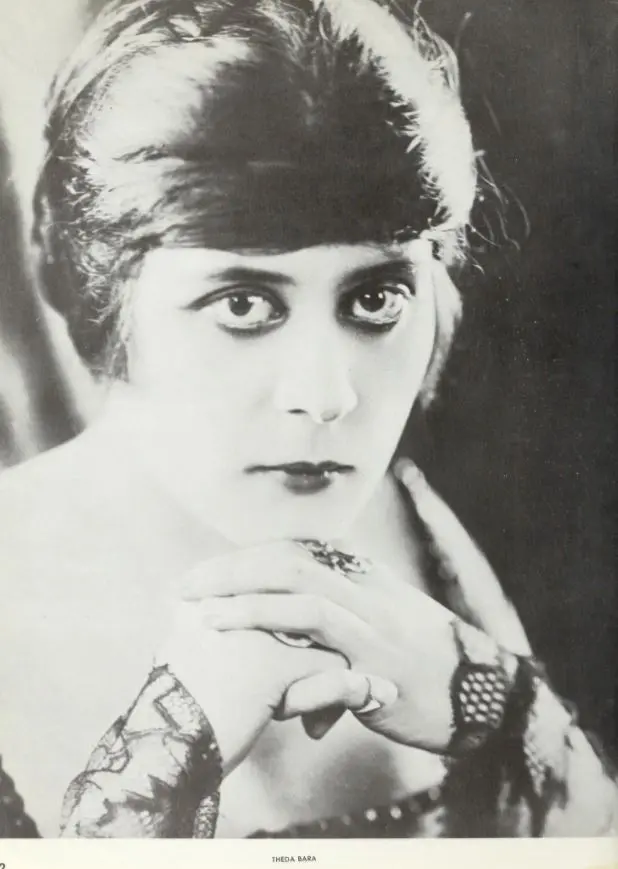
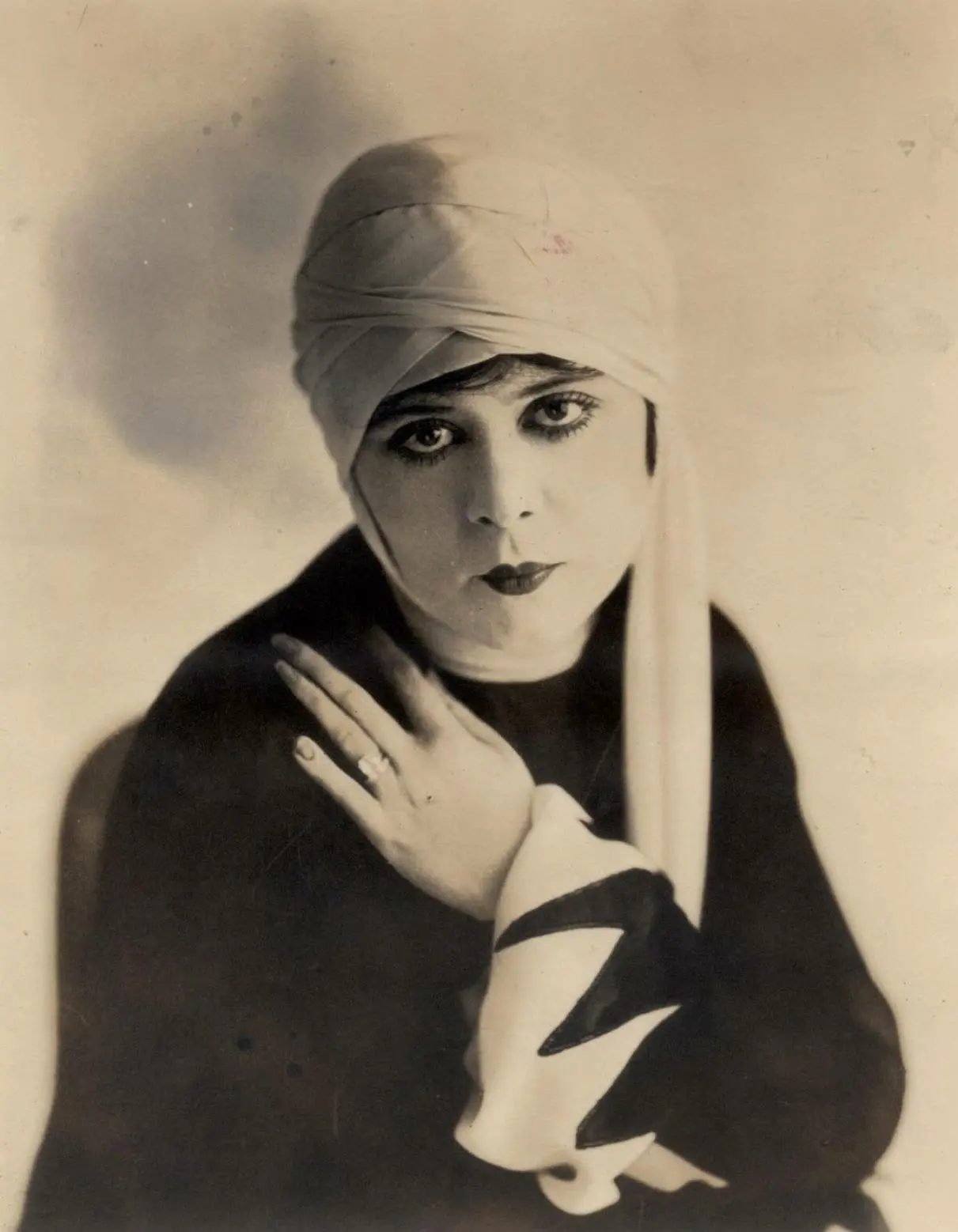
By 1926, the era of the cinematic 'Vamp'—the exotic, dangerous woman who destroyed men—was effectively over. Theda Bara, who had defined this archetype, found herself at a crossroads. Madame Mystery represents a bold, if somewhat desperate, attempt to pivot toward the slapstick style popularized by Hal Roach.
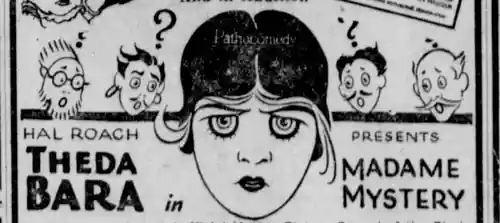
Bara plays the secret agent with a level of theatricality that feels slightly out of place next to the manic energy of James Finlayson. However, this friction is exactly what makes the film interesting. There is a specific scene where Bara attempts to use her 'vamping' techniques to distract her pursuers, only for the film to treat it as a joke.
This self-awareness is rare for the period. It suggests that Bara was in on the joke, even if the transition from films like Frou Frou to this kind of broad farce was a difficult pill to swallow. She isn't just a character; she is a legend being dismantled for laughs.
The writing credits for Madame Mystery read like a 'who is who' of silent comedy. With Stan Laurel and Hal Roach involved, the gags are predictably fast-paced. The plot involving the explosive gas is merely a skeleton on which to hang various physical bits.
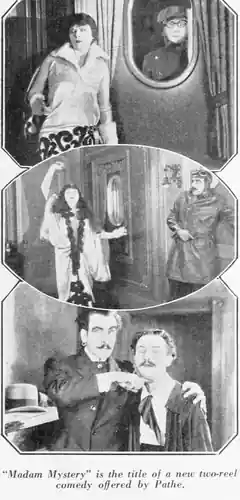
The two men trying to steal the gas, played by Fred Malatesta and the legendary James Finlayson, provide the bulk of the film's kinetic energy. Finlayson, known for his iconic double-takes, brings a level of frustration to the screen that contrasts beautifully with Bara's stoic demeanor.
Unlike the more grounded narratives found in The Mystery of No. 47, Madame Mystery leans heavily into the absurd. The pacing is relentless, a hallmark of the Roach studio, ensuring that if a gag doesn't land, another one is arriving in five seconds.
The direction by Richard Wallace and Stan Laurel is functional but effective. The cinematography doesn't strive for the artistic heights of contemporary German Expressionism, but it excels in framing the physical space needed for the chase sequences.
One standout moment involves a sequence in a cramped hallway where the characters must navigate around each other while keeping the canister hidden. The choreography here is precise. It shows the early brilliance of Laurel’s understanding of spatial comedy.
The lighting is bright and flat, typical of Roach comedies of the era, which prioritizes the visibility of the actors' expressions over mood. This is a stark contrast to the moody, shadow-heavy films Bara starred in earlier in her career. It works. But it’s flawed.
Madame Mystery is worth watching for anyone interested in the evolution of screen comedy and the career arc of silent film stars.
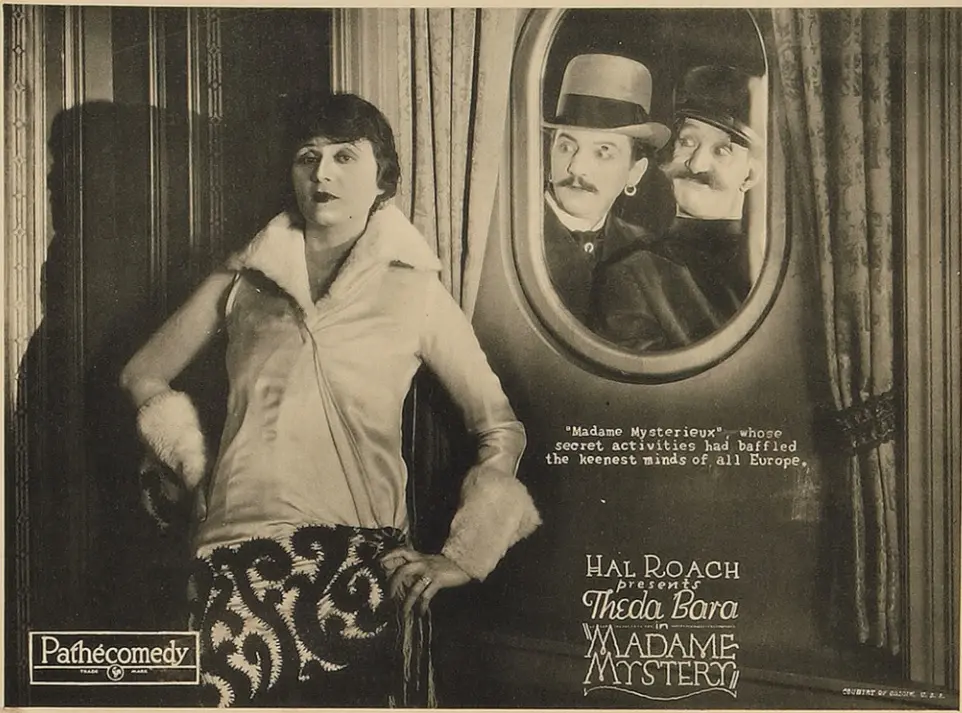
While it may not be a masterpiece of storytelling, the film offers a unique look at how studios attempted to modernize old-school stars for a new audience. The presence of Oliver Hardy in a supporting role adds an extra layer of historical value for fans of the Laurel and Hardy partnership.
It is impossible to discuss this film without mentioning the presence of Oliver Hardy and the writing of Stan Laurel. While they are not yet 'Laurel and Hardy' here, their influence is palpable. Hardy’s performance is solid, showing the refined physical timing that would later make him a superstar.
The film shares a similar comedic DNA with Mighty Like a Moose, another Roach production that plays with identity and domestic chaos. However, Madame Mystery adds the layer of international intrigue, even if it treats that intrigue with total irreverence.
The 'explosive gas' MacGuffin is a classic trope. By the time we reach the climax, the audience realizes the film was never about the gas. It was about the process of the chase. It was about the absurdity of the situation.
Pros:
- Excellent physical comedy from James Finlayson.
- A rare opportunity to see Theda Bara in a comedic role.
- Fast pacing that prevents the film from ever becoming boring.
- Significant historical value regarding the development of the Roach studio style.
Cons:
- The plot is paper-thin and serves only as a vehicle for gags.
- The ending feels rushed and somewhat predictable for the genre.
- The tonal shift from the beginning to the end might alienate some viewers.
Madame Mystery is a fascinating artifact. It is a film that captures a moment of total industry transition. It shows a legendary actress trying to find her footing in a world that had moved past her, and a comedic team that was just beginning to find its voice.
It is not a 'great' film in the traditional sense, but it is an essential watch for those who care about the roots of cinematic comedy. Theda Bara’s departure from the screen was not a bang, but a comedic whimper, and there is something strangely poetic about that. It’s a messy, loud, and occasionally brilliant piece of history.
IMDb —
1919
Community
Log in to comment.