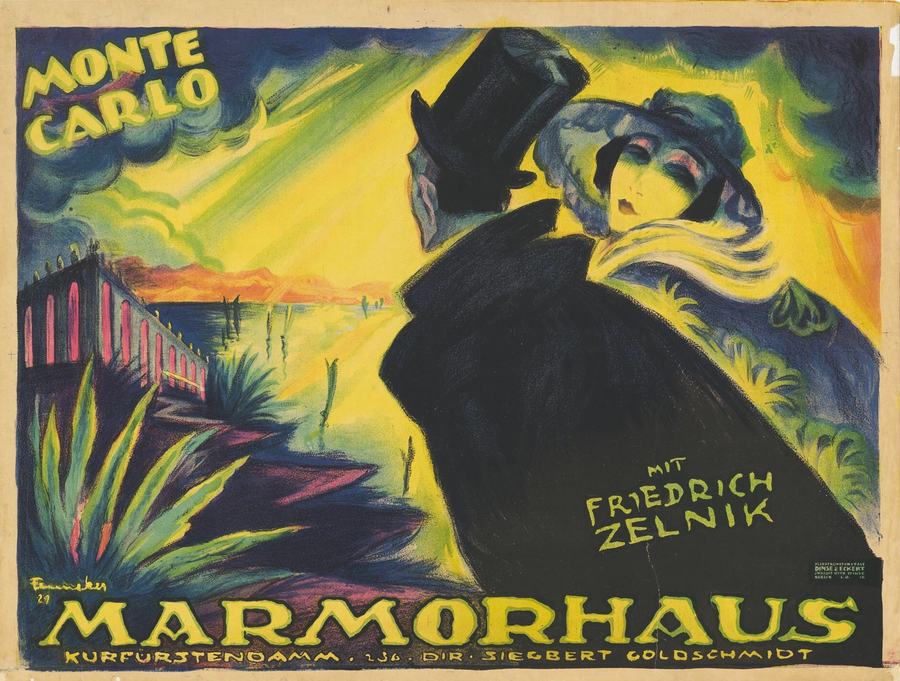
The year 1921 stood as a pivotal juncture for the nascent German film industry, a time when the shadows of expressionism began to meld with a burgeoning interest in high-society melodrama. At the center of this aesthetic evolution was Fred Zelnik, a filmmaker whose prolific output often masked a profound sensitivity ...
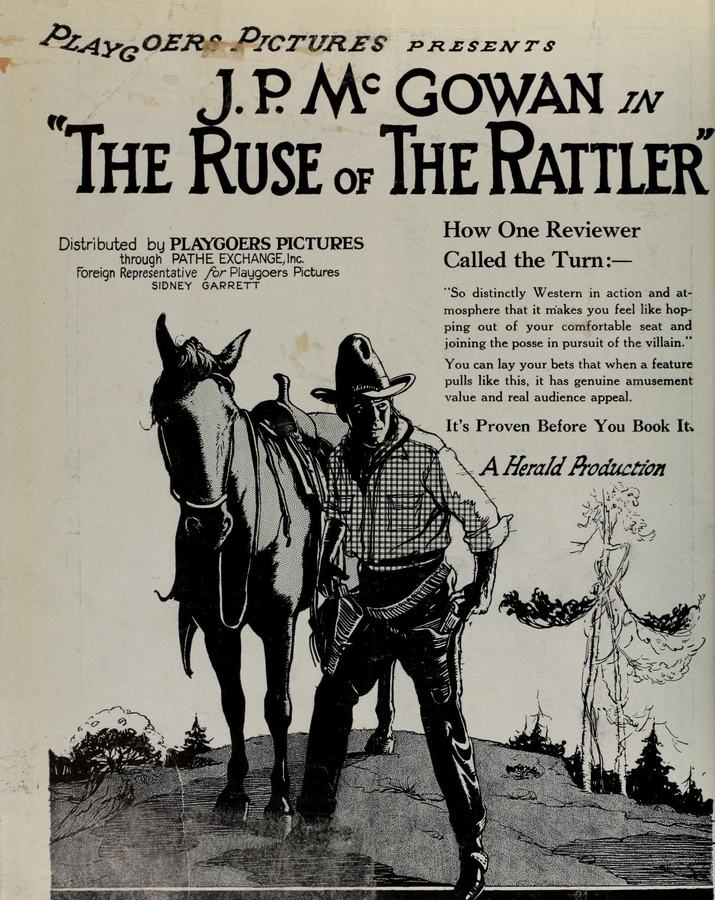
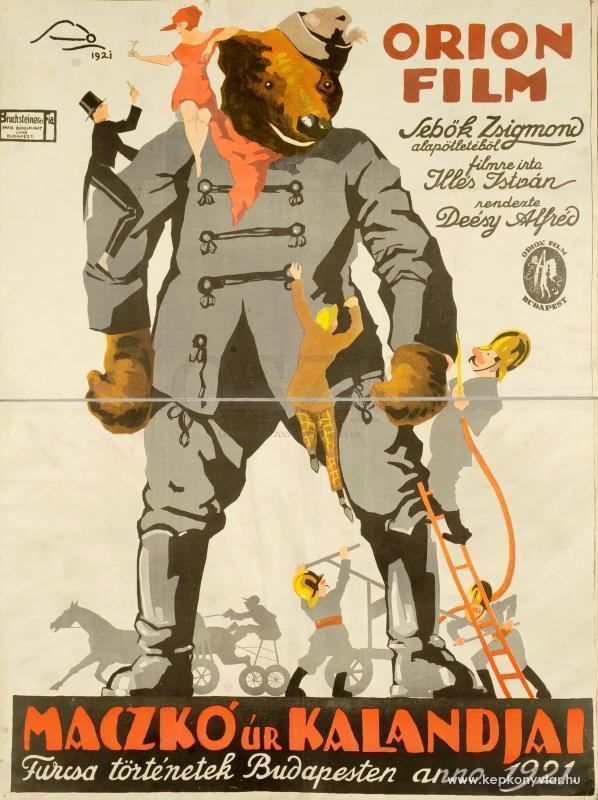
Comparing the cinematic DNA and archive impact of two defining moments in cult history.
Fred Sauer
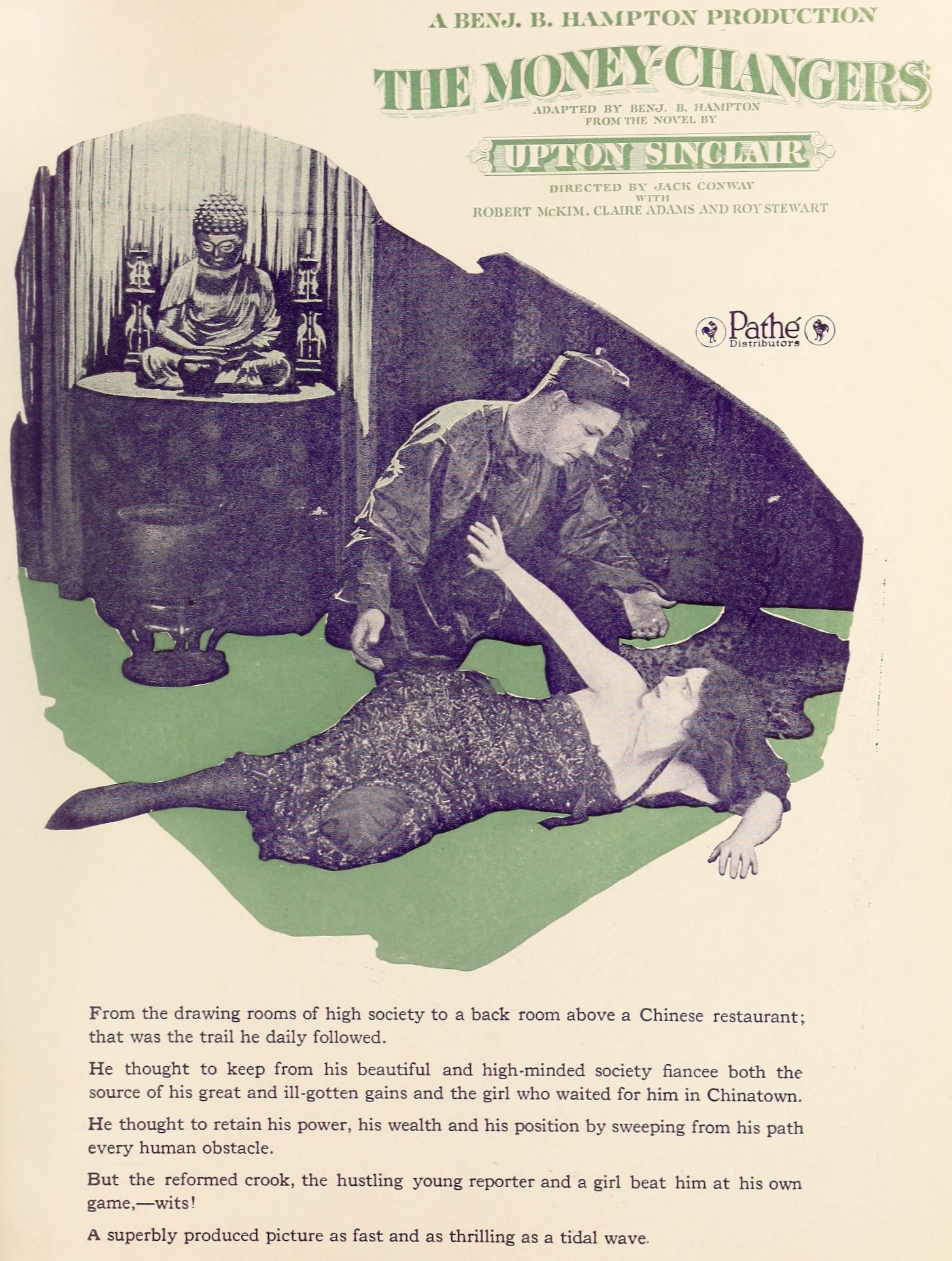
Jack Conway
Community
Log in to comment.
" The year 1921 stood as a pivotal juncture for the nascent German film industry, a time when the shadows of expressionism began to meld with a burgeoning interest in high-society melodrama. At the center of this aesthetic evolution was Fred Zelnik, a filmmaker whose prolific output often masked a profound sensitivity to the shifting social mores of his time. His production of Monte Carlo is not merely a film; it is a celluloid excavation of the human psyche under the duress of chance. While man..."
Fanny Carlsen
Germany