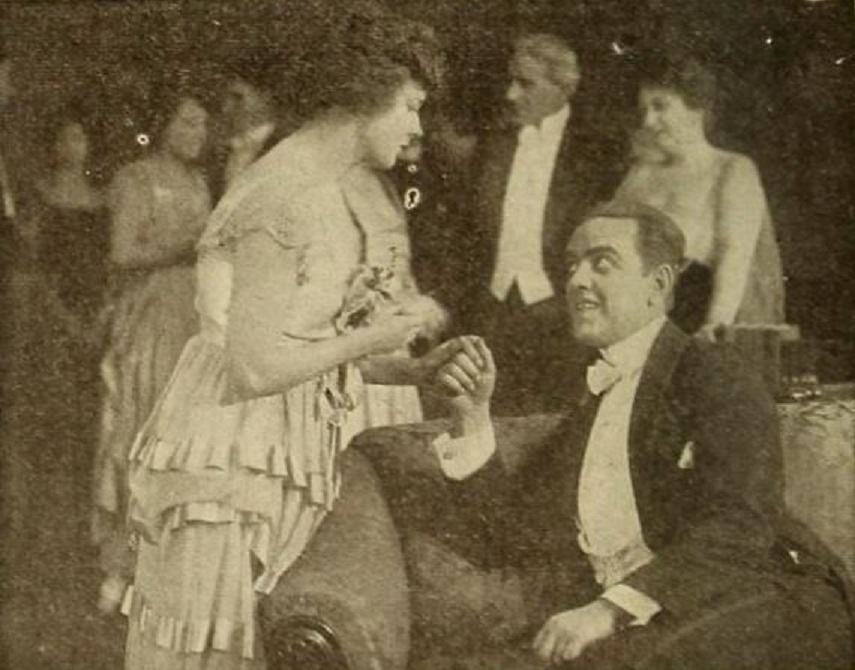
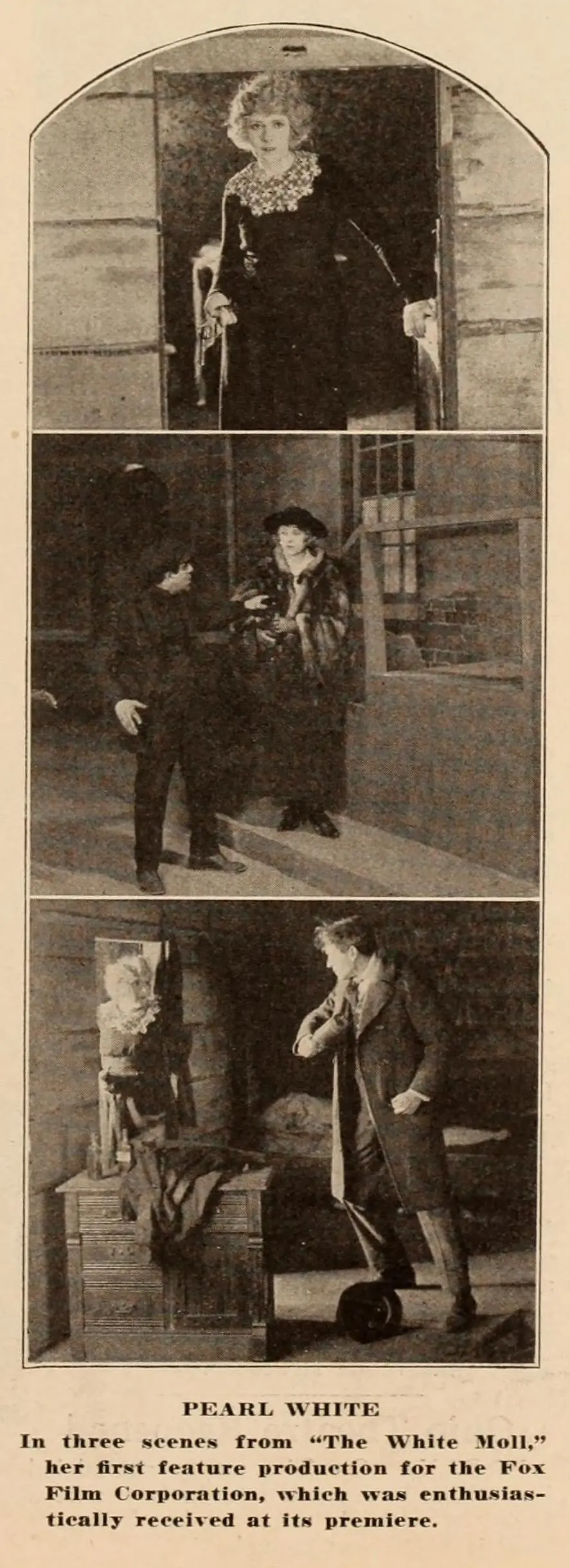
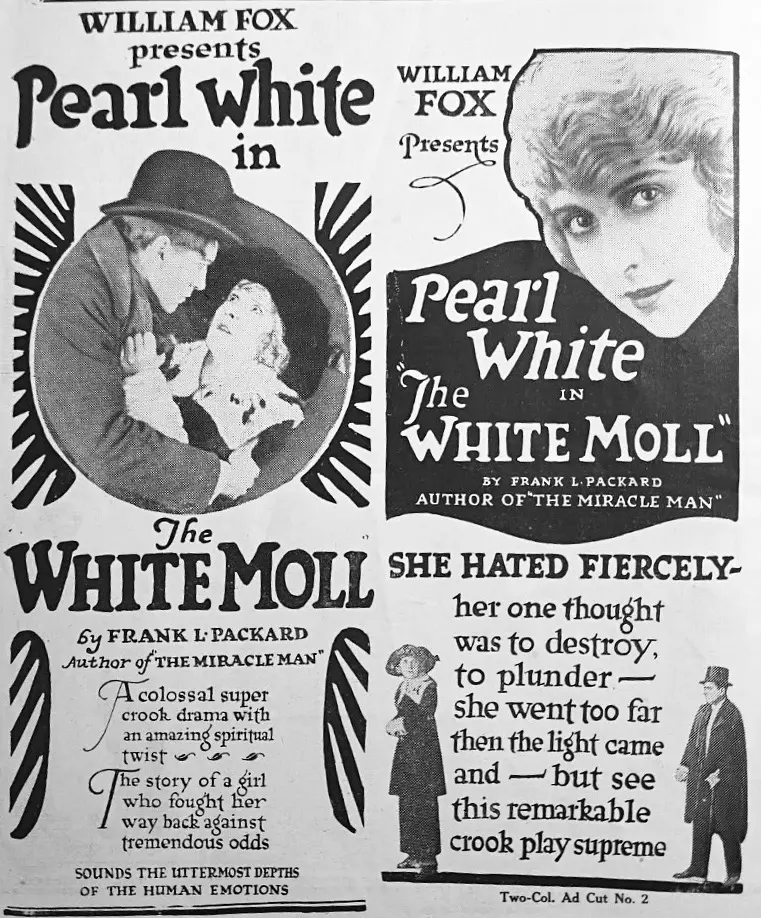
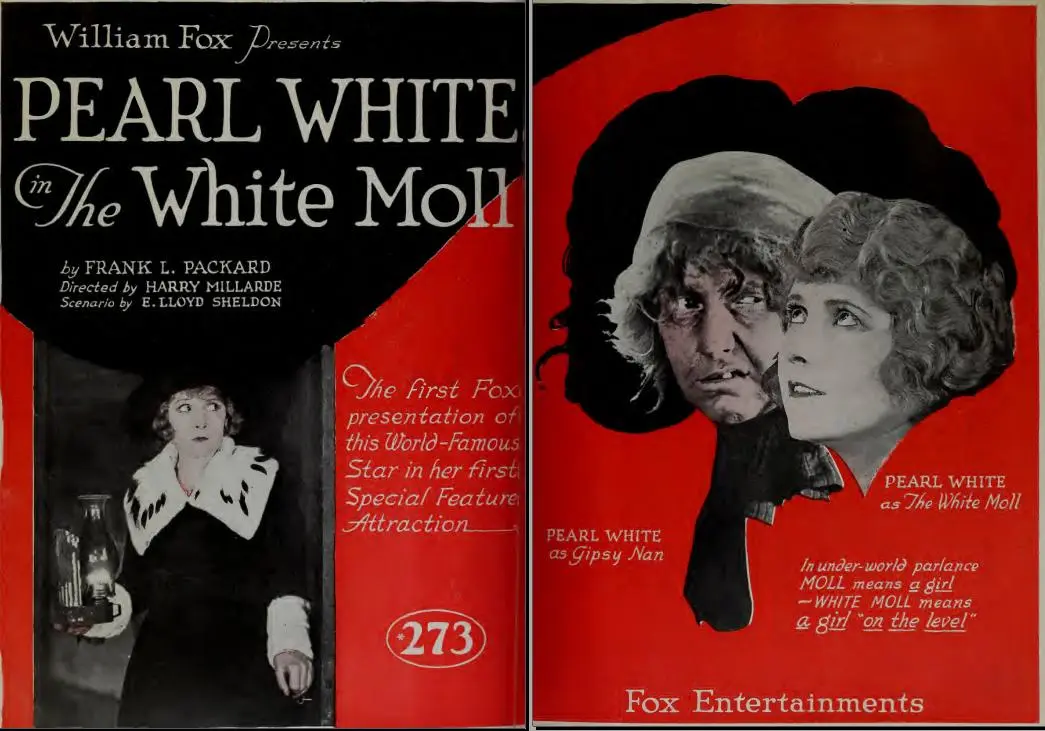
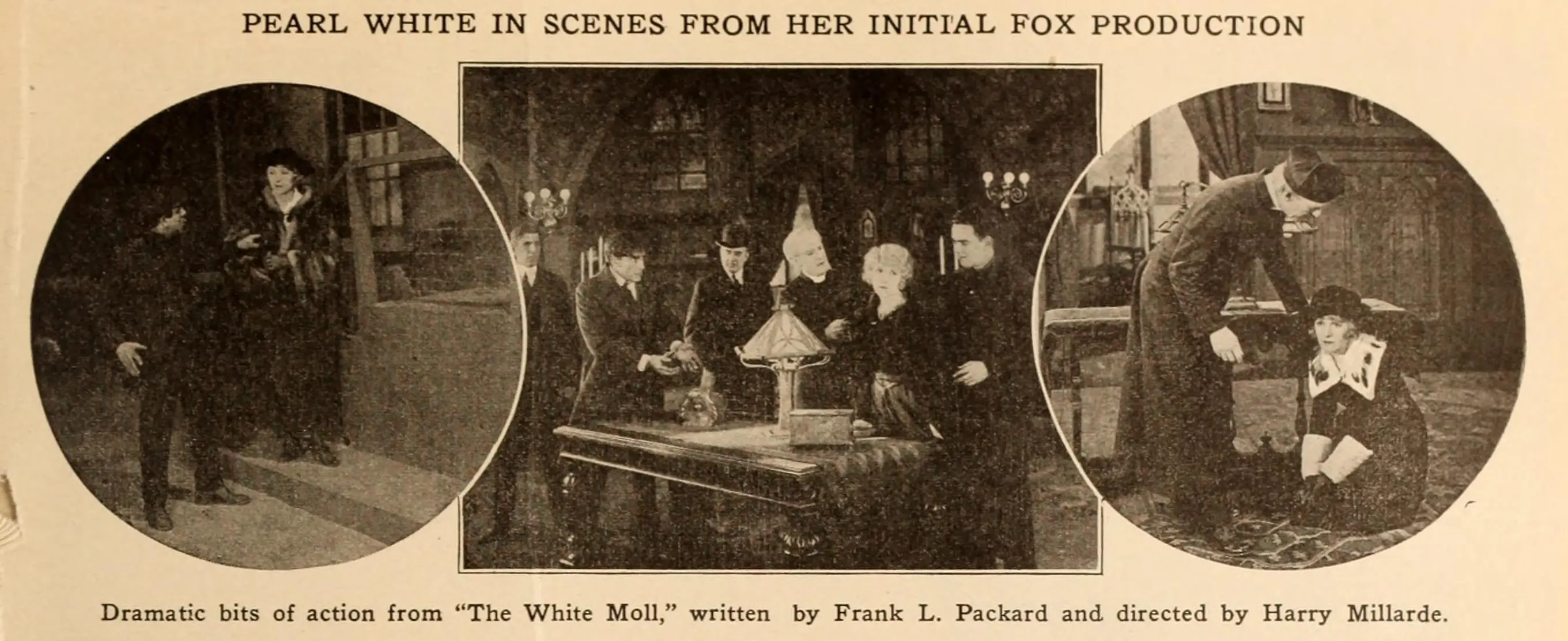
Desperate because a wealthy man has reduced her father to thievery, Rhoda agrees to rob the poor box of the church, although she finds the act abhorrent. During the robbery, Rhoda's father is shot and dies in the priests's arms, seeking absolution, while the man who ruined him looks on.
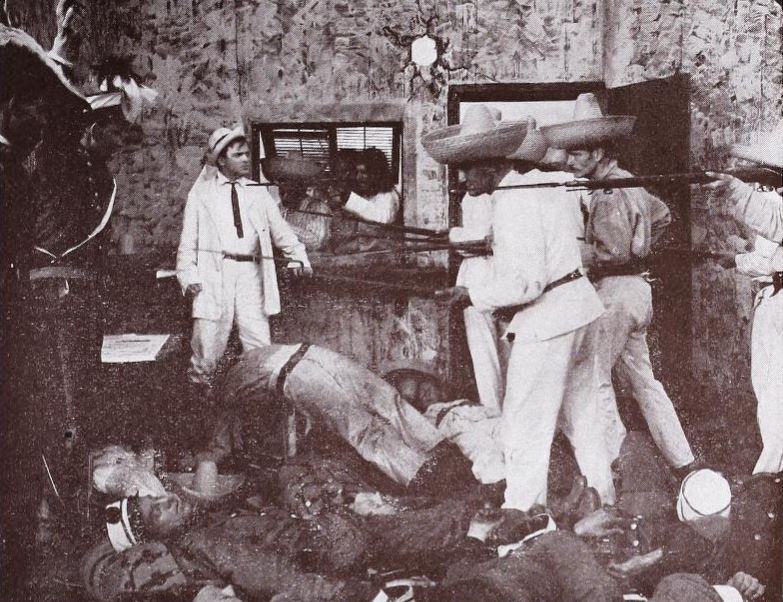
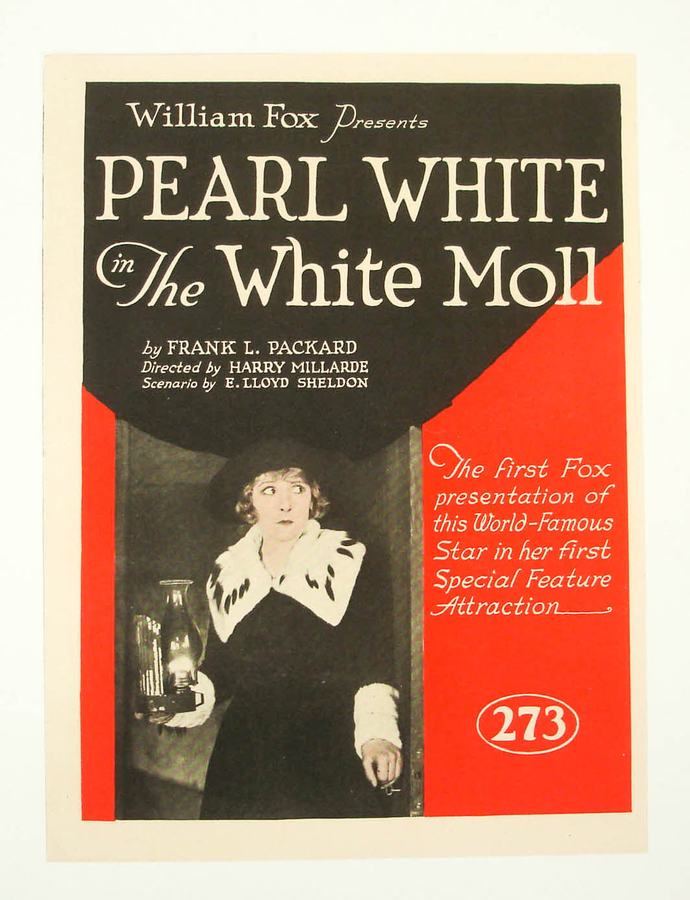
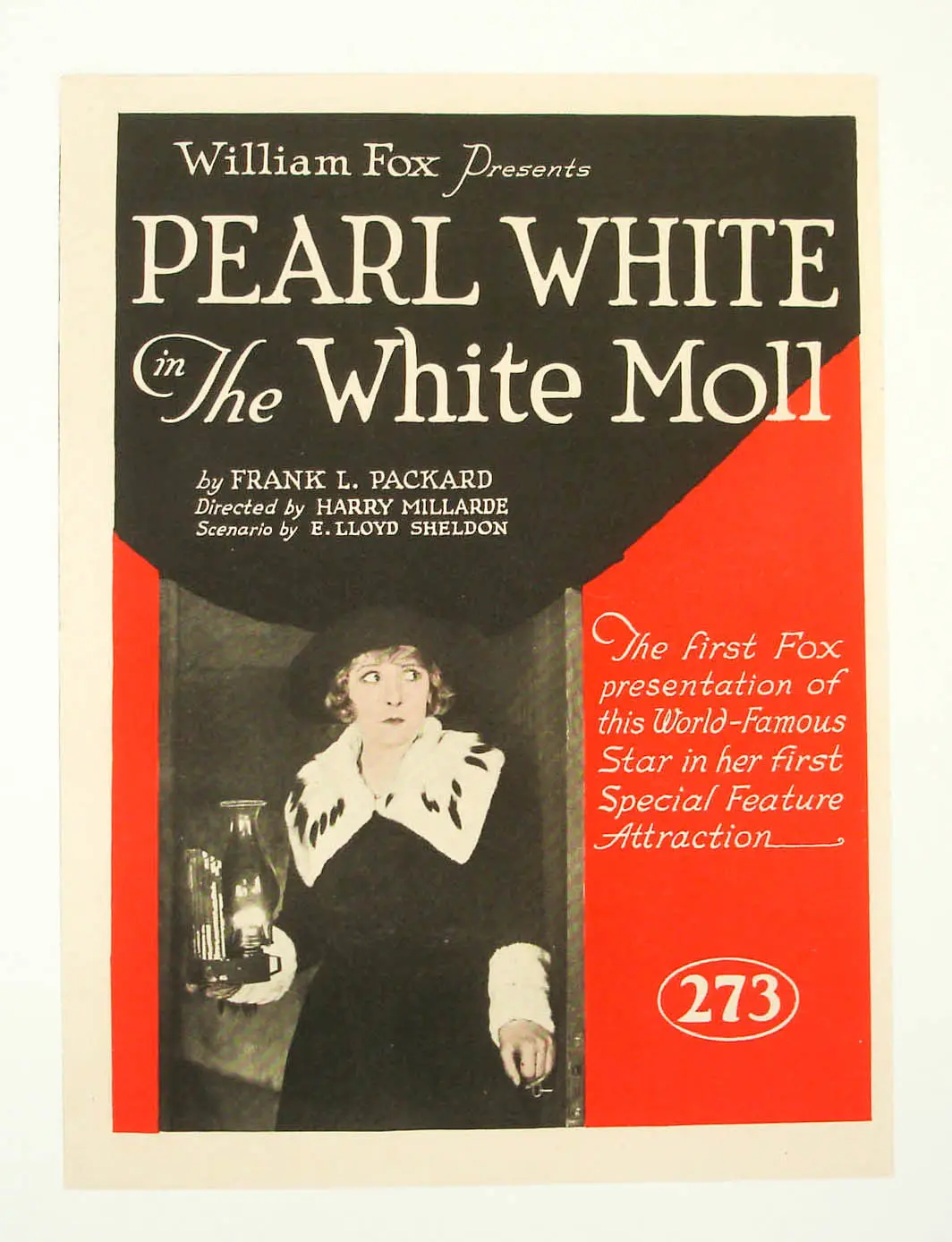
Pearl White—queen of the perils, duchess of the cliffhanger—steps off the runaway locomotive and into the confessional booth with The White Moll, a 1920 twelve-chapter whirlwind that trades locomotive tracks for the narrower rails of the human conscience. The film, long buried in mislabeled cans and misfiled under “m...
publicity
publicity
publicity
publicity
production_art
publicity
Comparing the cinematic DNA and archive impact of two defining moments in cult history.
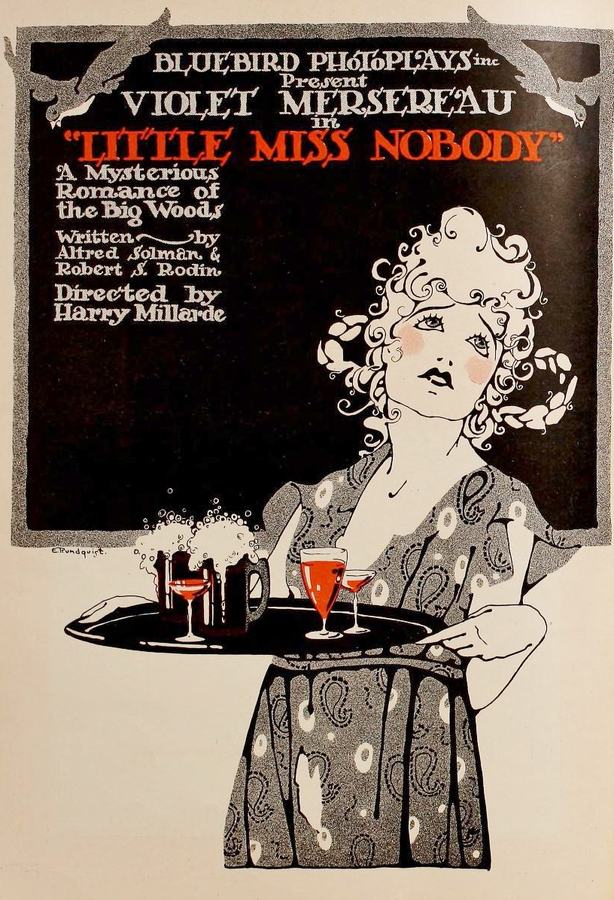
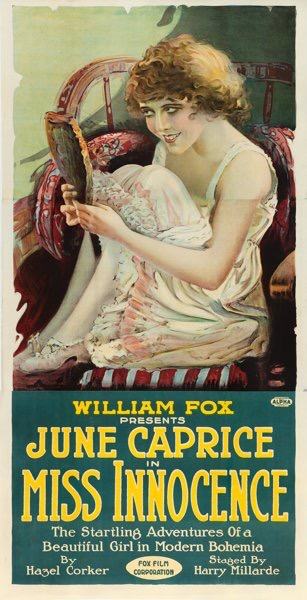
Harry F. Millarde
Harry F. Millarde
Community
Log in to comment.
" Pearl White—queen of the perils, duchess of the cliffhanger—steps off the runaway locomotive and into the confessional booth with The White Moll, a 1920 twelve-chapter whirlwind that trades locomotive tracks for the narrower rails of the human conscience. The film, long buried in mislabeled cans and misfiled under “miscellaneous melodrama,” is less a holy relic than a cracked stained-glass window: light still filters through, but the fractures refract guilt into colors you didn’t know existed...."
E. Lloyd Sheldon, Frank L. Packard
United States
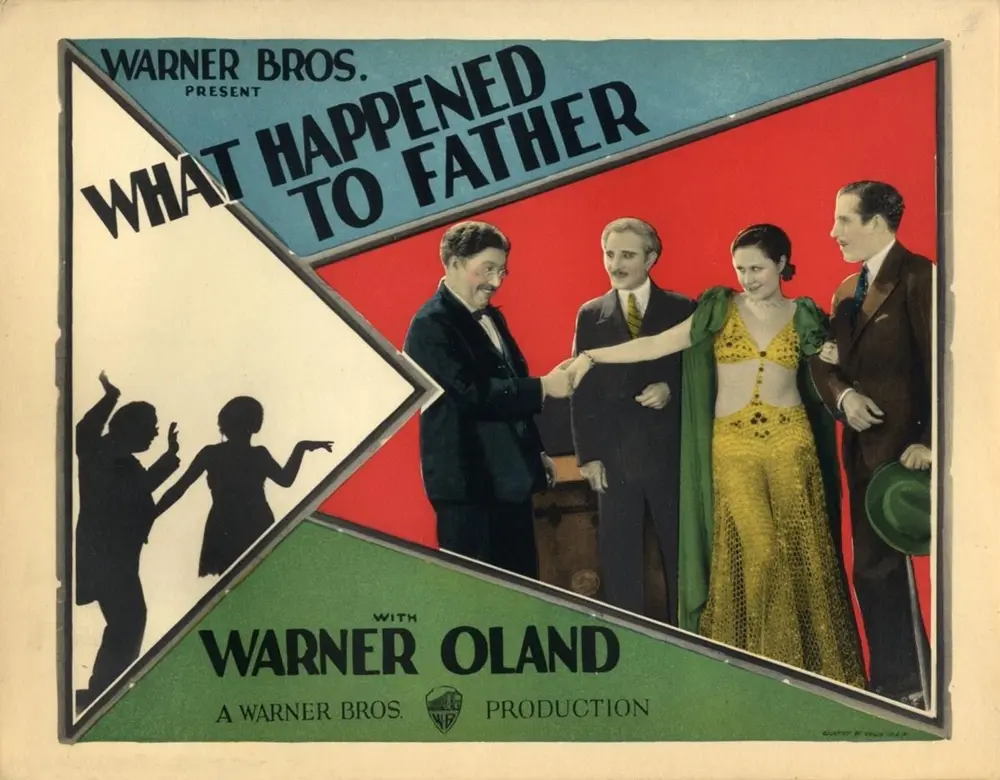
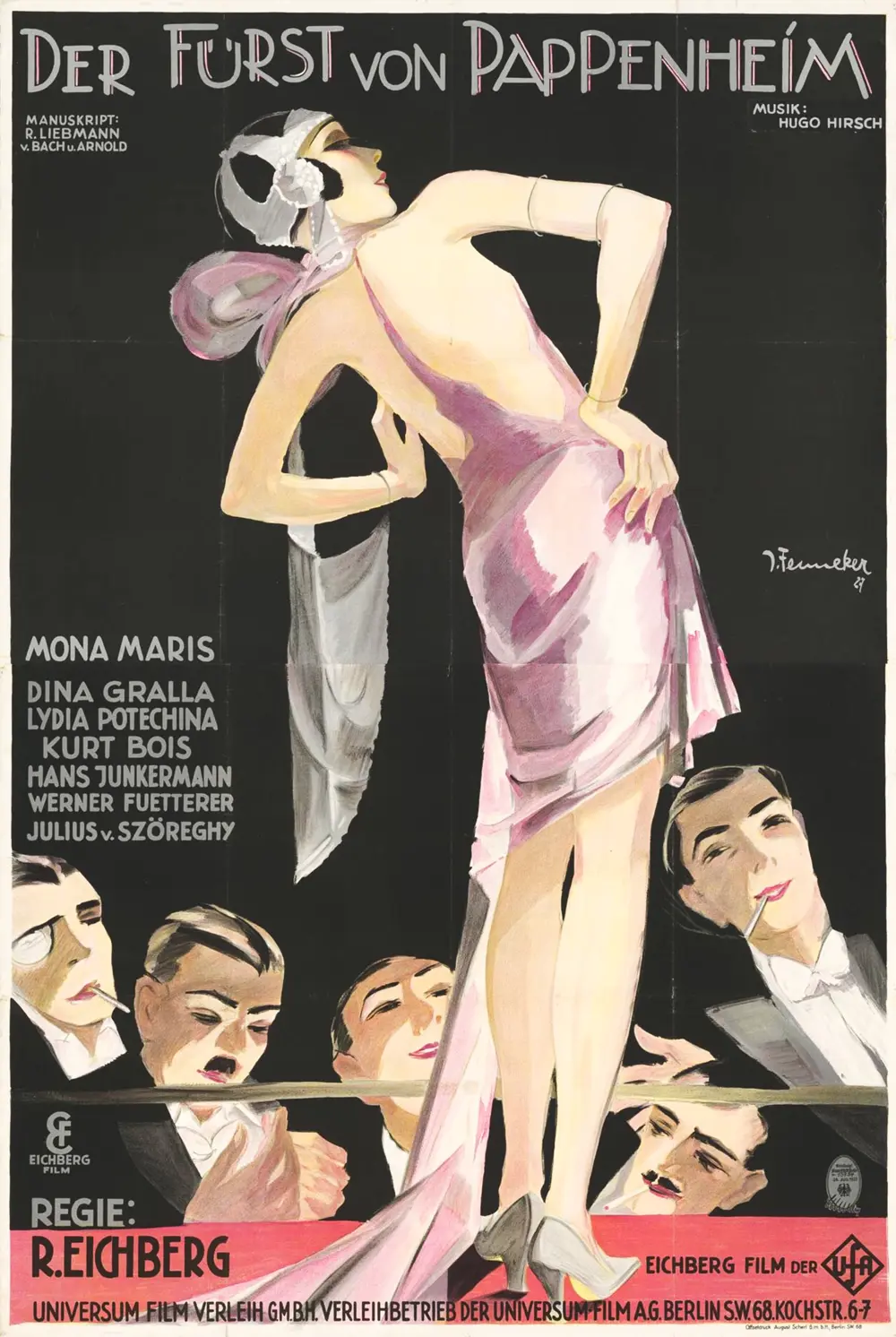
Deep dive into the cult classic
Discover similar cinematic experiences
A Directorial Spotlight on Harry F. Millarde