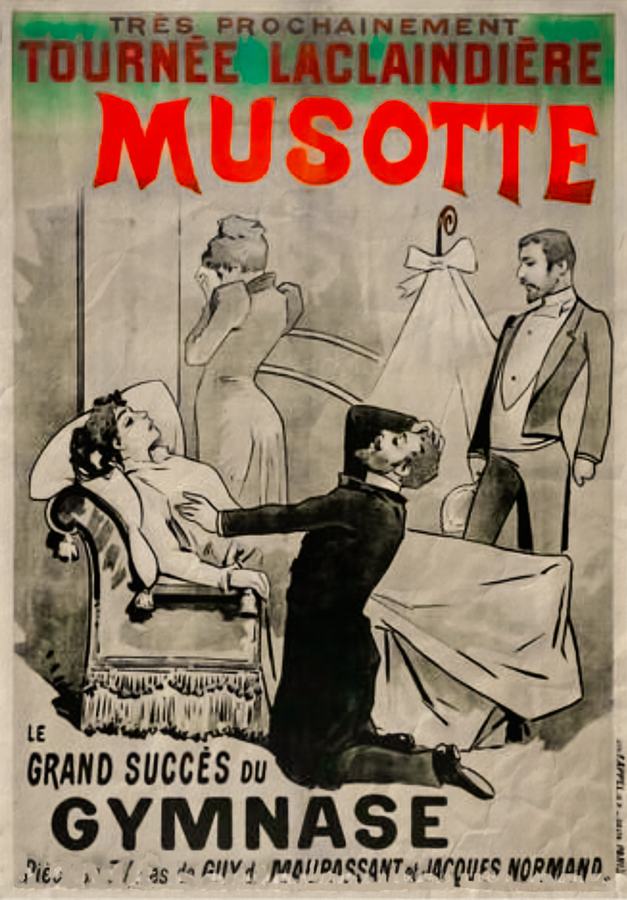
If you have ever wondered how venom can taste like Champagne, let Musotte pour you a glass and watch the bubbles rise like tiny guillotines. Silent cinema is littered with society melodramas that now feel embalmed in their own lacework, yet Musotte—shot in the blistering summer of 1921 on the outskirts of Turin—still ...
Comparing the cinematic DNA and archive impact of two defining moments in cult history.
Mario Corsi
Mario Corsi
Community
Log in to comment.
" If you have ever wondered how venom can taste like Champagne, let Musotte pour you a glass and watch the bubbles rise like tiny guillotines. Silent cinema is littered with society melodramas that now feel embalmed in their own lacework, yet Musotte—shot in the blistering summer of 1921 on the outskirts of Turin—still exhales a toxic fizz. The negative was lost for decades inside a mis-labelled canister marked “Operetta Outtakes,” and when archivists finally unwound it they discovered a film tha..."
Bruno Emanuel Palmi
Guy de Maupassant
Italy
1918 · IMDb 6
Mario Corsi